
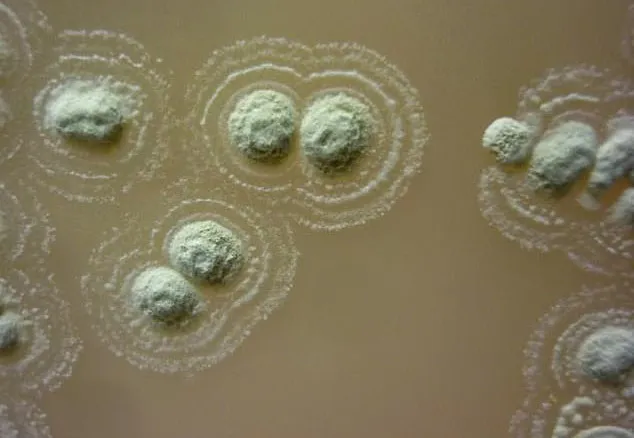
Microorganisms 50 million years old could make battery recycling cleaner and more sustainable. The British startup Cell Cycle, part of the SER Group, is developing an innovative process – called LithiumCycle – which uses prehistoric bacteria to recover critical metals such as lithium, cobalt and nickel, essential for modern batteries.
These microorganisms, which have taken part naturally in the formation of metals for millennia, are now applied in a component-separation process that requires little energy and produces low emissions. The idea is not new: bacteria have already been used in mining and in recovering metals from electronic waste. What is new is adapting them to battery recycling, for which demand is growing with the energy transition.
Max Nagle, who runs the company, stresses the logic behind the solution: “bacteria have been around much longer than we have, they shaped the planet’s landscapes and metals – why not use them on a modern problem created by Man?”
The process involves a bioreactor tank where the metals are separated. Scaling up is simple: just increase the size of the tank. In addition, the bacteria live at 37°C, human body temperature, which reduces energy needs. They are regenerative, feed on CO₂ and return oxygen to the system, making the process not just neutral but carbon-negative.
With backing from Innovate UK and Coventry University, Cell Cycle is preparing to open a second laboratory in Manchester, with plans to launch a commercial service in 2026. It also intends to deploy the technology at a British battery refining and recycling facility, which currently does not exist in the country.
In an increasingly electrified world, attentive to the environmental impact of mineral extraction, LithiumCycle proposes an elegant solution, inspired by Nature itself, to close the battery loop with intelligence and responsibility.


