
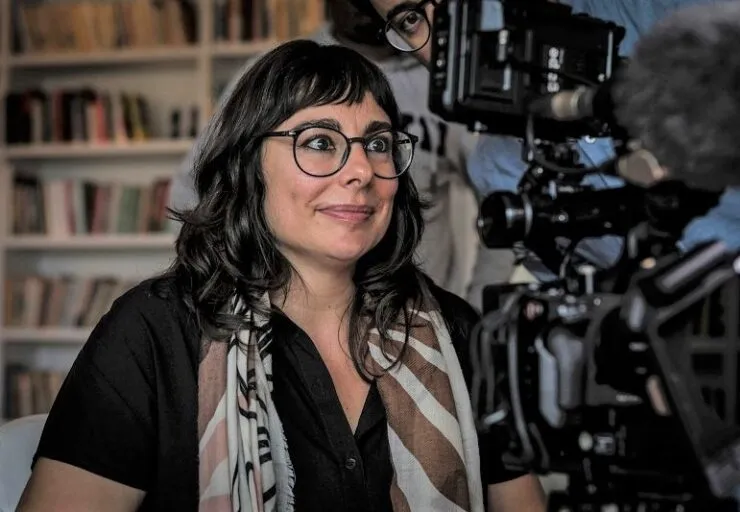
Vanessa Rodrigues, a well-known documentary maker and university lecturer in Portugal, embarked on a journey along Mozambique's roads in July. Her purpose was to gather accounts and bring hidden voices to the surface through a critical analysis of the shared history of Portugal and Mozambique, as she revealed in an interview with the Coimbra weekly "Campeão das províncias".
The documentary entitled "Feitiço de Areia" was born of the cultural heritage related to the Portuguese soldiers who fought in countries such as Angola, Mozambique and Guinea-Bissau. Vanessa inherited part of this history from her uncle and godfather Joaquim Sequeira Ferreira, who served in Cabo Delgado between 1970 and 1972.
With funding from the Institute of Cinema and Audiovisual and the support of Camões - Institute for Cooperation and Language, the filming, done by a Portuguese-Mozambican team, began on 11 July. The journey took them thousands of kilometres by land, river and sea, passing through Nampula, Ilha de Moçambique and Pemba, before reaching Maputo.
The documentary explores intergenerational testimonies on knowledge of the liberation struggle, the colonial war and contemporary activism. In seeking to understand what the war meant to Portuguese soldiers, Rodrigues also reflects on the significance of the war crimes and the oppression Portugal exerted.
The images, aerogrammes and records of the period help to form a narrative that the filmmaker believes still exists in Portugal. Rodrigues seeks to understand the silences associated with these events, the quest that led her to Mozambique. Here she found stories of silence, fear and unfulfilled expectations.
By interviewing 23 people with stories to tell, the documentary maker gathered accounts from assimilados, from people forced to sing the Portuguese anthem at school even though they were Mozambican, and from others who are still afraid to speak.
Also focusing on Mozambique's social problems and the country's new forms of activism, Rodrigues hopes her work will function as a joint reflection with plural voices. With interviews in symbolic locations and addressing themes such as slavery and colonialism, the documentary always highlights a side of history that remains marked by silence.
With the support of Golpe Filmes, Sony Portugal and ColorFoto, the documentary is due for release in 2024, in Mozambique, when the 50th anniversary of the 25 April revolution in Portugal is celebrated.
Rodrigues hopes the film will serve as a starting point for reflection on Mozambique and Portugal, and that it may be a stimulus to trigger a conversation and dialogue that are essential for the future.


