
Humans who have understood the concept of "less is more" are securing their own future. Each of us has that responsibility. Certain items can be bought with a simple swipe of a card, but they can take thousands of years to decompose. If all consumers adopted that mindset, perhaps it could give our planet better conditions.
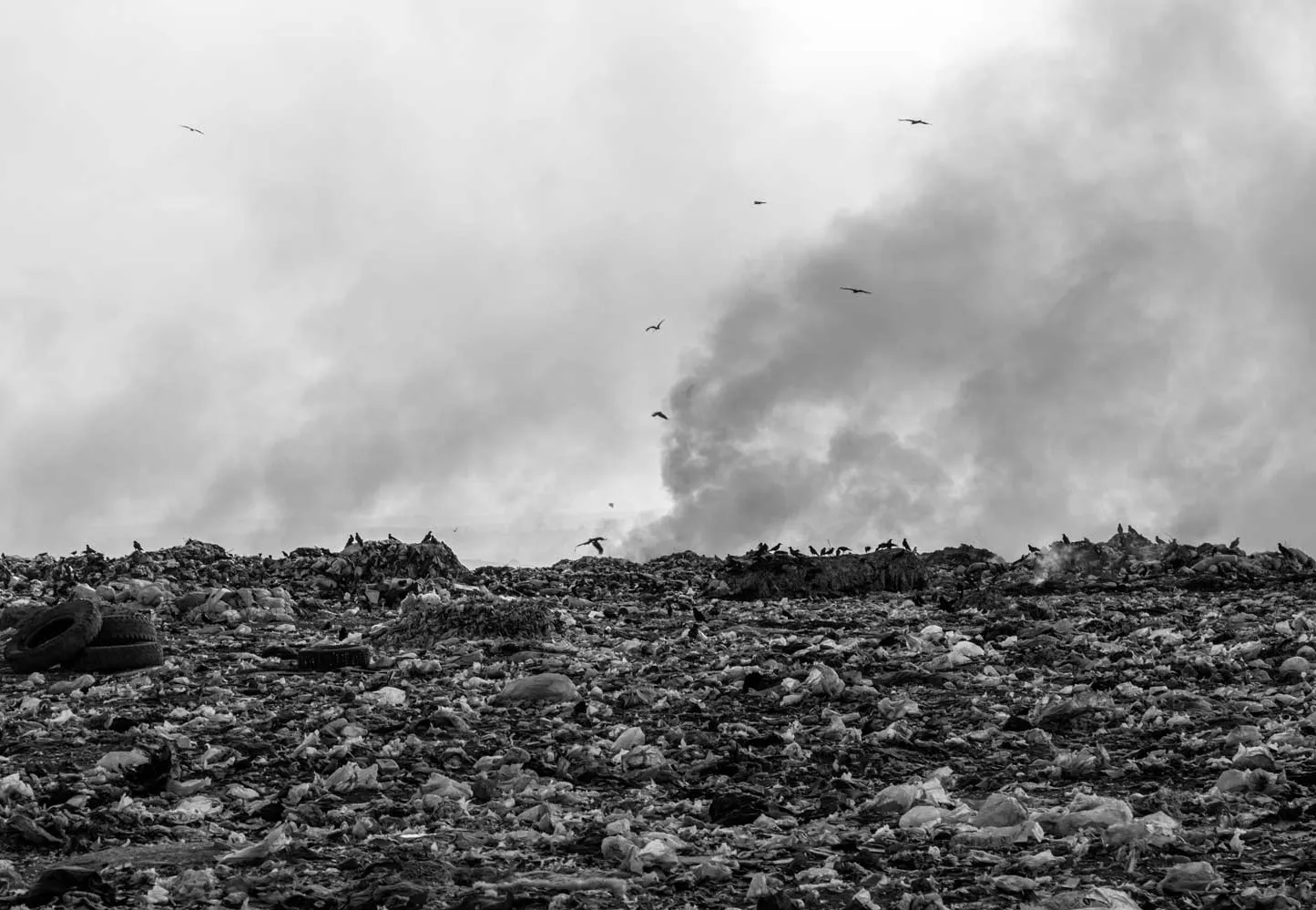
Most households throw all their waste into their bins to keep them clean, which helps keep homes hygienic. But does it keep our environment clean? That can only be established by tracing the path of the waste that is taken away when it leaves our homes. It depends on whether it will be burned, composted and recycled, or simply left lying around, on isolated land, taking up space and damaging the environment; in short, creating rubbish dumps.
We are the superheroes who can save the future that is approaching. Only we can prevent the extinction of humans
Rubbish dumps are major contributors to climate change. The more waste accumulates, the more greenhouse gases are released. Birds and animals, such as crows and cows, begin to feed on this waste, eventually increasing the chances of consuming hazardous materials. Rubbish dumps are also to blame for causing disease.
Some are located in shanty-town areas, which is very unsafe because the people who live in these areas become waste pickers. They invest their health for nothing because they are risking it for their survival, when in fact it is slowly killing them. They begin to develop symptoms of lung disease, for example. These conditions must be ended so that cases like that of the Hulene dump do not happen.
Rubbish dumps are full of waste such as items of clothing, plastic materials, nappies and napkins, food and much more. This improper disposal of waste can be minimised, and gradually ended, by disposing of it correctly.
Let us all consume less. Reduce, reuse and recycle is something taught to almost all children, but the implementation of these practices can still be improved.
Mass consumption can be reduced, reused and recycled in a number of ways. Here are some that involve changes to how we consume food:
Reduce food waste. What is not eaten can be donated or given to people in need. Families are strongly encouraged to plan their meals.
Buy in bulk. Buying things in bulk means less packaging, and therefore less waste.
Avoid buying food wrapped in plastic, especially single-use plastic. Most supermarkets have food wrapped in plastic, so it would be beneficial to switch to local options.
Switch to reusable cutlery – say no to single use.
Buy recycled products.
Compost food waste.
These are certainly not the only ways to put an end to mass consumption. They are just a few examples, but there is much more that each family can adopt. Only together can we bring about change. We are the superheroes who can save the future that is approaching. Only we can prevent the extinction of humans. We are the only ones.


