
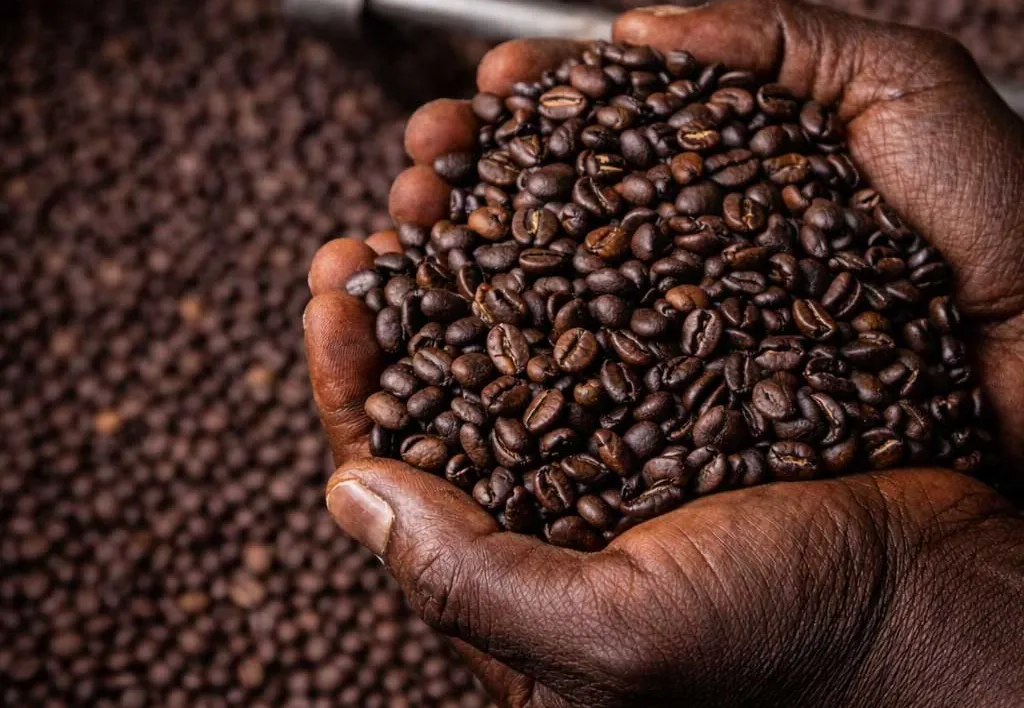
For years, the capsule reigned as a symbol of modern convenience in kitchens and offices. But the tide is turning. A growing number of coffee lovers are rediscovering the pleasure of grinding beans at home — a practice that combines freshness, economy and a renewed connection to the origin of the product.
The trend, visible in various parts of the globe, reflects a more refined demand: for authentic flavour, quality without shortcuts and a more conscious consumption experience. Grinding coffee on the spot releases the oils and aromas that make each cup something more than just caffeine: they turn it into a personal ritual, with an identity and a time of its own.
Quality at your fingertips
Besides flavour and sensory experience, there is one unavoidable argument: the economic factor. Coffee beans, although initially more expensive per pack, are significantly cheaper per cup. A kilogram of beans can yield about 120 coffees — an advantage that does not go unnoticed by regular consumers, families and small businesses.
This return to basics represents, for many, a strategic step back: less automatic convenience, more control over the drink one chooses to savour. A movement that appeals to an audience increasingly attentive to where food comes from, the environmental impact of its choices and the value of what it consumes.
Mozambique: the taste of the land
In Mozambique, the phenomenon takes on a particular dimension. With a deeply rooted coffee-growing history and a climate well suited to production, the country is witnessing the revival of initiatives that value local origin and promote social impact. Names such as Gorongosa coffee, Manica coffee or Café Chimanimani have gained visibility, pairing recognised quality with sustainable farming practices.
These projects go beyond coffee: they support communities, promote employment and keep the national farming culture alive. By choosing Mozambican coffee beans, the consumer takes part in a virtuous cycle that links the pleasure of the cup to the dignity of those who make it possible.
Less haste, more discernment
In a fast-moving world, the return to coffee beans is not merely a taste: it is a stance. It is the decision to slow down, to give space to the palate, and to rediscover value in every detail — from cultivation to grinding, from roasting to brewing.
If the capsule once symbolised the future, the present seems to call for something different: more authenticity, more human connection, more stories told at the pace of home-ground coffee.


