
Today’s youth, for tomorrow’s biodiversity
Written by: Aayat Irfan
There are three main occasions that make this month of June so special – International Children’s Day, World Environment Day and the celebration, by the National Administration of Conservation Areas (ANAC), of 10 years of conserving and protecting Mozambique’s incredible biodiversity.
Mozambique, like its name, is a unique nation. It has a diverse natural wealth, comprising mammals, insects, reptiles, birds, plants and marine creatures. All this makes Mozambique a stronghold for national parks (Limpopo, Gorongosa, Bazaruto, Mágoè, Qurimbas, Banhine and Zinave), nature reserves (Chimanimani, Niassa, Pomene, Gilé, Marromeu, Maputo Special Reserve and Ponta do Ouro) and special transfrontier zones (Lubombo, Zimoza, Niassa-Selous and Greater Limpopo).
Recently, Mozambique’s Ministry of Land and Environment announced key biodiversity areas (KBAs). Twenty-nine KBAs (terrestrial, freshwater and marine) have been recognised, and several conservation organisations have partnered with the Ministry to take them forward.
Given the impressive amount of flora and fauna that Mozambique has, it is essential that young children and teenagers in Mozambique are knowledgeable about this subject, because today’s young people are tomorrow’s protectors, defenders and warriors of wildlife. If they are not taught the importance of having a blessed natural environment, the future may be at risk. A magnificent example of what can be done is the Youth Club in Gorongosa National Park, which lets girls and boys learn and interact with wildlife as they learn about biodiversity conservation and local environmental issues, while also being prepared and supported by the park for future careers.
This International Children’s Day month, let all of us Mozambicans promise ourselves to make nature a priority and to keep Mozambique’s natural environment alive within us
Why should children interact with the natural environment?
Almost every child is familiar with the story of Spider-Man, but do they all know the story of spiders? Does every child know that spiders help to control insect populations and to prevent the spread of diseases such as malaria?
Although nature gives us so many benefits, there is still a lack of motivation to spend time with it and be its friend. Every child needs nature, regardless of who they are and where they are from, as Brandi Rondinelli once said: “Like a bee needs a flower, a child needs nature.”
With today’s technological developments, children have access to the most advanced and up-to-date electronic devices, but there is still one thing missing from their lives that parents seem to overlook: nature. Moreover, with the current covid-19 situation, it is even more important to preserve the natural world.
Gadgets seem to have created a barrier between children, their parents and nature, but none of these gadgets can be held entirely responsible for it. The ultimate solution for breaking down that barrier lies in bringing about changes in the lives of children and parents, through nature. This raises a truly vital question: why should children interact with the natural environment?
Right now, among the most common problems children and teenagers face are mental health problems. At this time, children are more likely to stay on their gadgets, with the use of electronics being a sort of escape and comfort from whatever they may be going through. This is where parents come in: they should seek professional help and try to incorporate nature into their children’s lives, since nature is also a medicine for relieving stress. When parents make their children interact with nature, the children automatically begin to admire its beauty, which will lead them to become future green warriors. Interaction between children and the natural environment also gives them good physical fitness.
How should children interact with the natural environment?
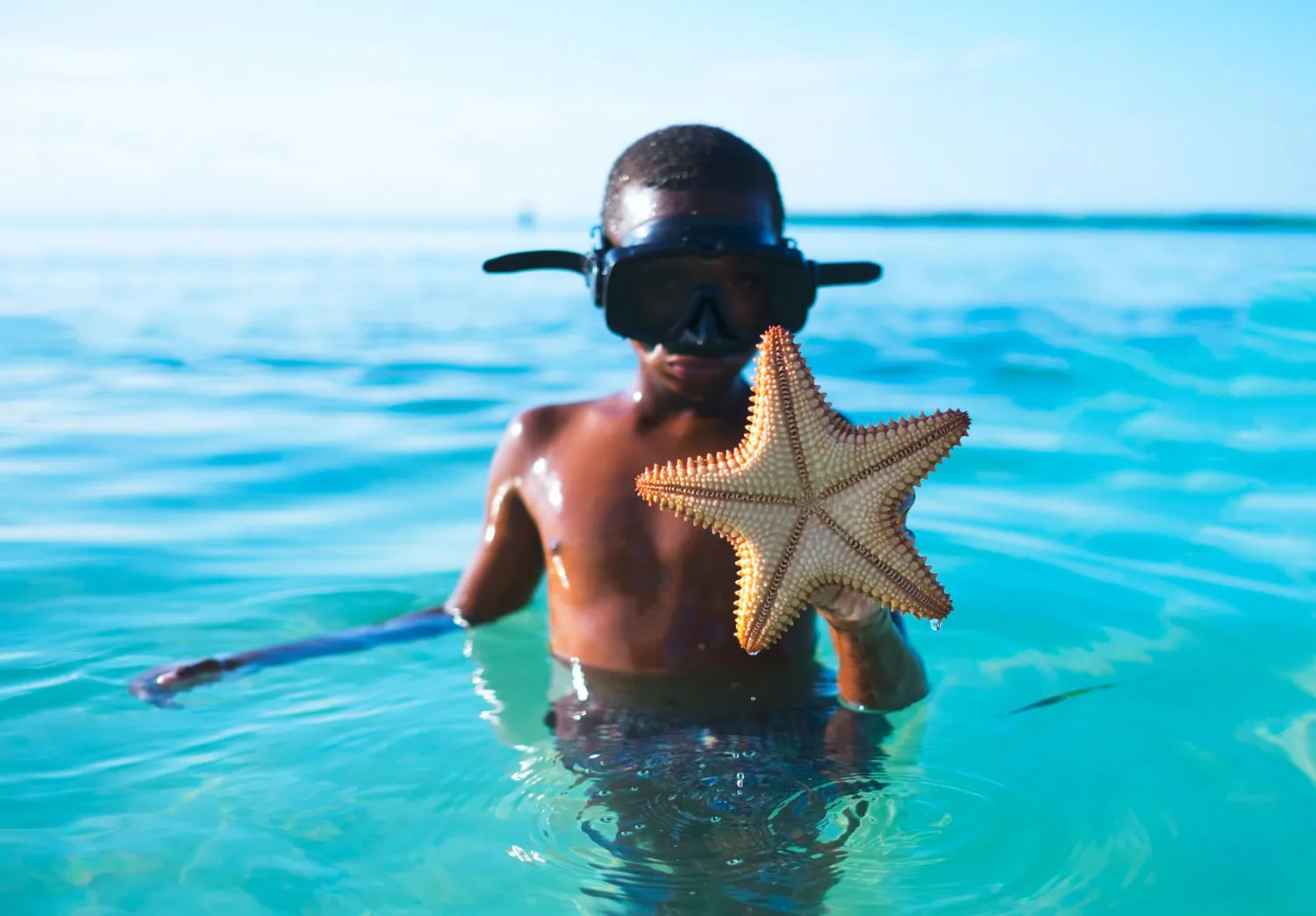
There are countless ways for parents to help their children engage with the natural world – going to the beach and collecting seashells, sitting on a rock completely surrounded by vegetation and listening to the sweet, pleasant melody of the birds, going for a hike and camping for a night.
As the words parents use have an enormous impact on children, parents could educate their children by talking to them about the importance of nature conservation, the role of all animal species in the natural environment and the importance of their being friends of nature. Wherever the child is from, both parents and school should try to make sure their child is aware of the conservation taking place in the areas around them or in their country.
There is a common misconception about nature, the idea that “going out” is the only way to interact with it. Parents can also bring nature home, by gardening in their yards, watching birds with their children as they sit by a window, planting, or dancing in the rain.
This International Children’s Day month, let all of us Mozambicans promise ourselves to make nature a priority and to keep Mozambique’s natural environment alive within us.


