
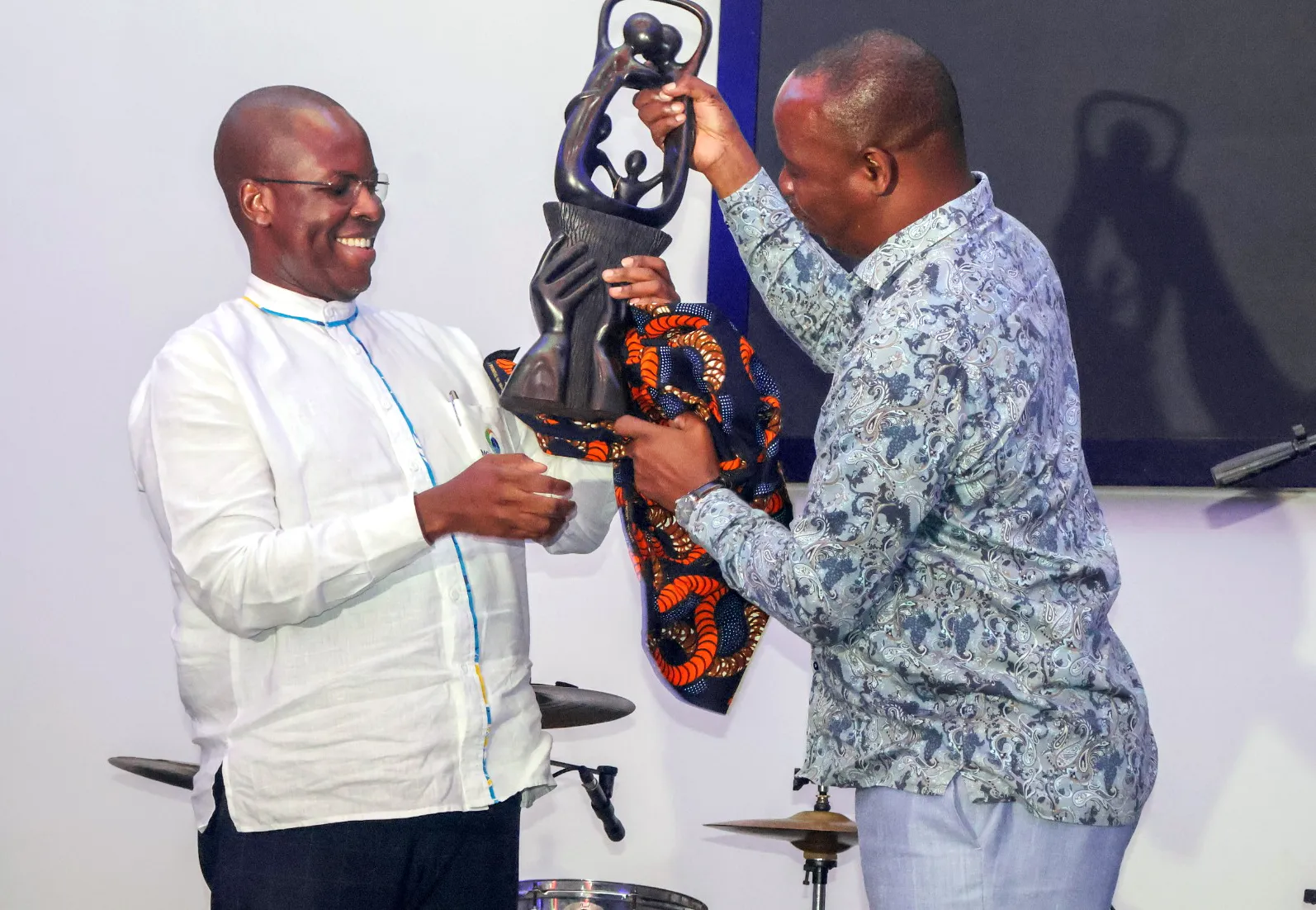
Some editions ago, we followed the visit of the Mozambican and South African delegations to the Kingdom of eSwatini as part of the Triland project, and now it was Mozambique's turn to host the regional partners, reinforcing the joint commitment to developing integrated tourism in Southern Africa. Over three days, the city of Maputo hosted a wide-ranging programme of activities that combined technical visits, promotional activities, networking events and high-level institutional meetings.
The programme's central aim was to deepen cooperation strategies between the three countries in order to promote the region as a diversified, competitive and sustainable tourist destination. Among the many notable moments, a business meeting stood out, attended by representatives of the respective governments, tourism-sector entrepreneurs and other key players in the industry.
Triland is an initiative that has been built over several years and reflects a shared vision: to turn borders into points of connection, and cultural and environmental diversity into shared assets. Mozambique's Secretary of State for Tourism, Fredson Bacar, was clear in stating that this cooperation goes beyond diplomatic formalities. “We are gathered here not as three isolated nations, but as a cohesive entity – Triland – that promotes authentic experiences, links destinations and generates value for our peoples”, he stressed. “Real tourism happens on the ground. The role of governments is to create conditions, but it is up to the private sector to turn ideas into concrete experiences, jobs and income for communities”, he added.
The programme in Maputo allowed participants to get to know the potential of Mozambique as a destination at first hand, promoting the sharing of good practice, the establishment of partnerships and debate on the common challenges faced by the three countries. Among the main topics discussed were the need to ease border-crossing procedures, the creation of integrated tourist routes, the enhancement of shared heritage and the inclusion of local communities in the benefits generated by tourism.
Richard Baulene, Director-General of the National Tourism Institute (INATUR), reinforced the strategic role of this type of meeting in strengthening regional cooperation. He also stressed that the possibility of extending the initiative to other countries in Southern Africa is under consideration, creating a broader network of interconnected destinations.
Holding this initiative in our country is thus another firm step towards consolidating an integrated and innovative tourist route, offering travellers a journey through three countries, multiple cultures and endless landscapes.


