
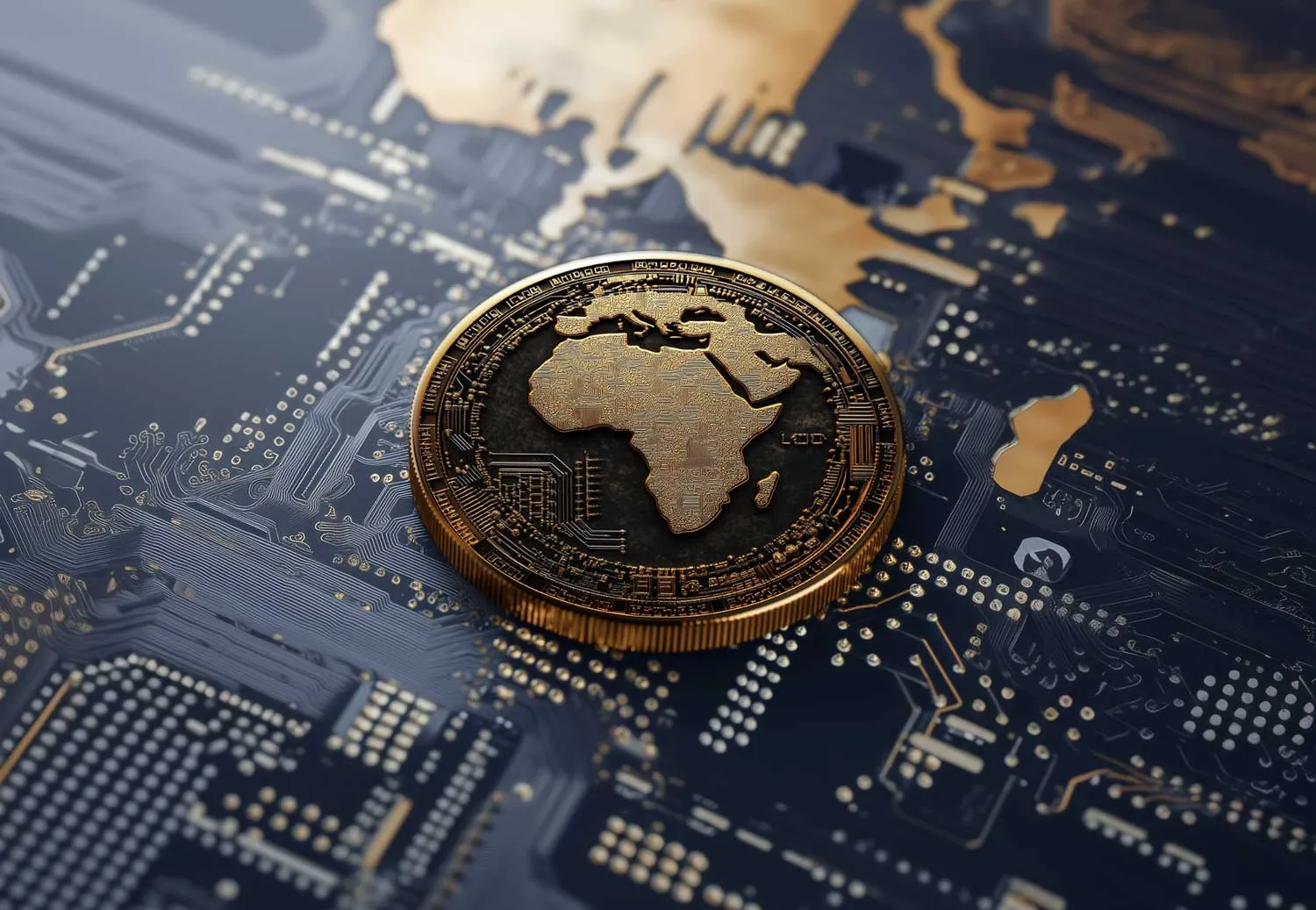
Stablecoins, cryptocurrencies whose value is pegged to fiat currencies, especially the US dollar, are transforming the financial landscape of sub-Saharan Africa. According to Bloomberg, these digital currencies already account for 43% of the total volume of crypto transactions in the region, growth driven by currency instability and restrictions on access to the dollar.
Why are stablecoins growing in Africa?
Currency crisis is a recurring problem in several African nations. Around 70% of the continent’s countries face shortages of foreign currency, making international transactions difficult and devaluing local currencies. Without easy access to physical dollars, many businesses and individuals are turning to stablecoins as a safer and more efficient alternative.
Ethiopia illustrates this trend well: after a 30% devaluation of its national currency, the country recorded a 180% increase in stablecoin transactions. This growth suggests that both traders and citizens are adopting these digital currencies to preserve their purchasing power and facilitate commercial operations.
Future prospects for stablecoins in South Africa
Experts believe the impact of stablecoins will be even greater in the coming years, particularly in South Africa, one of the continent’s largest economies. Growing demand for dollar-pegged digital assets could make them the main practical use of cryptocurrencies in the country, against a backdrop of economic fluctuations and a search for financial stability.
Regulation and the future of the crypto sector in Africa
The growth of stablecoins and of cryptocurrencies in general has drawn the attention of African regulators. South Africa has officially classified crypto assets as financial products, allowing financial advisers to guide clients on investments in this area. The South African Reserve Bank, in partnership with other regulatory bodies, is also working to integrate these assets into the country’s legal framework, strengthening the fight against money laundering and terrorist financing.
However, in Mozambique, the picture is different. The country still faces significant challenges in developing its crypto market. The lack of specific regulation creates uncertainty for investors and users. Currently, the Bank of Mozambique does not recognise cryptocurrencies as legal tender and has warned of the risks of using them. Even so, interest is growing among young people and small investors, who see crypto assets as an alternative to the traditional banking system.
Cryptocurrency transactions in Mozambique are taxed under general legislation, and are subject to Personal Income Tax (IRPS) or Corporate Income Tax (IRPC), depending on the activity. Despite the absence of a clear regulatory framework, platforms such as Coinbase and Bitget are already used in the country to buy and sell digital assets.
Although the growth of the cryptocurrency market in Mozambique is slower owing to challenges such as limited digital infrastructure and the absence of regulation, interest is increasing. This is especially so among young people looking for alternatives for financial transactions and investments in an increasingly digitalised environment.
The rise of stablecoins in sub-Saharan Africa reflects the demand for more accessible and stable financial solutions on a continent marked by currency challenges. However, the pace of adoption varies from country to country, and Mozambique still has a long way to go to reach more developed markets, such as South Africa or Nigeria.


