
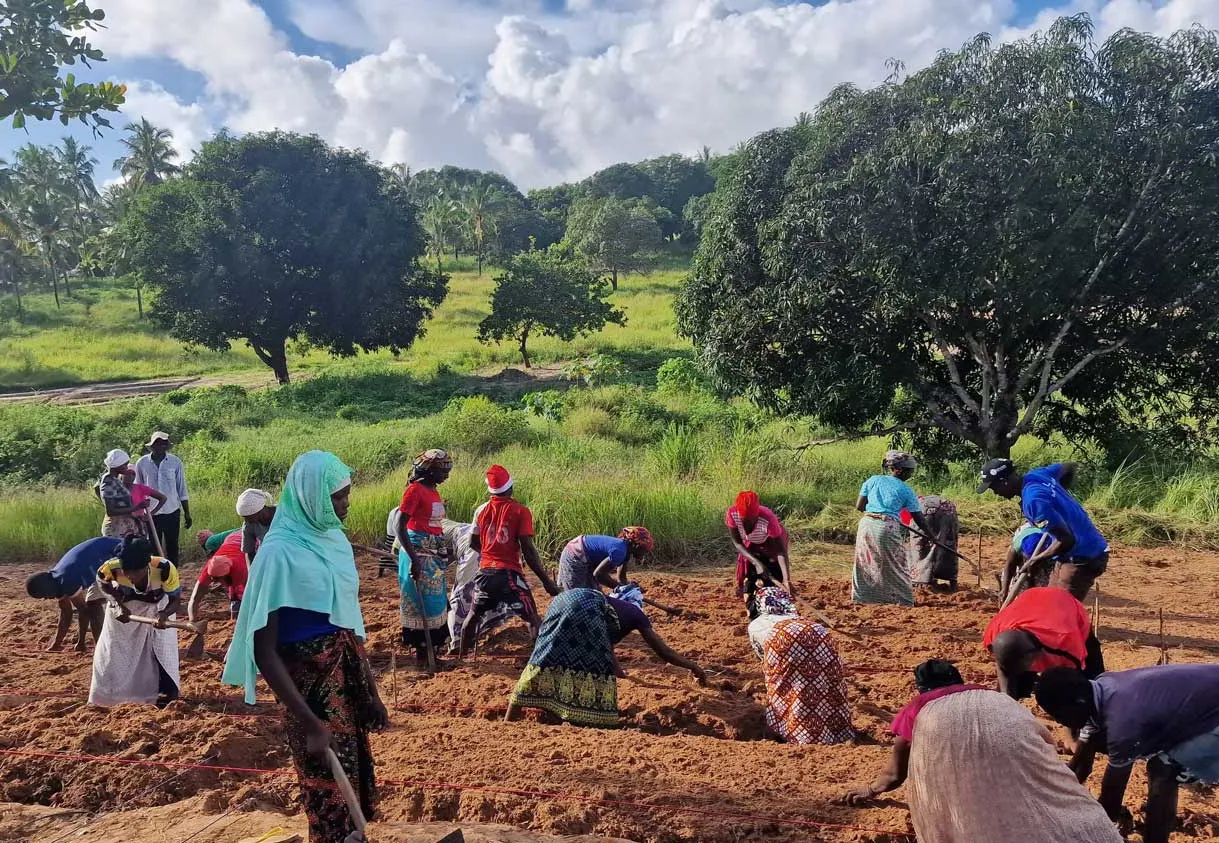
In northern Mozambique, where instability and natural adversity are daily challenges, an innovative initiative has proved that resilience and development can go hand in hand. Led by the organisation iDE (International Development Enterprises), a market-based agricultural project has managed not only to improve food security, but also to increase smallholder farmers' incomes and facilitate access to markets. The results are striking: a significant reduction in poverty among the initiative's beneficiaries, even in a setting of insecurity and adverse weather conditions. The Farmer Resilience and Rebuilding Initiative (FRRI), funded by USAID and implemented over three years, involved an investment of 8.1 million dollars. The programme, developed in Cabo Delgado province, had as its central aim to combat hunger, boost agricultural productivity and strengthen the local economy, directly benefiting 11,250 people. The project's final evaluation revealed considerable improvements in the participants' quality of life, demonstrating that sustainable development is possible even in regions affected by crises.
Transformation in times of crisis
Cabo Delgado province has been hit hard by cyclones and an armed conflict that has already displaced around 732,000 people. Many of these internally displaced people seek refuge in the southern districts, where they find host communities that are equally vulnerable and have few resources with which to receive them. Despite this bleak outlook, the iDE initiative has proved to be an effective tool for building resilience and promoting economic stability. According to Deepak Khadka, director of iDE Mozambique, the initiative was structured to respond to the immediate needs of farmers and internally displaced people, while laying solid foundations for long-term growth. “Cabo Delgado faces immense challenges, from extreme weather events to the forced displacement of thousands of families. Communities need more than just emergency aid – they need tools and knowledge to rebuild themselves sustainably. This project has shown that, with the right investments, it is possible to transform realities and create opportunities where before there was only uncertainty”, said Khadka.
At the start of the initiative, 60.8% of participants were living below the international poverty line, set at 1.90 dollars a day. By the end of the programme, this figure had fallen to 45.9%, demonstrating substantial progress. Analysis of the results showed that this advance was driven by increased agricultural productivity and improved access to markets.
Food security and agricultural growth
The project's impact on food security was remarkable. Severe food insecurity, which affected 66.1% of households at the start of the programme, fell to 53.1%. At the same time, moderate food insecurity rose from 17.3% to 37%, which indicates that many families no longer face extreme hunger. Another significant finding was the improvement in dietary diversity, with a greater number of households regularly eating six or more types of food.
The commitment to adopting improved farming practices and popularising vegetable production in the cool season was one of the decisive factors in this progress. Before the initiative, only 64% of farmers used climate-adapted farming techniques; by the end, this percentage had risen to 99%, which was also reflected in vegetable production. Today, 100% of producers have access to more nutritious food through horticulture. This leap resulted in an 82% increase in average agricultural income per family. The production of high-value crops, such as sesame, had a direct impact on increasing farmers' income. Revenue from this product alone grew by more than 160% over the course of the project. Strengthening local trade and improving distribution chains were equally essential to this transformation.
Accessible markets and economic integration
The ability to take agricultural produce to wider markets was another of the programme's successes. At the start, only 36% of farmers had easy access to markets; by the end, this percentage had risen to 63%. This progress was driven by 16 trade fairs for inputs and technology, where farmers had the opportunity to purchase agricultural tools and inputs with subsidies. Each fair brought together an average of 2,000 participants, stimulating local trade and fostering sustainable business relationships. The fair strategy, organised during the main planting season and again in the coolest season for growing vegetables, allowed farmers not only to reinforce their practices but also to establish direct contact with input suppliers, strengthening the production chain. In addition, iDE created and supported a network of trained local entrepreneurs, with business development support, market links and credit. In the last rain-fed cropping season alone, the rural entrepreneurs trained by iDE bought more than 5 thousand tonnes of cereals, injecting around 4 million US dollars directly into rural communities.
Lasting impact and prospects for the future
The evaluation of the programme's impact, carried out using a mixed method of quantitative and qualitative analysis, revealed that participants experienced concrete improvements in their lives. The data indicate that the initiative not only eased immediate hardship, but also created a sustainable path to long-term economic development. The participatory approach allowed beneficiaries to express the most significant changes they had experienced. Among the points highlighted were increased productivity, strengthened food security and greater economic independence among farming families. Cabo Delgado faces multiple challenges, from natural disasters to armed conflict. However, this initiative has shown that, with a focused, market-based approach, it is possible to create effective solutions that deliver concrete and lasting results. The success of this project is a testament to Mozambique's potential to overcome adversity and chart a path of growth and resilience. The province's future will depend on continued investment and innovative strategies that not only respond to immediate needs but also promote sustainable structural transformation. The results of this initiative send a clear message: with the right tools, communities can not only survive, but thrive.


