
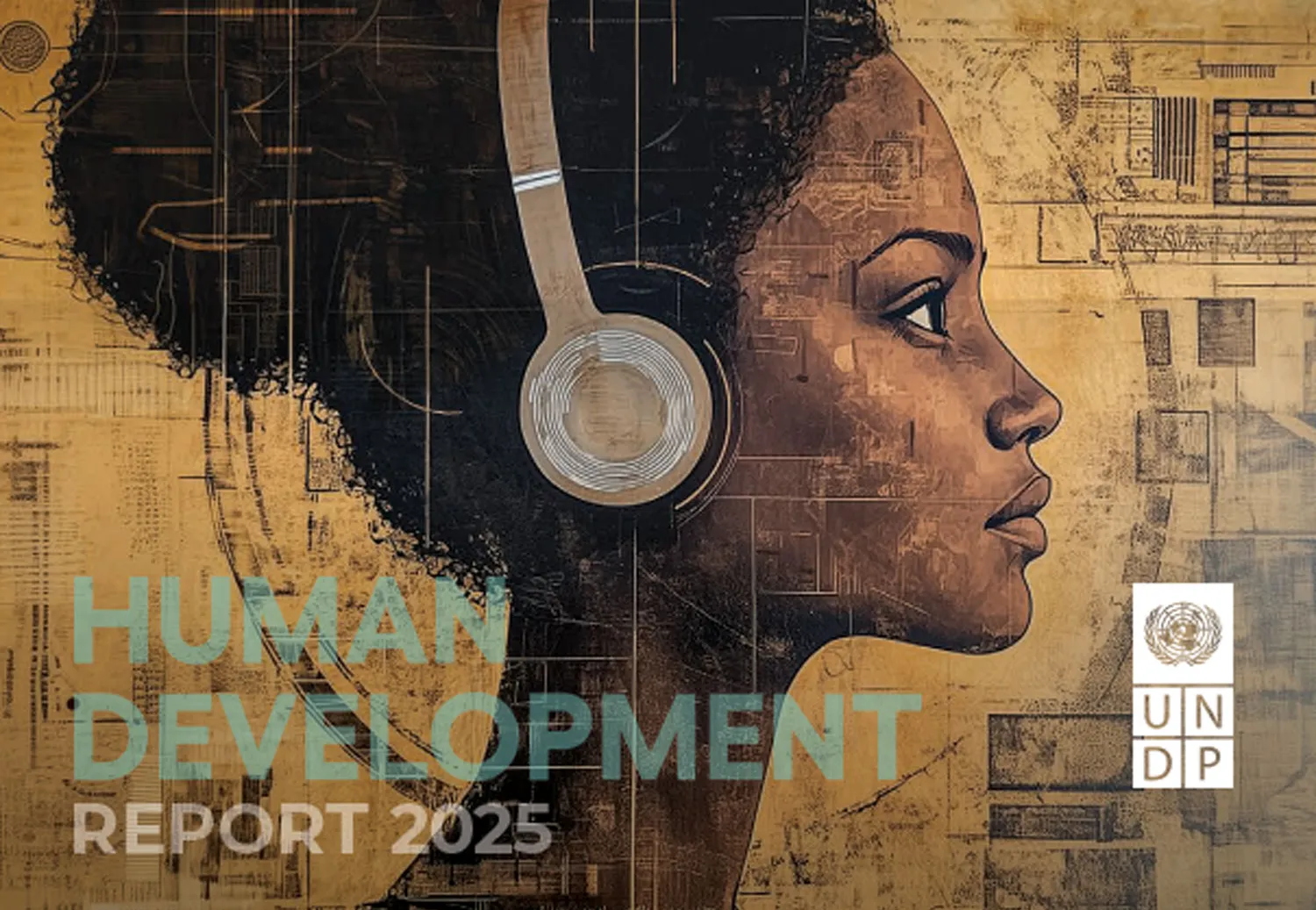
Artificial intelligence is transforming the world at an unprecedented speed, but progress in human development is not keeping pace. This is the main conclusion of the UN Development Programme's (UNDP) Human Development Report 2025, which warns of the real risk that AI will deepen inequalities rather than reduce them.
The document stresses that the future with AI will not be defined by the technology itself, but by the political, social and economic choices that guide its use. However, the current picture is worrying: the global Human Development Index (HDI) has stagnated, and the recovery after the COVID-19 pandemic is losing steam. The gaps between countries with very high HDI and those with low HDI have widened again, reversing years of convergence.
“Artificial intelligence does not decide for us; it is our choices that will determine whether it advances progress or deepens inequality.”
The UN compares the potential of AI to that of electricity, capable of profoundly transforming sectors such as health, education and the labour market. But this potential, the report warns, will only be realised if accompanied by inclusive public policies and investment in human capacity-building.
Three key areas of action are proposed:
Complementarity economy – Promote coexistence between human work and artificial intelligence, focusing on collaboration rather than replacement.
Innovation with purpose – Direct research and technological development towards concrete social ends, aligning profit with collective well-being.
Investing in capabilities – Train people, especially the most vulnerable, so that they can participate in and benefit from the new digital economy.
Another critical point is inequality in the production of AI itself. Most current models reflect the realities of high-income countries, which excludes the cultural, linguistic and social contexts of a large part of the world's population. The report calls for the democratisation of the technology and the inclusion of voices from the Global South in the development of AI systems.
The UN ends with a clear warning: AI is not inevitably beneficial or harmful; everything depends on how it is used. And that choice is, ultimately, human.


