
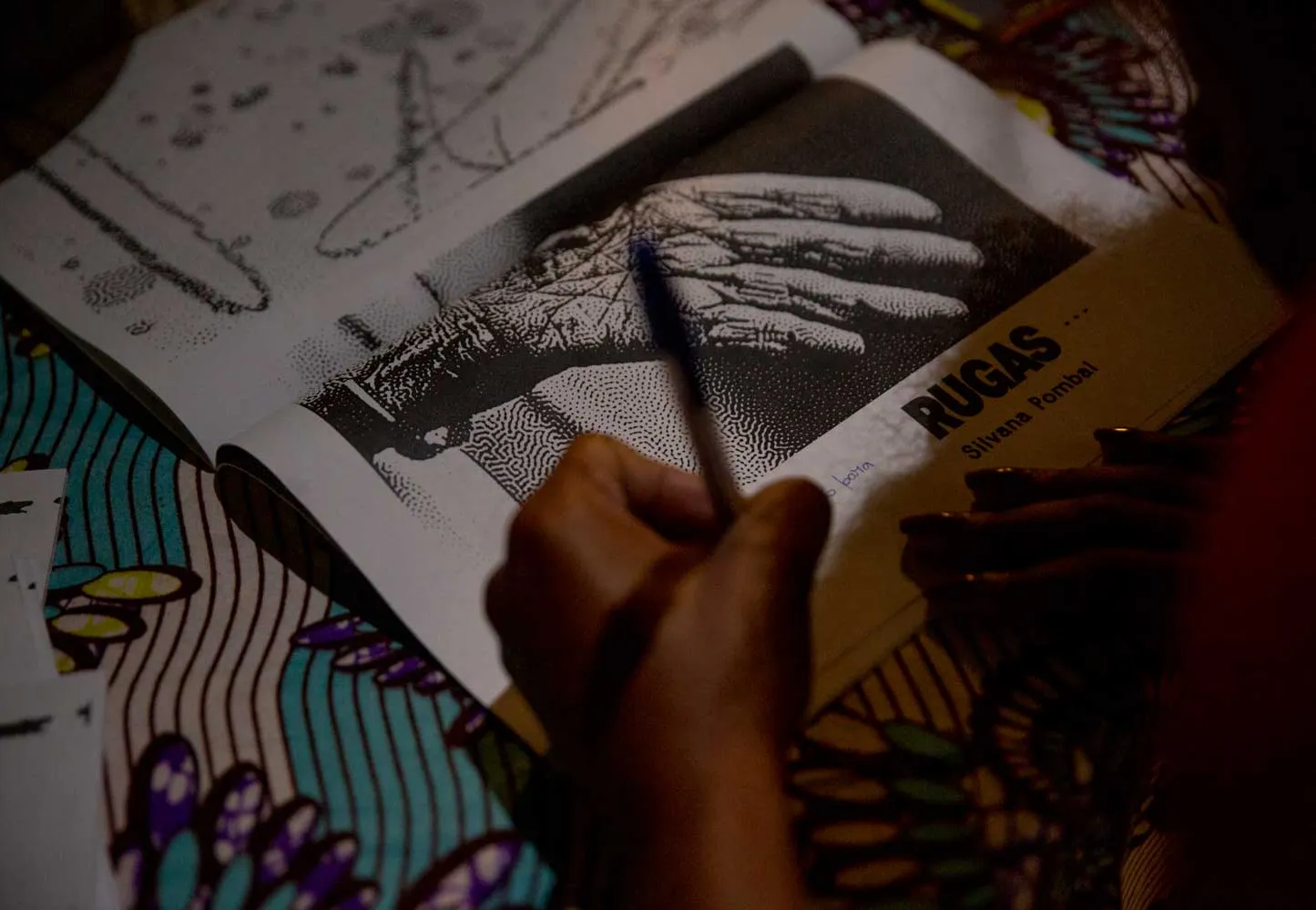
Rascunhos is a project by Estúdio Criativo Anima, launched in April 2022. Several national authors embarked on the idea of mirroring life through literary and visual experimentation, where the theme is the creative process itself. Rascunhos magazine was conceived as a way of understanding our time and our spaces, through experimentation, plural imagining and less conventional work, in which textual elements and the creative process are of equal standing, so that information is conveyed not only through literal meaning but also through visual cues.
It is hoped that this initiative will open doors for new literary voices
It is hoped that this initiative will open doors for new literary voices, and not only that, but that they will make themselves heard through narrative and metanarrative expressions, with a view to fostering creativity and the democratisation of creative spaces, as well as consolidating a greater presence and reach for literary magazines, thus helping to stimulate reading habits and a culture of proactivity in the literature sector in Mozambique.
Rascunhos has already featured the participation of several authors, as well as its editors, namely Ana Queiroz, Álvaro Taruma, Fábio Ribeiro and João Roxo, who presented their views on the importance of literary magazines and similar initiatives. Copies of the publication are available at Animateka, in the Studio.
The editors tell us:
“Rascunhos is a literary zine that aims to serve as a platform for exploration and experimentation, where Mozambican creatives allow themselves the impulse to rummage, to rethink and to rewrite.” – João Roxo
“Rascunhos is a space for literary experimentation that attracts, like a magnet, intuitive narratives, deep imaginaries and epiphanies from Mozambican writers, known or unknown.” – Ana Queiroz
“Rascunhos is a compilation of texts, thoughts and life experiences, written and rewritten, that favour literary experiments and innovations in technique and style, brought together in a single magazine conceived and built by hand.” – Álvaro Taruma


