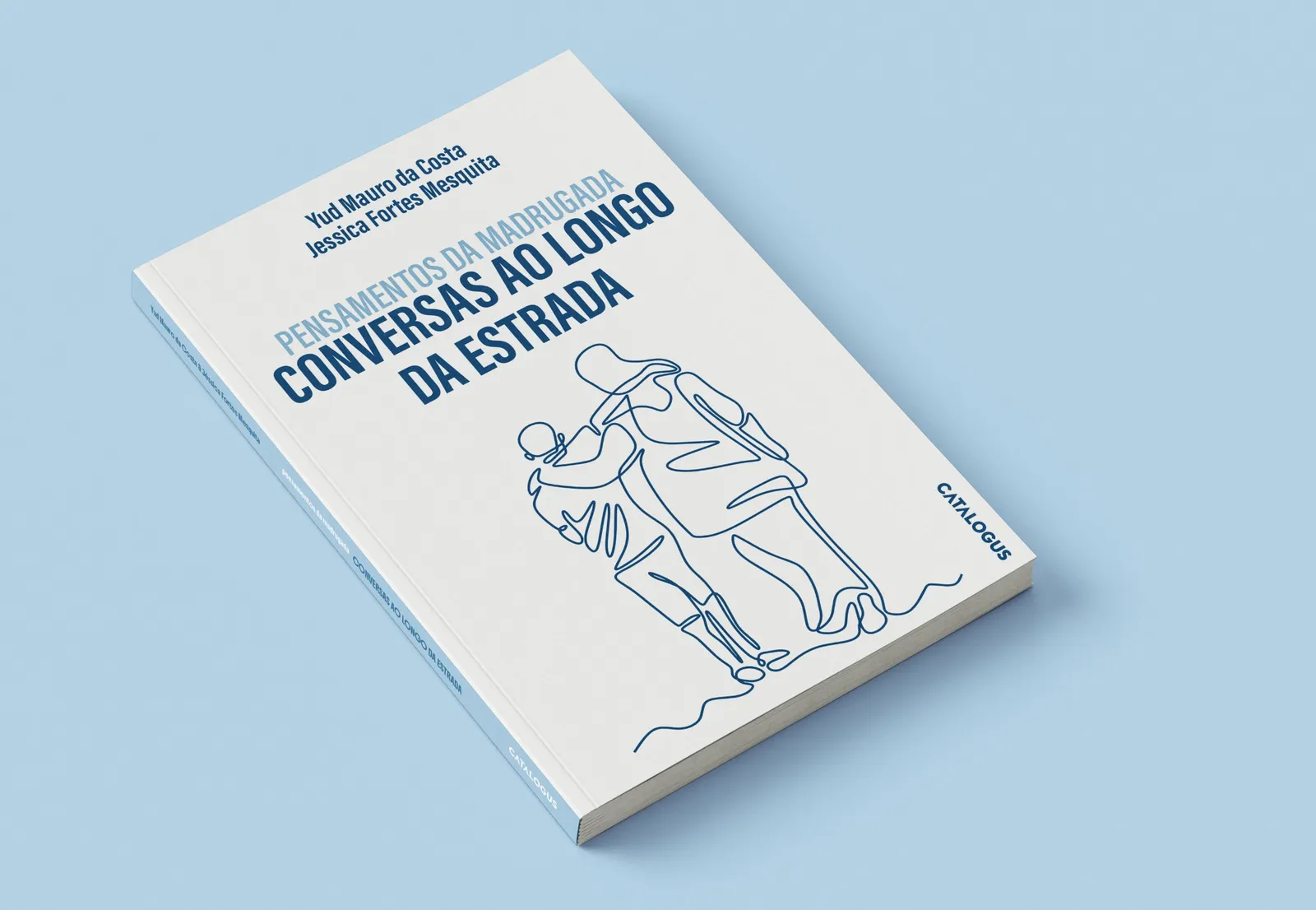
Two talents intertwine their voices in this collection, exploring themes that resonate with the vibrancy and challenges of contemporary life in Mozambique. With unique skills and sensibilities, they invite the reader on a literary journey that aims not only to entertain, but also to provoke reflection and dialogue. Pensamentos da Madrugada (Thoughts of the Dawn) — to draw out what revolutionises from within. On walks through the night, shaped by anguish and bonds, the words of the street poet Yud da Costa were born. Through the alleys and paths of the day, the poet Jéssica Mesquita emerged. Together, they make this work we present here: two Mozambican poets in conversation. For your tasting and pleasure. "Dualogo - Conversas a Dois" is a landmark in the exchange between two people passionate about writing and about the exchange of meanings arising from the word. The invitation is to create in dialogue, to converse through works. That is how this first book came about, and what awaits us in the next publication.
Yud Mauro da Costa – “Although the official launch ceremony has not yet taken place, the book is already available, and that, in itself, has a profound meaning for me. Seeing this work take shape and reach readers' hands represents the fulfilment of an intimate and intense process, begun from conversations, emotions and shared experiences. The launch marks the beginning of a new phase, that of publicly sharing something that, for a long time, lived only inside me. It is an act of courage, of surrender and, above all, of connection with those who allow themselves to read me.”
Jéssica Fortes Mesquita – “Art is a very intimate thing, but at the same time, in the end, it does not properly belong to us. Creating meaning with the beauty and power of words is a way of making art that has the capacity to touch, heal and give voice. A simple play on words can reveal feelings and thoughts that we previously had no way of expressing, and can create bridges across which many more than just us can pass. Having some of my poems in a book that we offer to the world is a great gift, and being able to express myself in my mother tongue is an honour I enjoy. In exercising our voice, we also give voice to those who share paths and identities similar to ours. It was a little of this aspect of sharing something in common that led me to continue a conversation, which still endures today, with Yud. It is with great pleasure and joy that I share a little of myself with him and see our conversations take wing in things to say. And now it is with you that we also share this. Khanimambo.”
Feature
Pensamentos da Madrugada
Conversations along the road
Xonguila28 August 20252 min readTime well invested.
Time well invested.


