
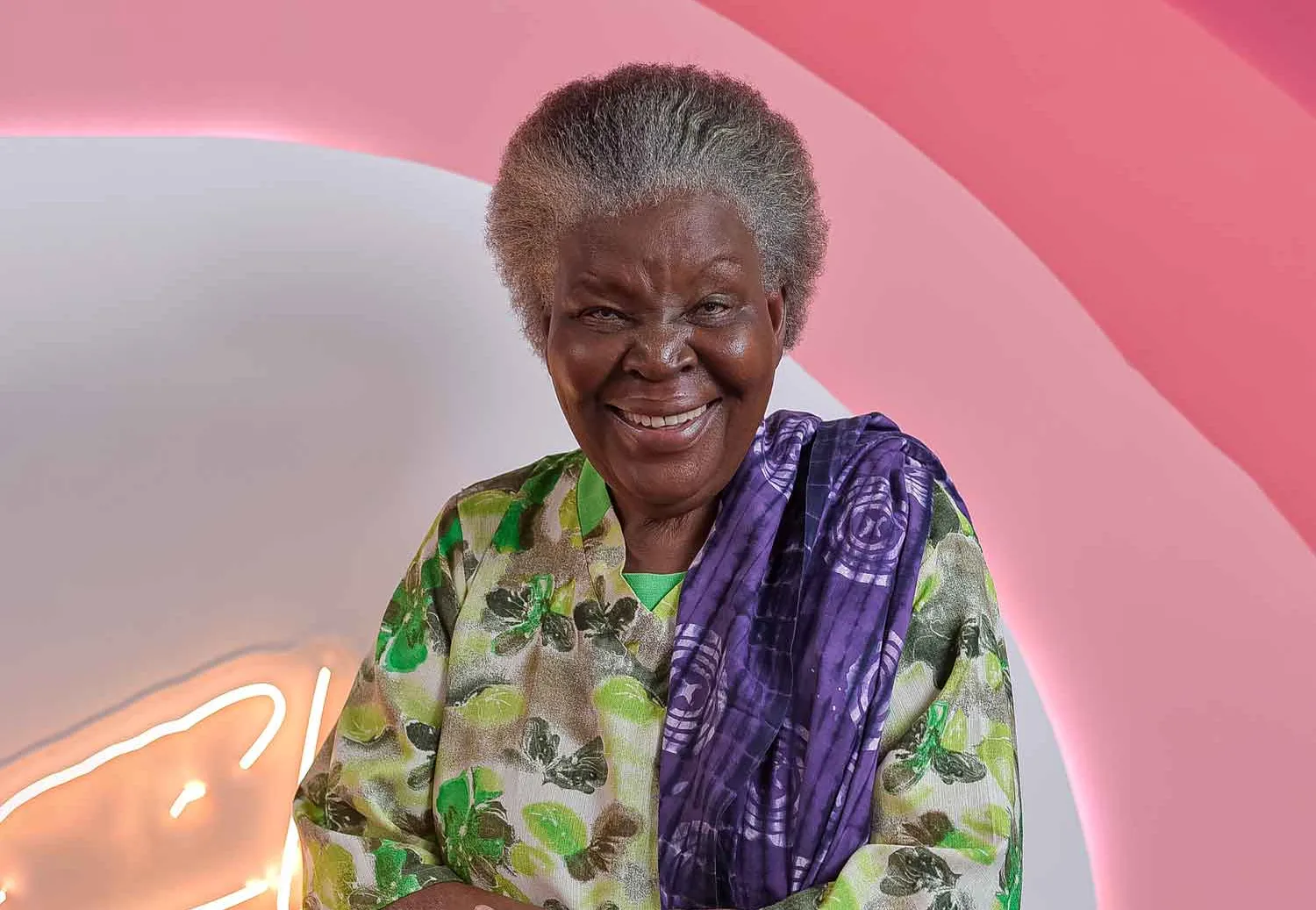
There are voices that transcend generations and help us understand who we are as a people. Among them is Paulina Chiziane, one of the most important figures in contemporary African literature, whose work has given voice to the complexities of identity, culture and the human condition in Mozambique and on the continent. In a special edition of the Podcast Para Elas, Alima Sauji sat down with the writer for a deep conversation about Africa, its roots, the challenges of education, the construction of identity and the role of the new generations in preserving and valuing African cultural heritage. The initiative is supported by UBA Mozambique, which believes in the continent's potential and in the importance of promoting spaces for dialogue, reflection and the valuing of our history and identity. Together, they invite us to revisit our roots and reflect on what it means to be African today.
You have championed the valuing of African culture in an increasingly globalised world. How can cultural identity and globalisation be reconciled?
Globalisation does not mean that we should abandon who we are. On the contrary, we need to strengthen our identity. When I take part in international events, I am not invited to represent a generic culture; I am invited because I am African and because they want to hear Africa's voice. I remember an International Book Fair in Frankfurt, where a group of African writers was discussing universal themes. A child stood up and said that she had come to the panel to hear an African story, but wasn't finding it in the speeches. At that moment I told a traditional African story, and the reaction was extraordinary. The world wants to know our experiences, our stories and our view of life. Globalisation is like a cake made of many different ingredients. Africa is one of those essential ingredients. We should not erase our identity, but rather value it and share it with the world.
Many of your works deal with resistance, overcoming adversity and identity. What lessons can those stories convey to African children and young people?
I believe that writers and artists have an enormous responsibility in passing on values and knowledge. This is work for generations: each one does its part and prepares the way for the next. That is why I place great value on dialogue between generations. Recently I received about thirty children at my home for a school interview. It was a wonderful experience. We talked, shared stories and created a moment of mutual learning. We need to open these channels of communication so that the young know who they are and where they come from. Books often present scientists only as white men and heroes only as male figures, ignoring other realities. Science is also present in African knowledge. When a grandmother knows medicinal plants that can cure illnesses, that is scientific knowledge too. Our languages, our practices and our history carry wisdom that needs to be recognised and valued.
How important is literature in shaping critical, creative and aware children, especially in an age dominated by digital technologies?
Every age has its tools, but the book will not disappear. The digital has its place, but much of what we find in that universe was born first from oral tradition and writing. The stories we see today in films, cartoons or digital platforms originated in narratives passed on orally and later recorded in books. The book remains a fundamental instrument for understanding the world. Learning to read and write expands human consciousness. Technology may transform formats, but it does not eliminate the need for reading. Knowledge will always need words, ideas and stories.
In this African Child Month, what message would you like to leave for the continent's children?
The message I leave for children is one of memory, courage and freedom. We must know our history and recognise the legacy of those who came before us. Our ancestors faced slavery, colonisation and countless adversities, but they left us a legacy of resistance, creativity and hope. I tell children: “No one will give you freedom without a struggle, no one will build your dreams for you. You must believe in yourselves, preserve the memory of those who fought before and keep building a better future”. I also leave them a simple piece of advice: “When you face difficulties, put wings on your soul. Dream, sing, create and never give up. All of life is a struggle for better days, for happiness and for prosperity”.
How do you see the role of literature and art in shaping the new generations?
Literature and art are privileged spaces for sowing values, awareness and freedom. Messages do not always arrive through formal speeches. Often they arrive through a story, a song or a poem. When we work with children and young people through art, we are planting seeds that can flower throughout their lives. It is a powerful way of preserving cultural identity and strengthening critical thinking.
Much is said about the role of African women in the continent's development. How do you analyse this question?
Sometimes I get tired of hearing questions about what the role of African women is. Africa has remained standing because women existed and resisted. We have extraordinary references in our history. We are heirs to women such as Cleopatra, the Queen of Sheba, Nzinga of Angola and Kimpa Vita. They were leaders, strategists, diplomats, philosophers and figures of universal stature. The problem is that we often do not know our own history and end up looking for models of empowerment exclusively outside Africa. We need to rediscover our references and recognise the greatness of African women down the centuries. The history of Africa is a history of survival. Women faced slavery, the separation of families, violence and countless forms of oppression, but they continued to ensure the continuity of life and of communities. So when we talk about empowerment, we should remember that African women have shown, throughout history, an extraordinary capacity for leadership, resistance and transformation.
What final message do you leave for young Africans?
I would like to tell young people to know their history. Africa has an extraordinary cultural, intellectual and human heritage. We need to read more African authors, study our thinkers, get to know our heroes and heroines and strengthen the ties between the peoples of the continent. We cannot go on living like islands. Africa needs to find itself again in order to build new stages of freedom, development and prosperity. We have a common past, similar challenges and enormous potential to create a better future together.


