
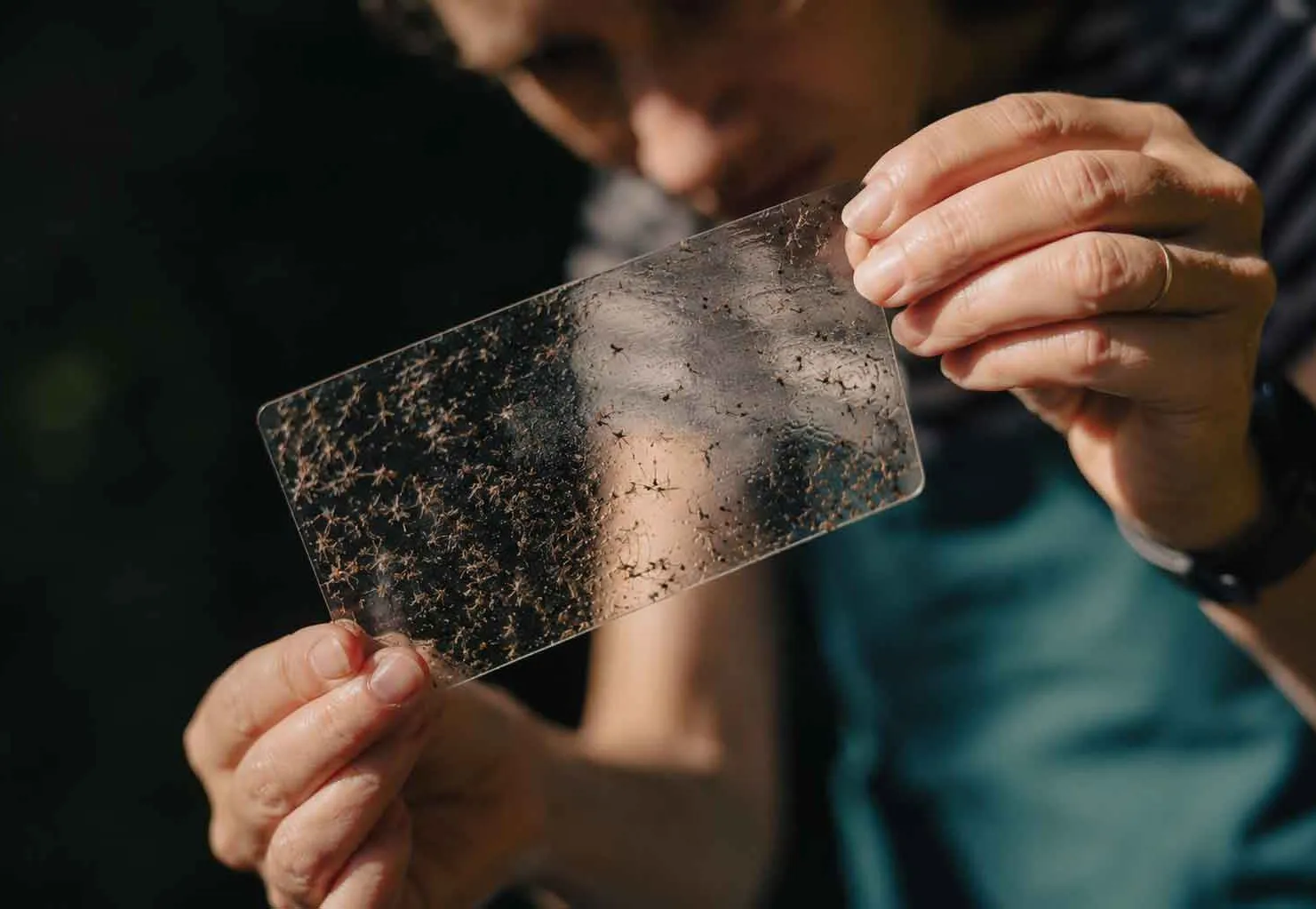
For decades, eliminating mosquitoes was seen as an impossible mission. Today, however, researchers in different parts of the world believe this battle may be entering a new phase. Dutch biologist Bart Knols argues that it makes sense to eradicate the species responsible for transmitting diseases, while American entomologist Raymond St. Leger, of the University of Maryland, is developing a genetically modified fungus capable of attracting and killing mosquitoes. At the same time, other scientific teams are testing genetically altered mosquitoes and using the bacterium Wolbachia to prevent the most dangerous species from reproducing.
The aim is not to eliminate all of the roughly 3,700 species of mosquito, but rather the few that transmit diseases such as malaria, dengue, Zika and West Nile virus. Although these insects are responsible for around 700 million infections and one million deaths a year, many play important roles in ecosystems, which is why most scientists reject total eradication.
Outside the laboratories, the battle has also reached communities. In Washington D.C., Michelle Mingrone has mobilised hundreds of families to eliminate breeding sites, set up traps and use natural larvicides. The project, which began with a simple appeal to neighbours, now brings together around 1,800 homes and seeks to show that the fight against mosquitoes can also begin on one's own doorstep.


