
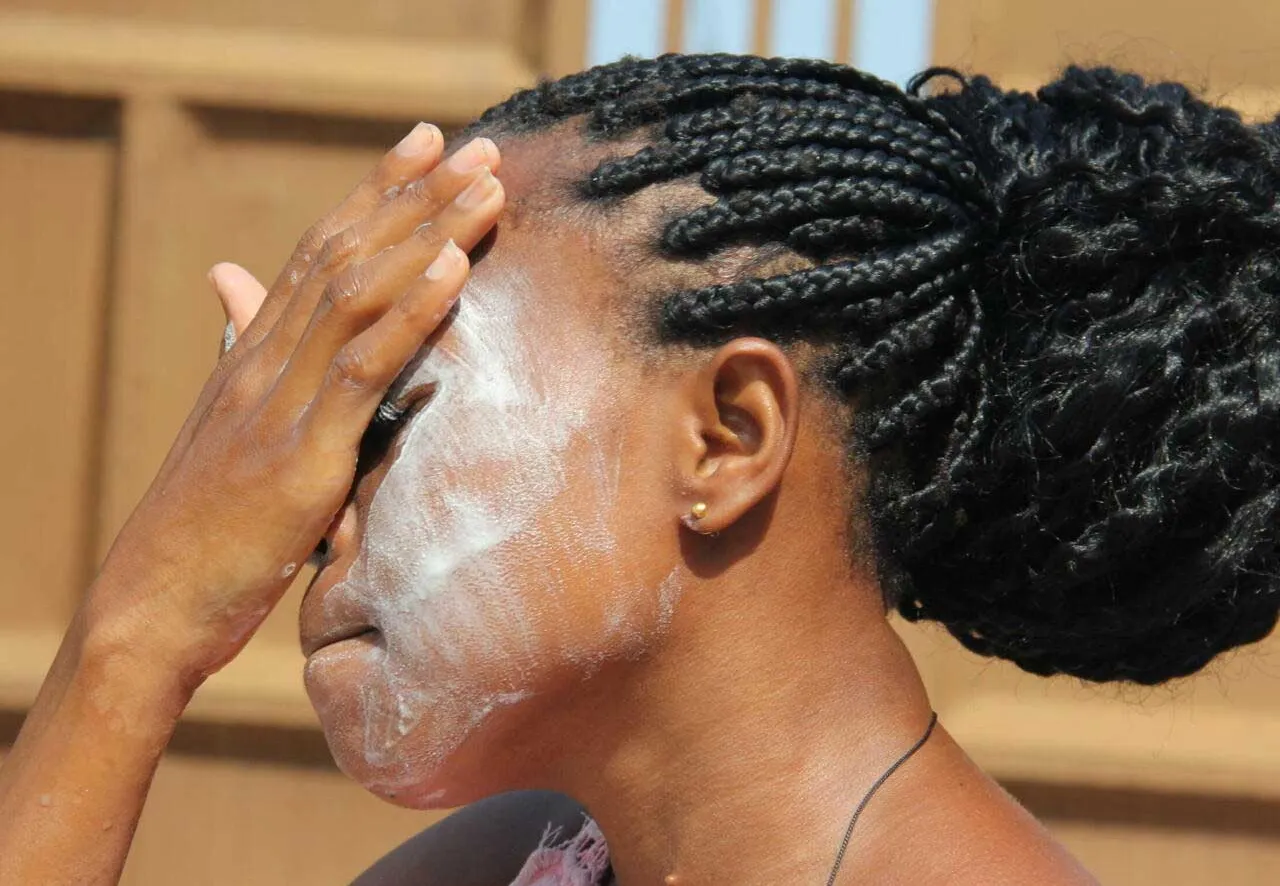
The growing trend towards achieving a lighter skin tone is leading individuals of different ages and genders in Mozambique to opt for the use of cosmetics and substances that can be harmful to health.
Abussete Nota, a 24-year-old young bricklayer, is one of the many who have gone down this path, hoping to enhance his physical appearance. His aspiration is to harmonise his skin tone with that of his lighter-skinned colleagues, an endeavour that has now lasted three years. In interviews with Lusa news agency, several young Mozambicans echoed similar feelings, stressing growing social pressure to alter their pigmentation. Although responsibilities towards his newborn son have led to occasional pauses in this process, Nota recently resumed the habit of using lightening products.
These products, although banned in several nations, find significant demand, especially among consumers from the middle and lower economic classes in Mozambique. The local market is full of varieties of products intended to reduce the production of melanin, the pigment responsible for skin colour. The range of products available includes soaps, lotions, scrubs, capsules, and even injections, all sold at very attractive prices.
An example of their financial accessibility can be seen in the prices of lighteners, which vary considerably. A 100-millilitre container can cost approximately between 100 and 120 meticais, equivalent to about 1.5 euros, while faster-acting products can reach values in the order of 1,000 meticais.
Nota buys his products from stalls in the 38 Milímetros informal market, in Chimoio, the capital of Manica province, in the centre of the country. However, this practice is not free of negative repercussions. Using these products can result in notable adverse effects, such as dry skin and skin irritation, which, consequently, can affect the individual's self-esteem.
Gina Mosse, who owns a hardware shop in the same market, says she has had previous experience with lighteners, but warns that some of these products can damage the skin. Cândida Paz, a vendor and friend of Gina, also criticises these products for the uneven way they alter skin tone.
Ancha Siaca, a doctor at Chimoio Provincial Hospital, reiterates that there are few cases in which no harmful consequences are observed from the unregulated use of these products, which frequently contain potentially toxic and carcinogenic substances such as mercury, steroids or hydroquinone.
The problem of using these lighteners is not unique to Mozambique. In fact, neighbouring countries such as South Africa have already introduced strict legislation on the sale of products containing hydroquinone, thus leading a movement that was subsequently followed by other African nations.
The global market for skin-lightening products is estimated to have reached a value of around 4.8 billion dollars in 2017, a figure that has been rising, driven by significant demand in Africa and Asia.
Artur Semente, a wholesale trader, confirms the upward trend in this market and says he is ready to meet the growing demand, offering a wide range of these products.


