
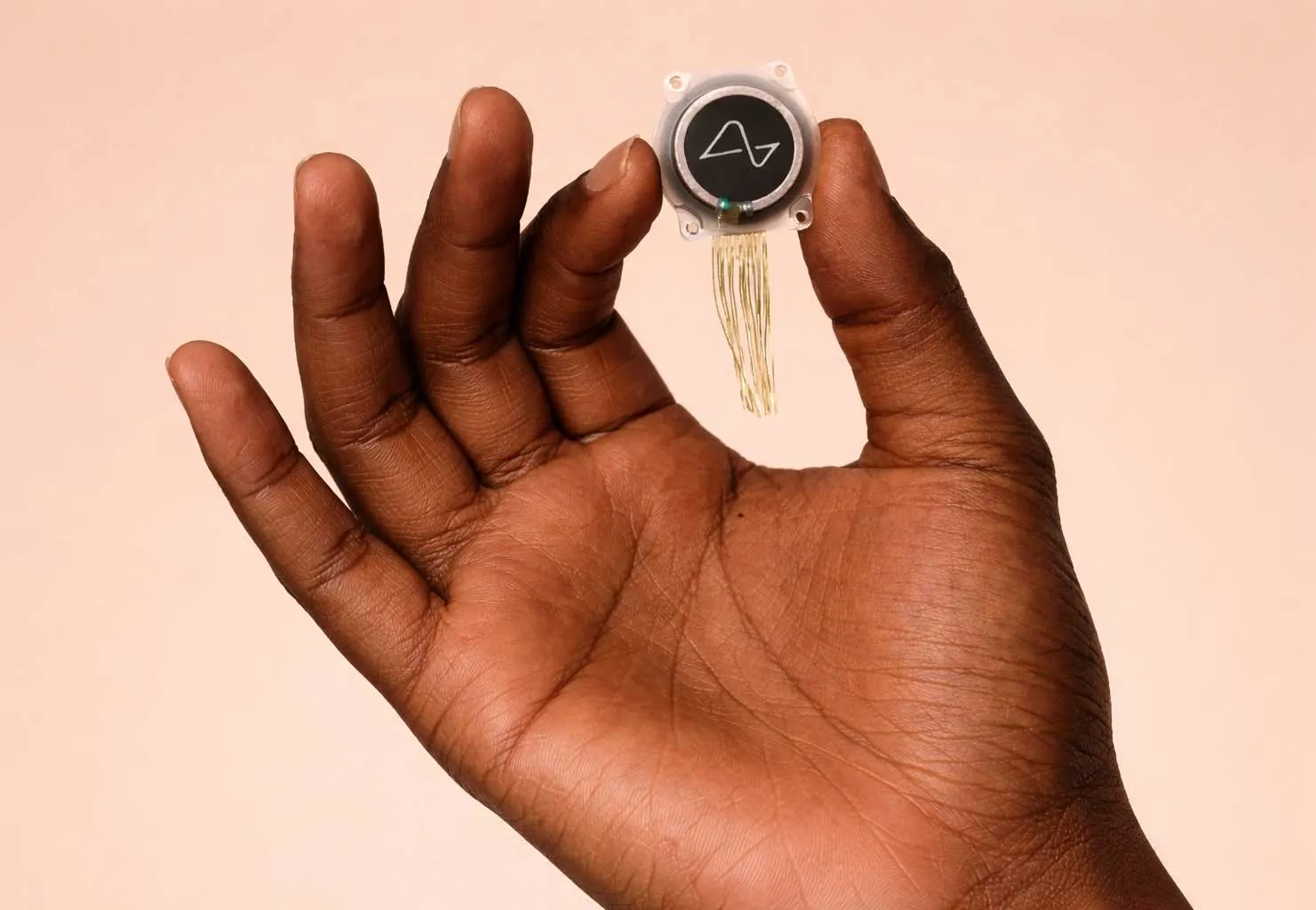
Neuralink, the neurotechnology company led by Elon Musk, is ready to begin large-scale production of its brain implants in 2026. The announcement was made by Musk himself on the social network X, where he detailed plans to make the implantation process faster, safer and more widely accessible.
According to the entrepreneur, the company is also moving towards “a simplified, almost fully automated surgical procedure”, a stage considered crucial for the expansion of the technology. One of the main innovations concerns the way the threads are inserted: they will now be introduced through the dura mater – the outer layer that surrounds and protects the brain – without the need to remove it, which represents, in Musk's words, “a significant advance”.
Neuralink has been consolidating its progress since 2023, when it obtained approval from the United States Food and Drug Administration (FDA) to begin human trials. Before that, trials had been carried out only on animals, such as rats, pigs and monkeys. The company had planned to begin human trials in 2022, but the lack of FDA approval – which at one point rejected the first applications – and criticism over alleged abuses in animal testing delayed the timetable.
The first human implant took place in 2024, in Noland Arbaugh, who has been quadriplegic since a diving accident. The case was widely publicised after Elon Musk confirmed that Arbaugh could control a computer with thought alone.
Since then, Neuralink has carried out implants in 11 more people with different types of paralysis. Among the known names are Bradford G. Smith – the first patient with amyotrophic lateral sclerosis (ALS) to use the device – and Audrey Crews, the first woman to receive the implant.
More recently, Nick Wray, also diagnosed with ALS and the eighth patient to be treated, has come to control a robotic arm using only his mind. With this advance, Wray can carry out everyday tasks such as driving his wheelchair, feeding himself with greater independence or even putting a hat on his head – simple gestures, but full of symbolism.
In parallel, Neuralink completed, at the end of 2025, a funding round worth 650 million dollars. This capital will allow it to accelerate production and development of the technology, as well as to expand access to a wider number of patients, paving the way for a new era in the relationship between the human brain and digital technology.


