
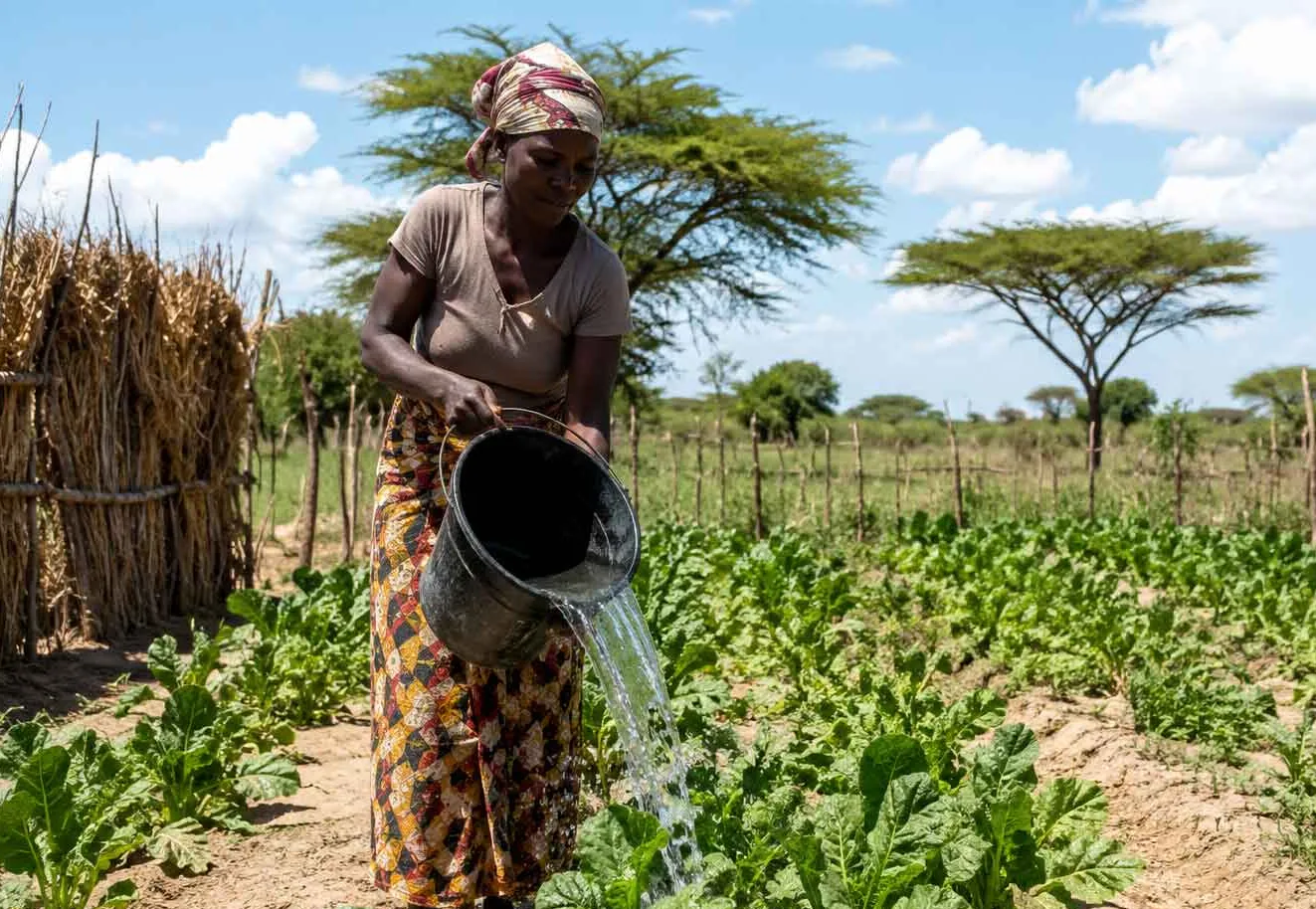
More than 255,000 households living in rural areas of Mozambique will be brought into productive processes designed to strengthen agri-food value chains, in a Government initiative that aims to combat poverty and boost the economic development of communities.
The information was released by the Ministry of Agriculture, Environment and Fisheries (MAAP) in a statement announcing the start of a ten-day training programme, presented on Monday in the city of Maxixe, in Inhambane province.
The training brings together producers and extension workers from the districts of Homoíne and Inhassoro, and its main aim is to consolidate the application of the Gender Action Learning System (GALS) methodology, considered an essential tool for promoting more inclusive participation in productive activities.
"We want to expand the GALS approach with a focus on vision, planning, development of producer organisations, group cohesion and the empowerment of women and young people," said the representative of the Inclusive Agri-food Value Chain Development Programme (Procava), Lucília Santos, quoted in the ministry's statement.
The training process will take place in two phases. The first will serve to select the participants who will move on to the next stage, allowing them to deepen their knowledge and strengthen the skills needed to implement the methodology.
According to MAAP, Procava is a government programme designed for a ten-year period, with the mission of reducing poverty, promoting productive inclusion and invigorating agri-food value chains across the country.
Lucília Santos explained that the programme is being implemented in 81 districts in the South, Centre and North of the country, concentrating its intervention on value chains considered strategic for food security. These include horticulture, cassava, pulses, red meat and poultry farming.
Besides boosting agricultural production, Procava incorporates cross-cutting components related to gender equality, youth, nutrition, land tenure security, access to financial services, sustainable management of natural resources and the inclusion of vulnerable groups.
With implementation scheduled until 2030, the programme is being developed in coordination with public institutions and service providers, fitting into the national strategy for transforming agri-food value chains and strengthening the resilience of rural communities, the Ministry of Agriculture, Environment and Fisheries concludes.


