
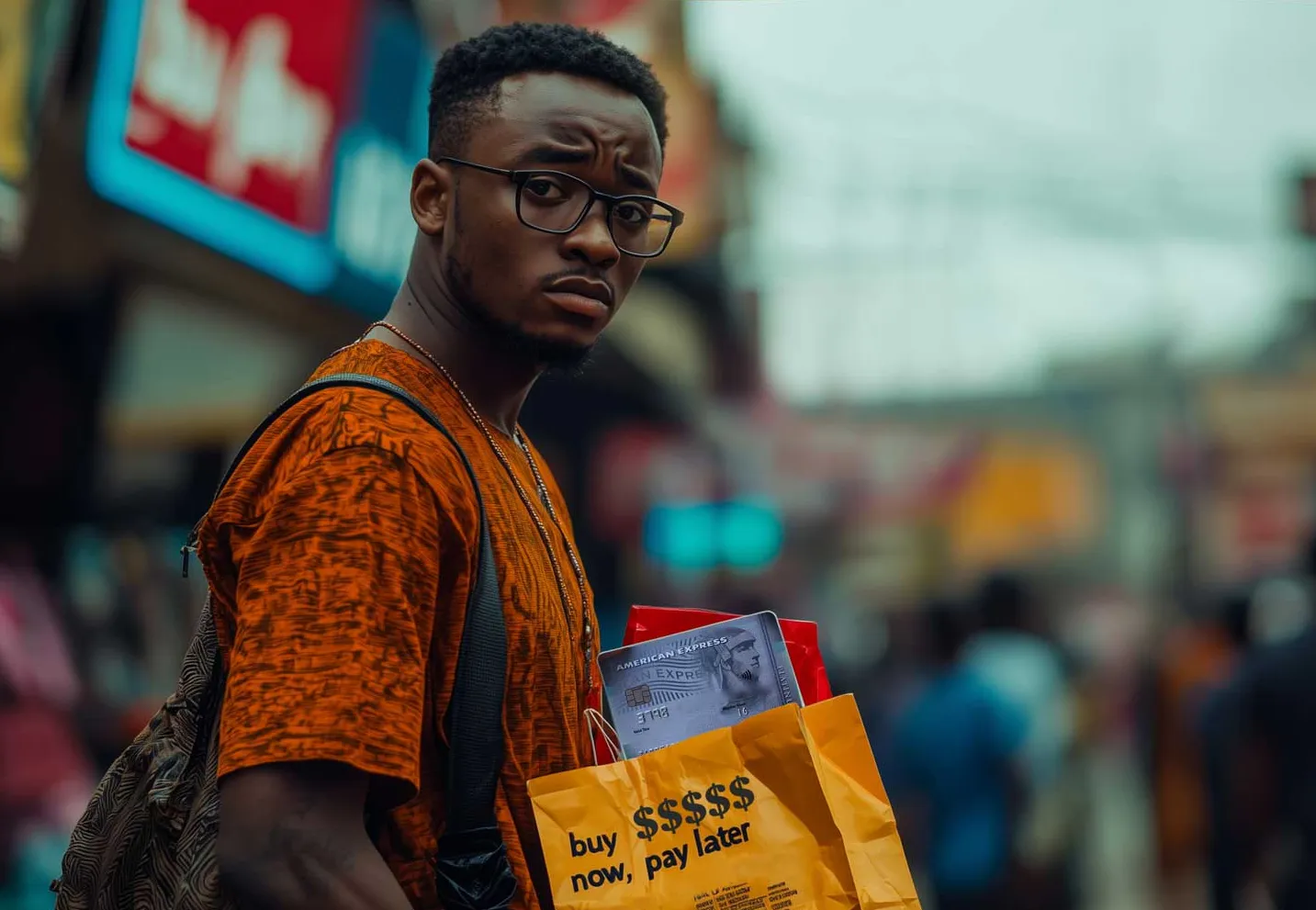
Mozambique is a society that likes to buy now and pay later. The effects on young people's financial literacy are characterised by the same behaviour patterns as their parents' and society's. These are behaviours of high credit and high consumption, with very little saving and, in turn, high social risk.
The internet loves making lists of things, from the 10 best beaches you should visit to the 10 best restaurants in your area. So it is no surprise that there is a list of the top 10 reasons people fall into debt. Some are obvious, some are a little more excusable, and one is ridiculous.
Bankrate.com's list of the top 10 reasons for debt begins with reduced income/savings. That makes sense. Next comes divorce, followed by an important factor, namely poor financial management. The list continues with unemployment, gambling, medical expenses, insufficient savings, lack of financial communication skills, betting on an unexpected fortune and, finally, yes – FINALLY – financial literacy.
It is hardly surprising that most adults with incomes/salaries are in excessive debt when "financial literacy" comes in tenth. This raises a question: if financial literacy were at the top of the list, would there be a list?
There are glaring shortcomings in the education system, from primary school to higher education, which include no kind of formal financial literacy. Financial literacy is the foundation of prosperity and security. It builds confidence and knowledge in people's lives and in the country's. We cannot address issues of financial inclusion and equitable, sustainable socioeconomic development without addressing financial literacy.
There is no point trying to solve our financial problems if we do not understand finance in the first place. The lack of financial literacy in this country produces a society that is constantly trying to catch up on its finances and, even worse, constantly putting out fires.
Until we see a paradigm shift that treats financial literacy (or the lack of it) as the main cause of debt and financial instability, we will spend our lives reading about the 10 best beaches to visit, rather than going to see them, because of our financial instability.


