
The idea that Millennials and Gen Z are ageing differently is not just a superficial impression, but a phenomenon that has been analysed by experts. On social media, where the debate has intensified, comparisons between celebrities from the two generations are multiplying, reinforcing the perception that Millennials, now aged between 30 and 40, look younger than Gen Z, who are still in their twenties.
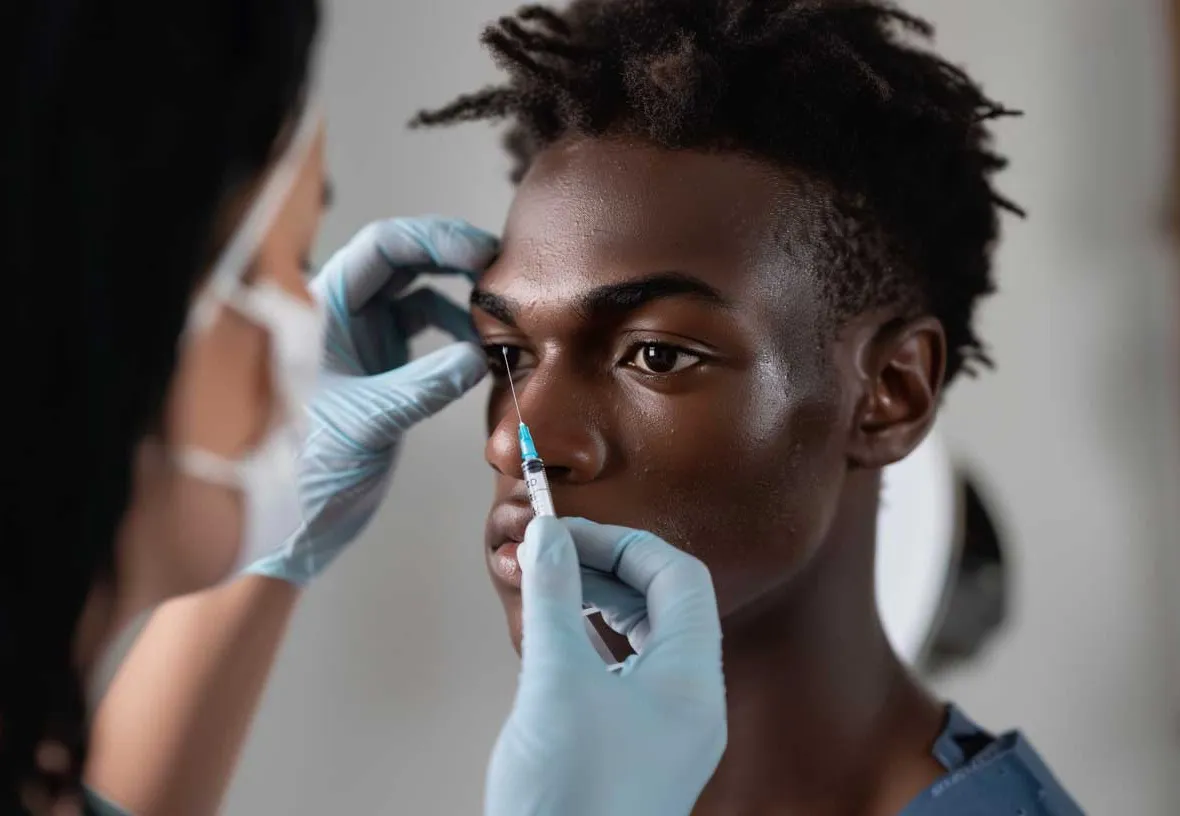
This difference can be explained by a number of factors, ranging from the influence of social media to the way each generation approaches skincare and cosmetic procedures. Doctors and dermatologists say that Generation Z, having grown up immersed in the digital world, is more susceptible to filtered, unrealistic beauty standards. As a result, many young people undergo invasive treatments too early, including fillers and toxins, which can compromise the natural development of the face and, ironically, make them look older than their real age.
Dr Joney de Souza, a specialist in aesthetic medicine, says that easy access to information about cosmetics and beauty trends on social media has driven early consumption of products and procedures. However, this demand is not always well directed, leading to inappropriate choices that can speed up the ageing process rather than prevent it.
Millennials, on the other hand, tend to favour a preventive approach, focused on healthy habits and regular skincare. Consistent use of sunscreen, a balanced diet and regular exercise are some of the reasons given for this group's younger appearance. In addition, Millennials had access to quality skincare products from an early age, but without the same digital pressure that influences younger people.
Experts such as Sophie Shotter and Ross Perry warn that the misuse of anti-ageing products by Generation Z can have negative consequences. Substances such as retinol, for example, are too harsh for young skin and can cause irritation and long-term damage.
Another relevant factor is the impact of different lifestyles. According to Amish Patel, a skincare specialist, habits such as excessive consumption of alcohol, tobacco and processed foods directly affect the appearance of the skin. And, according to recent studies, these behaviours are becoming more common among young people in Generation Z.
The way each generation approaches make-up also contributes to the perception of age. Millennials prefer a more natural look, while Gen Z tend to opt for bolder techniques, such as intense contouring and lip fillers. These choices can sometimes convey a more mature appearance than the real age.
The future of the next generations
Experts warn that concern with aesthetics is emerging ever earlier. Jessica Weiser, a dermatologist in New York, says it is increasingly common to see children from the age of nine seeking dermatological care. Often, these consultations are prompted by parents' concerns, as they try to curb unnecessary or even harmful habits.
Psychologist Becky Kennedy draws attention to another side of this issue: an obsession with appearance can mask deeper emotional problems, especially in young people exposed to social media pressure from an early age.
If, on the one hand, caring for the skin from adolescence can be beneficial, on the other, the early use of inappropriate products and treatments can speed up ageing. The experts' recommendation is simple: basic routines of cleansing, moisturising and sun protection are enough to keep skin healthy without compromising natural youthfulness.
With a new generation already showing great interest in cosmetic care, the question remains: to what extent is the pursuit of the ideal appearance distancing people from true skin health?


