
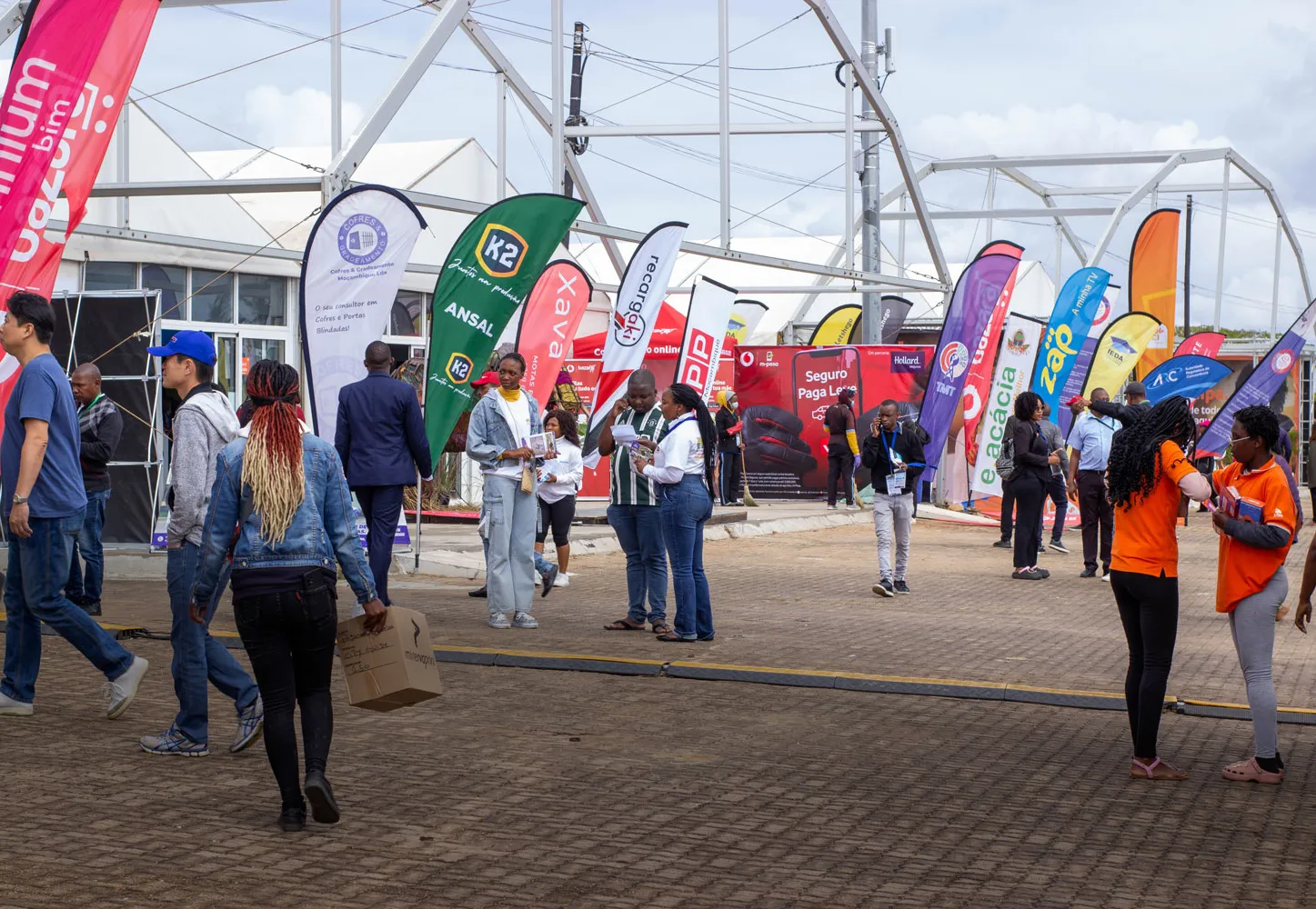
The Maputo International Fair (FACIM) celebrated its 59th edition this year, in a dynamic week in the economic and commercial spheres. Held at the Ricatla International Fairs and Exhibitions Centre, in the district of Marracuene, from 26 August to 1 September, FACIM 2024 brought together more than 3,300 exhibitors from 26 countries, reaffirming its role as one of the largest events for economic and industrial promotion in the country. Under the motto “Industrialisation: Innovation and Diversification of the National Economy”, this edition stood out for highlighting Mozambique's potential as a regional hub and a strategic platform for business partnerships. The event welcomed exhibitors from a variety of sectors, with a particular focus on agriculture and livestock and on manufacturing, presenting the latest innovations and development opportunities.
Development corridors and internationalisation
One of the big highlights this year was the creation of a pavilion dedicated to “Development Corridors”, underlining the crucial role Mozambique plays as a link between port infrastructure and regional markets. This space promoted debates on logistics and port services, which fostered synergies between international and local investors. India, as the guest country of honour, played a central role, marking the strong cooperation between Mozambique and one of Asia's economic giants, while, domestically, the province of Manica, also featured this year, took the opportunity to showcase its development in the local business sector, reinforcing the importance of regional investment.
Growth of small and medium-sized enterprises (SMEs)
Besides the big investors and multinationals, SMEs played a crucial role in this edition of FACIM. The Minister of Industry and Trade, Mateus Magala, stressed that the event was an excellent opportunity for Mozambican SMEs to strengthen their capabilities, innovate in their production processes and explore new markets. FACIM offered a prime platform for these companies to connect with potential international partners, contributing to Mozambique's sustainable economic growth.
Seminars and parallel activities
Another major moment of this edition was the talk by the Museu do Mar on sustainable fishing through aquaculture. About three hundred children from the 16 de Junho Primary School (Grades 1 and 2) in Marracuene learned how aquaculture can ensure food security and preserve marine resources, especially during the closed season for fishing. The educator Nélia Paul highlighted the importance of training “guardians of the sea”, encouraging young people to share their knowledge with their families.
Besides the environmental education initiatives, FACIM 2024 also stood out for discussing urbanisation policies and the contribution of European companies to sustainable development in Mozambique. The European Union ambassador, Antonino Maggiore, emphasised the fundamental role of the private sector, while Simone Santi, of Eurocam, addressed the challenges of the business environment, such as corruption and the need for good urban planning to attract investment and opportunities.
FACIM 2024 served as a platform to boost Mozambique's preparation for EXPO 2025, which will take place in Osaka, Japan. Discussions on Artificial Intelligence and Robotics centred on the importance of showcasing the country's potential at global events.
Innovations and accessibility
The fair's organisers took important measures to ensure accessibility to the event, reducing ticket and parking prices. As a result, around 65,000 visitors passed through the pavilions over the six days, taking part in themed seminars and business forums. Discussions revolved around themes such as industrialisation, investment and the advantages of the African Continental Free Trade Area (AfCFTA), a vital tool for the continent's economic development. This year's fair also saw the debut of the “Industrialisation Pavilion”, a space dedicated to companies in the industrial sector that exhibited technological innovations and industrial solutions to production challenges. This pavilion was one of the highlights of the event, bringing together some of the biggest names in Mozambican and international industry.
Economic impact and a promising future
At the official closing, the Prime Minister, Adriano Maleiane, praised the positive economic impact of FACIM 2024. He highlighted the exhibitors' commitment to improving the quality of “Made in Mozambique” products and services, promoting innovation and the diversification of the national economy. The quality of the products on display and the partnerships formed during the event were pointed to as signs that Mozambique is on the right path towards industrialisation. Maleiane also congratulated the winners of the 17 award categories presented at the fair, encouraging them to keep improving their processes and products and to serve as an inspiration for others to follow the same path of excellence.
The 59th edition of FACIM left an important legacy for Mozambique's economy. By promoting the country as an attractive business destination, strengthening international relations and highlighting the capacity for innovation of national companies, the fair has positioned itself as an engine of growth for the coming years. Now it is up to Mozambican companies and their international partners to turn the opportunities generated by this edition into concrete realities that can contribute to the country's sustainable development. Mozambique continues on its path of industrialisation and innovation, with FACIM playing a central role in building a more diversified and inclusive economic future.


