
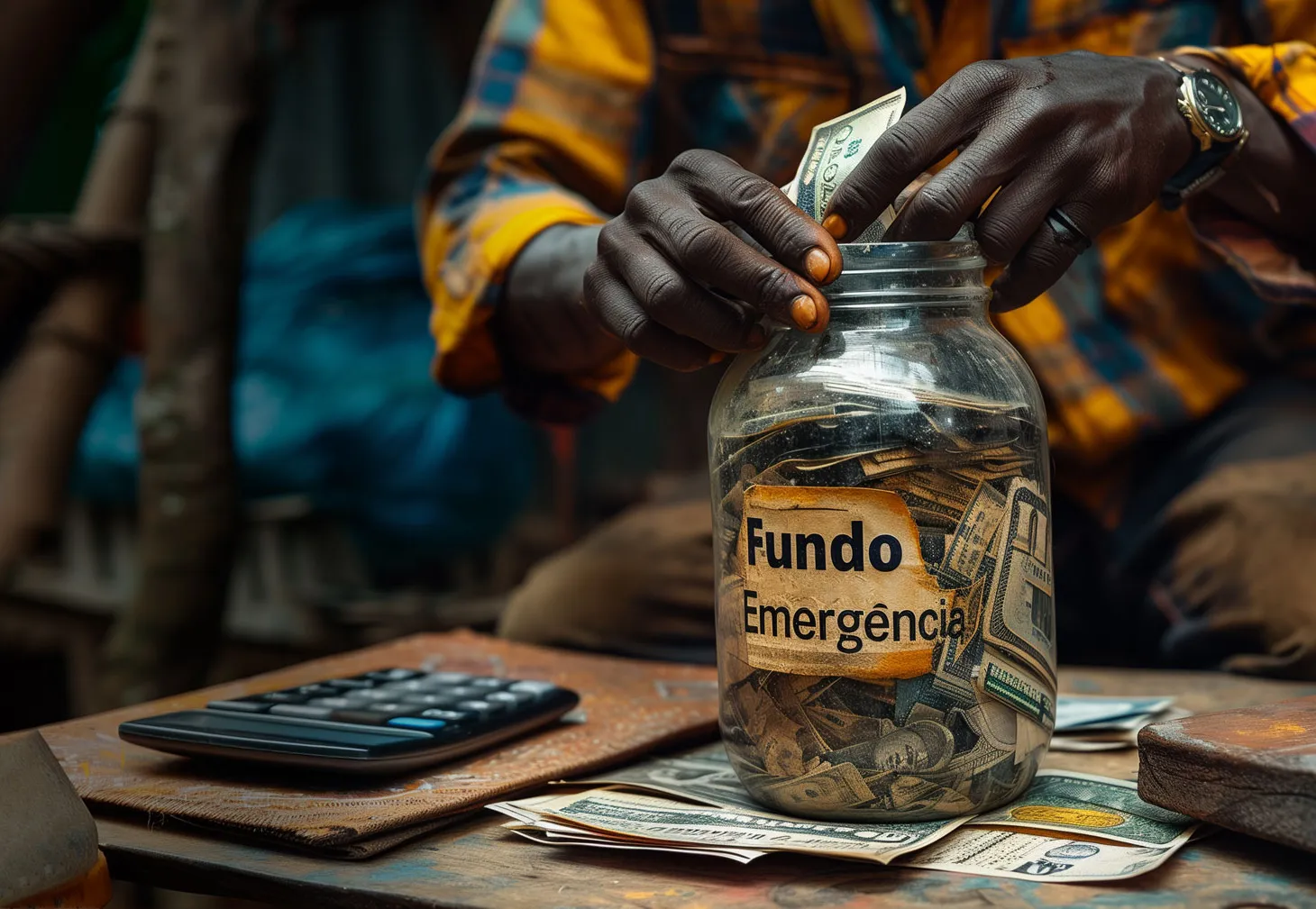
We are already halfway through 2024! Dear reader, have you taken the first steps towards building your emergency fund? An emergency fund is crucial for your financial security, especially in uncertain times like those we are living in today. It protects you from unforeseen events such as job loss, health problems or urgent home repairs.
Mozambique lives in a consumerist and instant-gratification culture of "buy now, pay later". This behaviour, reflected in young people and adults alike, results in heavy use of credit, excessive consumption and minimal savings, increasing social risk. Money Savvy Mozambique is committed to changing this disastrous pattern.
The past three years have been challenging not only for us Mozambicans, but for many people around the world. For the first time in our lives, we faced a global pandemic. Phrases such as "No work, no pay", "pay cuts" and "closure of many small businesses" became commonplace. Although we could not have predicted this pandemic, we can plan for possible future financial threats.
Recognising these threats allows us to mitigate the risks and protect our financial future. Savings and insurance are essential tools to protect yourself and your family against global and personal crises. Many small businesses in Mozambique closed during the first lockdown, leaving many people unemployed and without financial reserves. Those without savings faced evictions and the loss of assets, such as cars, for example.
The importance of an emergency savings account cannot be underestimated. I recommend keeping between 6 and 12 months of living expenses put aside. Life is unpredictable, but we can plan for the worst and hope for the best.
But do you still have time to create an emergency fund this year? The answer is yes! Even if you have not yet started, it is never too late to take the first step.
Here are some examples of tips for starting an emergency fund:
Set realistic goals: determine how much you need to save to cover your essential expenses for a period of 3, 6 and 12 months.
Start with small goals: increase gradually as your income and capacity to save grow.
Create a budget: record all your income and expenses to identify areas where you can cut costs. Prioritise essential expenses and eliminate or reduce unnecessary spending.
It is never too late to start saving. Begin now, even with a little.
Start with what you can. Every small amount helps.
Open a savings account: set up automatic monthly transfers as soon as you receive your salary.
Pay yourself first: prioritise your savings before paying bills and debts.
Include savings in your budget. Make it a monthly habit.
Save at least 10% of your income. Set that goal.
Keep track of your spending, as small changes make big differences: for example, make your lunch at home and take it to work, and save the daily amount; over a year, this can mean 39,000 MZN saved, if we assume you can save 150 MZN over 260 days.
Ask yourself: is it worth buying street food every day?
Start today! Open an emergency savings account and take the first step towards securing your financial safety. Every metical counts, so start saving what you can, even if it is only a little each month. With discipline and planning, you will be building a more prosperous and resilient future.


