
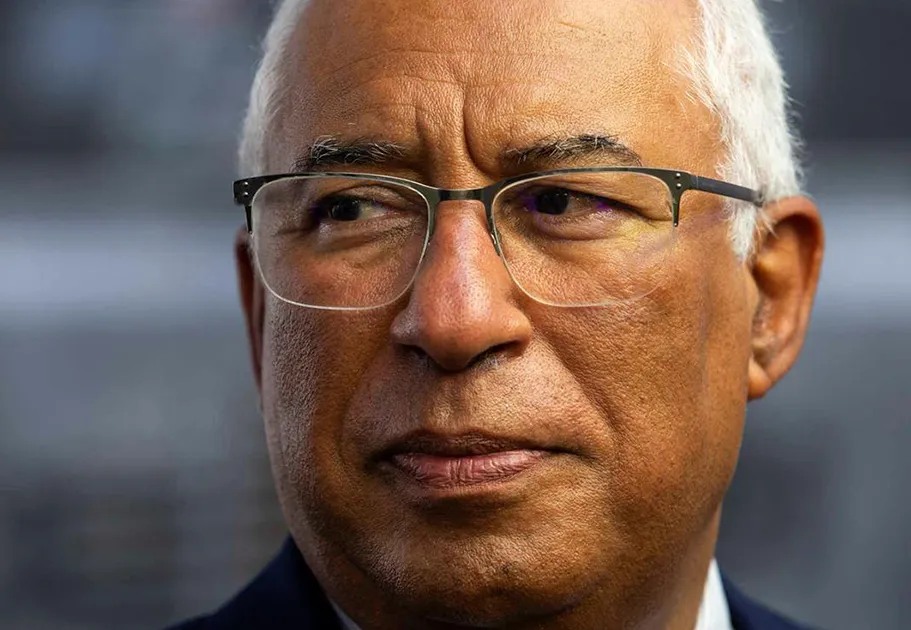
In a sequence of events that shook the Portuguese political landscape, the official residence of Prime Minister António Costa was searched by the Public Security Police (PSP) as part of an investigation into lithium deals in Montalegre. The searches extended to the Ministries of the Environment and Infrastructure, culminating in the arrest of figures close to the head of the executive, including his chief of staff, Vítor Escária, and the consultant Diogo Lacerda Machado.
The operation, which took place yesterday morning, set off a series of events that, by the end of the afternoon, had resulted in António Costa's resignation as Prime Minister. Costa, faced with the gravity of the accusations and the imminence of criminal proceedings, chose to step down from his post, stressing the incompatibility of the dignity of his office with suspicion of any criminal act.
The investigation, which had already been confirmed in January this year by the Attorney General's Office, focuses on suspected influence peddling and corruption, relating to the award of contracts for lithium exploitation and the green hydrogen project. These contracts involved well-known companies such as EDP, Galp and REN, and raised questions about the speed with which Lusorecursos Portugal Lithium obtained the lithium exploitation concession, just three days before the contract with the State was signed.
The situation worsened with the revelation that António Costa had been picked up on telephone wiretaps, discussing the lithium and green hydrogen business with João Pedro Matos Fernandes, then Minister of the Environment. These conversations, which also involved other members of the Government under surveillance, such as João Galamba and Pedro Siza Vieira, were interpreted as potentially compromising.
Faced with pressure and a climate of suspicion, Costa addressed the country, saying he had no exact knowledge of the accusations but reiterating his willingness to cooperate with the justice system. His resignation was promptly accepted by the President of the Republic, Marcelo Rebelo de Sousa, who must now consider the country's next political steps. The outgoing leader, who said he will not stand again for the post, thanked the Portuguese for the trust placed in him during his term, ending his time as Prime Minister with "head held high" and a "clear conscience".
The Attorney General's Office announced that Costa will be the subject of a separate investigation by the Supreme Court of Justice, given his position as a senior figure of the State. Meanwhile, the Minister of Infrastructure, João Galamba, has been named an arguido (formal suspect), together with other prominent figures, in a case that promises to keep producing significant developments in the near future.


