
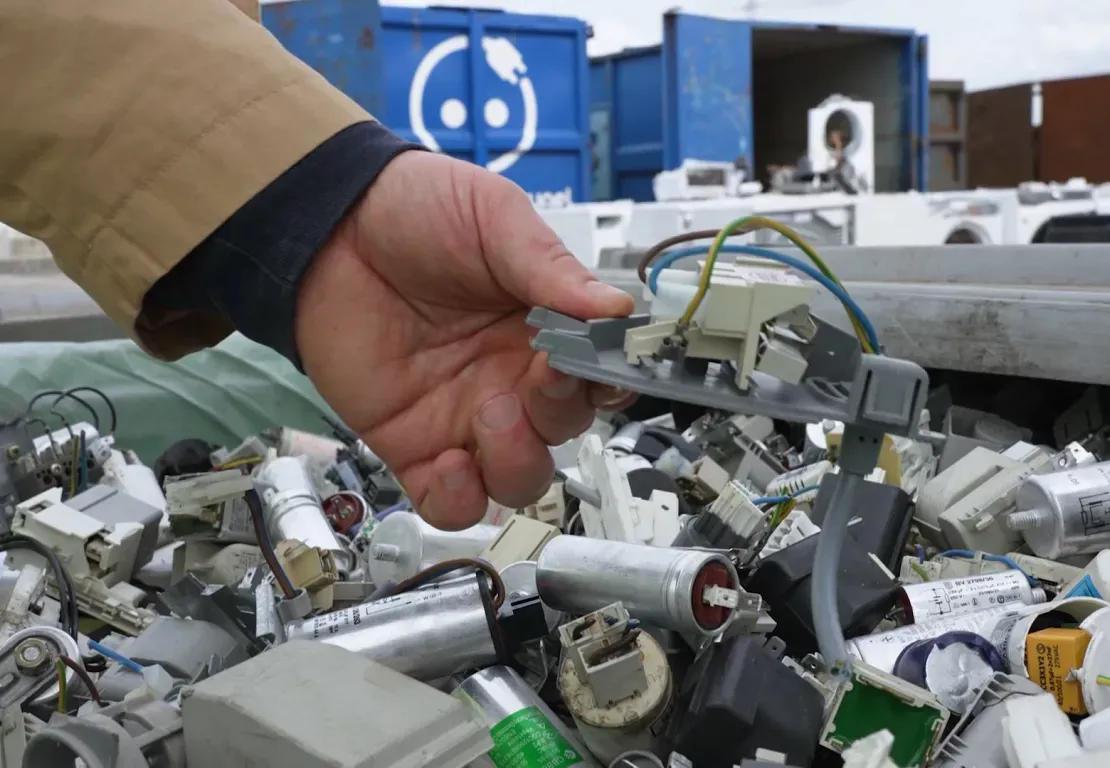
Could the sustainable future of countries such as Mozambique be inspired by a practice that is already gaining strength in Europe? On a continent where the scarcity of strategic raw materials is a growing concern, the European Union has found an ingenious solution within its own waste: urban mining.
This concept proposes extracting valuable metals and minerals from discarded electronic equipment, such as mobile phones, computers and batteries, instead of seeking them underground, as in traditional mining. And there is an impressive fact: it is estimated that there are 700 million old mobile phones stored away in homes across Europe – many of them containing small amounts of lithium, cobalt and rare earth metals, crucial for green and digital technologies.
Mozambique, which faces its own challenges in waste management and technological development, could look at this strategy with interest. Although the reality is different, the idea of reusing what is thrown away as a source of wealth and independence is a valuable lesson.
Currently, 90% of the strategic materials used in the EU are imported, largely from China. To reverse this dependence, the European Union adopted, in 2024, the Critical Raw Materials Act, setting a target of recycling 25% of these materials by 2030 – a significant leap from the current 1% coming from recycling.
This shift reflects a vision of the future based on the circular economy, where waste is seen not as an end, but as a new beginning. For Mozambique, where electronic waste is growing with no proper destination, urban mining could be a sustainable and strategic alternative, combining environmental preservation with the generation of economic value.


