
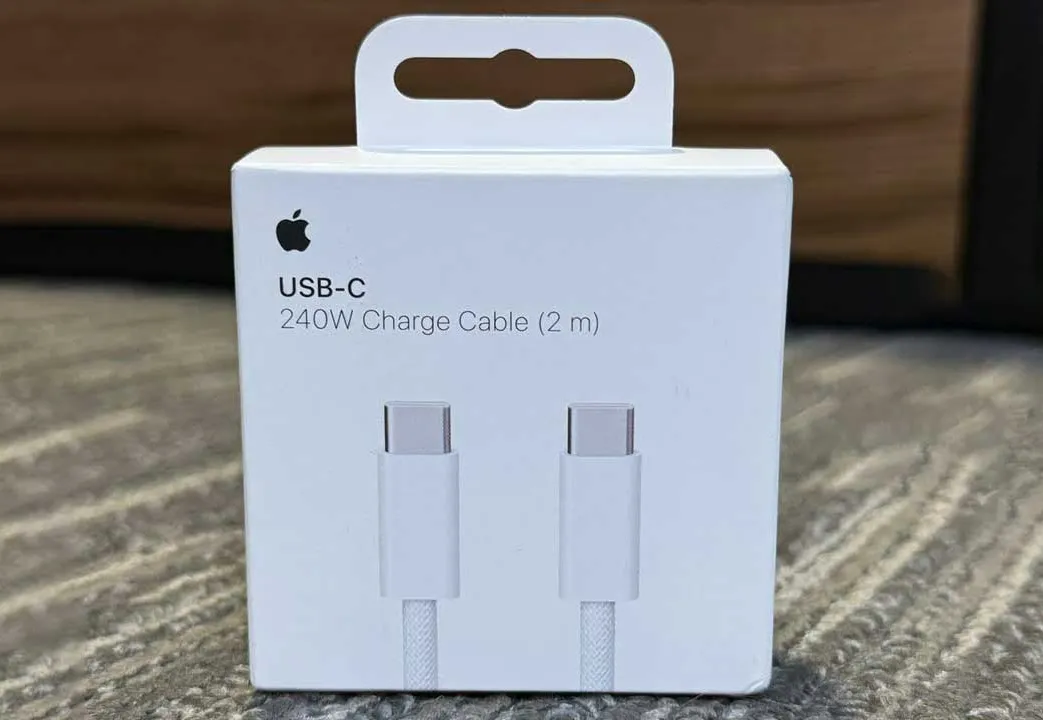
Apple's latest USB-C cables, adopted since the launch of the iPhone 15 and found in other devices from the brand, are under scrutiny following the revelation of a vulnerability that, although technically complex, has reignited the debate on digital security.
Cybersecurity researcher Thomas Roth has shown that the ACE3 chip — a component embedded in Apple's official cables and ports — can be the target of advanced attacks. The technique, tested in a laboratory environment, made it possible to extract the chip's firmware and showed that it would, in theory, be possible to inject malicious code.
To exploit this flaw, Roth used sophisticated methods such as electromagnetic fault injection, a process that requires highly specialised equipment and advanced technical knowledge. According to experts, this makes the immediate risk to users practically nil. To date, there is no record of the vulnerability having been exploited outside a research context.
In contrast, USB-C cables from other brands do not include authentication chips and are therefore not subject to this specific type of attack. However, they still pose security risks, especially if they are poor quality or have been tampered with.
Apple, for now, remains silent in the face of this revelation. Meanwhile, experts recommend caution: use only certified cables, avoid equipment of dubious origin and do not connect devices to public or unknown ports.


