
During April, the month dedicated to women, BCI promoted a set of initiatives that reinforce its commitment to inclusion, women's empowerment and sustainable development, through activities that combined reflection, culture and social impact.
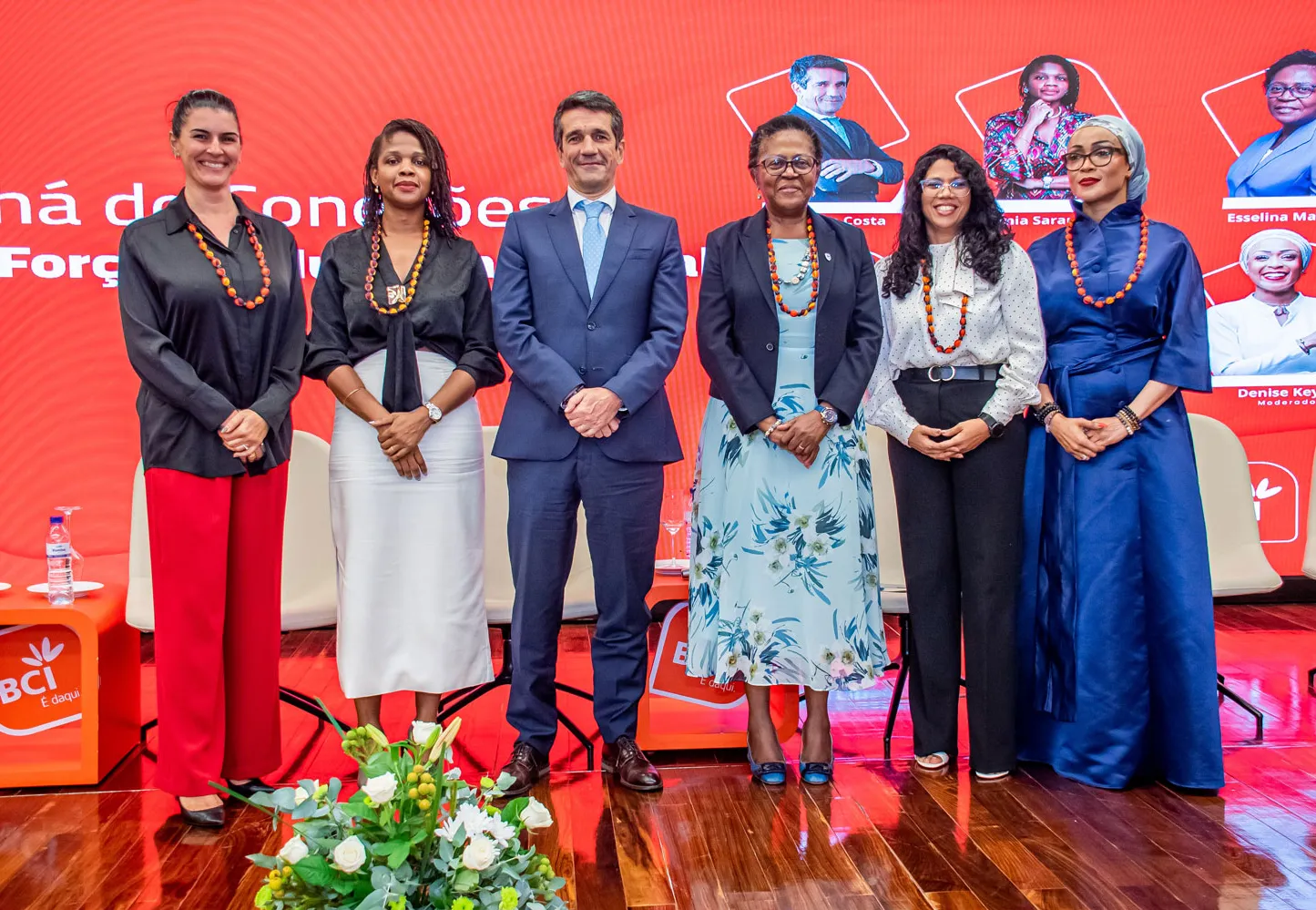
One of the most prominent moments was the 2026 edition of “Chá de Conexões” (“Connections Tea”), held in Maputo under the theme ‘Entrepreneurship, Connection and Growth: The Power of Women in the Digital World’. More than a simple gathering, the initiative established itself as a platform for sharing, inspiration and capacity-building, highlighting the role of women in the digital economy.
In the opening session, BCI's Chairman of the Executive Committee, Francisco Costa, stressed that digital is today a determining factor for economic and social progress. Stating that “one cannot talk about women's empowerment and entrepreneurship in the twenty-first century without integrating digital”, he highlighted the urgency of preparing women for a rapidly changing economic environment, where technology sets the pace and the opportunities.
This view was underlined in the panel that brought together several women leaders, in a dialogue that showed that digital entrepreneurship requires not only access to technology but also skills development, digital literacy and consistent institutional support.
Among the event's high points was also the presentation of the Electric Vehicle Campaign for Women, developed in partnership with Epsilon Energia, with the aim of promoting sustainable mobility solutions and creating economic opportunities. The event also included a charity auction in aid of the Renascer Association, reinforcing its social dimension.
Culture also had a prominent place, with poetry, music and dance, as well as the launch of the second edition of the exhibition “Mulher é Arte” (“Woman Is Art”), a vibrant celebration of women's talent in the visual arts. The show brought together works by Ilda Semmedo, Lizzie Ana, Dora Chipande, Manuela Madeira (Manu), Nafeesah Allen, Jéssica Jane (Jesse Jane), Sandra Pizura and Benedita Filipe (Bena Filipe). With diverse styles and languages, the artists presented a multifaceted portrait of women, enriching the Mozambican cultural landscape.
Another standout moment of the April celebrations was the memorable “Festival das Mulheres Moçambicanas” (“Mozambican Women's Festival”), held at the António Repinga Fitness Circuit, which brought together thousands of women in a great celebration of joy and inclusion. In a vibrant atmosphere, coloured by BCI's orange, artists such as Marllen, Yolanda (of the Kakana Band) and Anita Macuácua livened up a celebration that went far beyond entertainment.
With free admission, “Mahala” meals and BCI capulanas given out, the festival established itself as a significant act of social inclusion. Not even the rain dampened the participants' enthusiasm; instead it symbolised the resilience and strength of Mozambican women.
By marking Women's Month with a broad and impactful programme, BCI reaffirms its position as an institution committed not only to financial development but also to promoting opportunity, inclusion and social progress, recognising women as an essential pillar of Mozambique's growth.


