
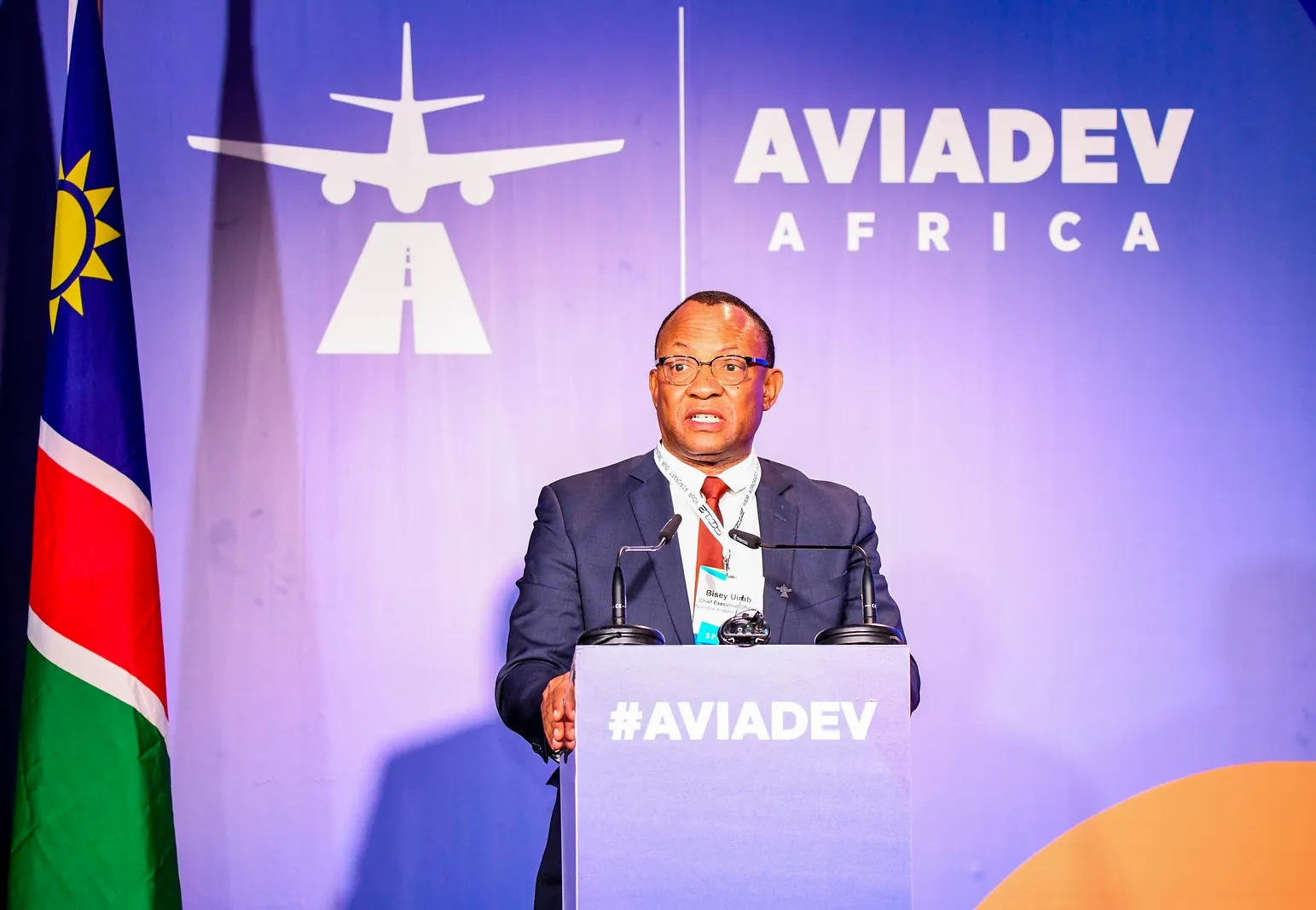
The African continent faces major challenges when it comes to air connections between cities and countries, in contrast with other regions of the world. The vast size of most African countries makes this issue even more complex. In addition, there are various obstacles to rapid growth in the aviation sector, such as a lack of adequate infrastructure, technological shortcomings and socioeconomic factors.
Faced with these challenges and growing demand, the sector’s main players have joined forces to create AviaDev, an Africa-focused aviation development forum that brings together industry leaders, airlines, airports, government authorities and other stakeholders to explore opportunities for growth and development in the aviation sector on the continent. The event includes conferences, exhibitions and networking meetings, with the aim of increasing air connectivity in Africa, attracting investment and fostering strategic partnerships. This platform is recognised as crucial for discussing challenges and identifying solutions for the development of African aviation.
With a vision of a promising future, the forum brings together the brightest minds and the latest advances to foster a thriving community dedicated to pushing the limits of what is possible in the skies. At the forefront of shaping the next generation of aviation, the event spans everything from innovative technologies to sustainable practices, aiming not only at the act of flying but at reaching new heights. Results of this initiative can already be seen, such as the creation of new international routes and the reactivation of previously discontinued routes, linking important African hubs such as Nairobi in Kenya, Kuala Lumpur in Malaysia, and Maputo.
Traffic rights allow an airline from one country to carry passengers from a third country to another destination, a type of agreement that is common in many countries. The opening up of airspace and the granting of these traffic rights show that closer cooperation between air operators can simplify operations in the face of current challenges, easing the traveller experience and boosting tourism growth.
The report by the International Air Transport Association (IATA) highlights the growing and consistent demand for air transport services in Africa, which represents a significant opportunity for the growth and development of the aviation sector across the continent. Growing demand establishes a solid basis for developing more efficient and reliable air travel options, responding more effectively to passengers’ needs.
Mozambique is well placed to take advantage of its comprehensive infrastructure, which includes airports in every province, as well as its diverse tourist and economic attractions. These factors create a favourable environment for attracting investment in the aviation sector, which can contribute significantly to job creation and revenue generation for the country.
João Carlos Pó Jorge, widely recognised for his extensive experience in the aviation sector, was invited to share his perspective on this complex and distinctive industry. Over a career spanning several decades, he has led transformative initiatives that have driven the development of aviation in Mozambique and across Africa. His strategic vision and commitment to excellence have been fundamental to the modernisation and expansion of the sector, positioning him as a leading figure on the African aviation scene. In this interview, he explores the reality behind AviaDev and its impact on the development of aviation on the continent:
To begin with, could you give us an overview of AviaDev and its objectives?
AviaDev began in 2017, to meet the need to establish intra-African connectivity, focusing on culture and tourism on the continent. It is based on centring the design of networking on African entities, with partners and providers from all over the globe. Its structure rests on a format conducive to networking, with a well-planned and rigorously monitored agenda, which ensures the success of information exchanges and negotiations. The event promotes local tourism and always has a focus on social support and on developing projects that promote the inclusion of young people in aviation.
What are your expectations for this year’s edition of AviaDev?
AviaDev Africa 2024 in Windhoek emphasised and encouraged the opening of new destinations in Africa, essentially with African operators, but also with others from outside the continent. It highlighted the importance of training young future managers and professionals who will ensure the continuity and growth of aviation on the continent. We cannot account for 20% of the world’s population and carry only 2% of the traffic, especially with so much to offer.
How do you see the impact of political influence on the aviation sector in Africa?
Politics is always an important point in the themes of AviaDev Africa. Developing the economy and establishing broad and solid middle classes is a pillar that enables and stimulates the establishment of connectivity, which in turn accelerates the economies between the destinations concerned. Politics is vital when it stimulates and supports the development of the industry, without interfering directly in operations and trade. The speech by His Excellency the Deputy Prime Minister of Namibia was highly encouraging for this environment in the industry. The example of the Ethiopian government’s stance, with appropriate policies and no direct interference in its relationship with Ethiopian, is an example that has resulted in a world-class African airline, with a presence that covers the planet and serves the whole of Africa.
With regard to bilateral agreements, what role do they play in the context of African aviation?
Bilateral agreements no longer carry the weight they once did, and there are now several designated operators without restriction. The African continent needs air connectivity between regions and between hubs outside the continent. SAATM, the decision to open African airspace to the continent’s operators, to which Mozambique is a signatory, overrides bilaterals, opening the way for fifth freedoms, in which an operator from a third African country can operate a route between two destinations in two countries. LAM, for example, flies between Harare and Lusaka with traffic rights. Ethiopian does this as common practice.
How does the pan-African context influence the development of aviation in Africa?
The African Union has given immense support in strengthening connectivity in Africa. It is part of its Agenda 2063 vision to create a single African airspace and a common regulatory environment. This allows great mobility and reach for all African operators and professionals across the continent. With this comes a great deal of economy of scale, with a possible reduction in costs for the consumer. This exists throughout the European area.
How important is technological development for the future of aviation in Africa?
Africa and Africans shine when it comes to adopting or developing technology, as long as it is accessible and useful. Look at mobile phones and their payment platforms. In aviation, technological development will bring lower operating costs, which will increase the number of users, reducing those costs even further. Electric or biofuel-powered drones will proliferate and make it possible to reach places with neither road nor airport, preserving the biodiversity we so want to conserve.


