
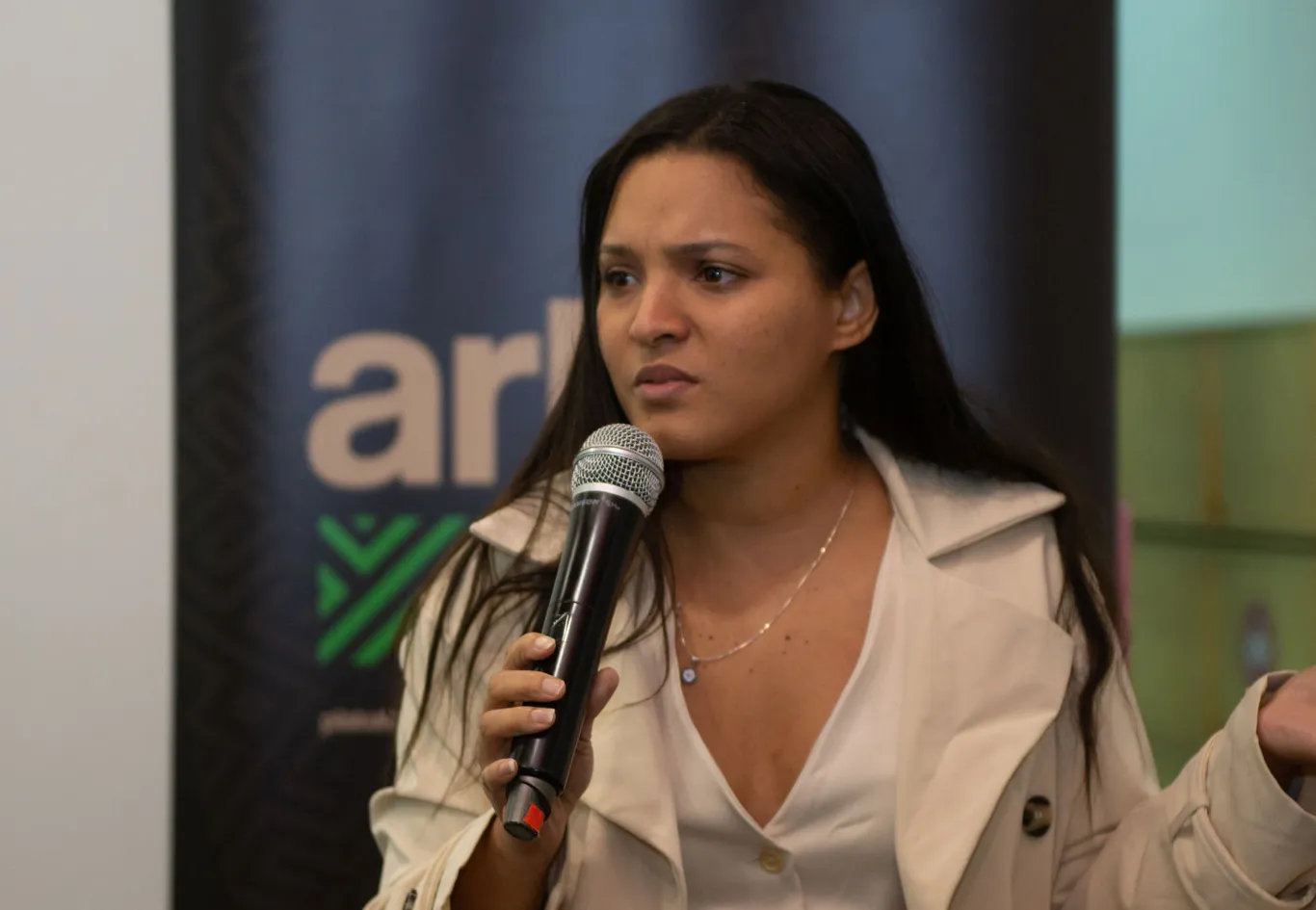
From 3 to 8 July, Maputo hosted the second edition of ArtinDev Week, a multidisciplinary festival organised by the creative economies development platform ArtinDev, which made culture an act of active citizenship. Under the direction of Lisandro Jordão and with the motto “Creativity with Impact”, the event once again demonstrated that art can be more than aesthetics: it can be a tool for transformation, provocation and the building of futures. For six days, the city was taken over by film screenings, concerts, workshops, exhibitions and discussion circles that brought together more than 10 panellists, speakers and local and international artists, and attracted hundreds of visitors, from adults to children, from cultural centres to schools, around a common goal: to advance the Sustainable Development Goals (SDGs) and Human Rights through artistic creation.
Art as a language of intervention
The ArtinDev Week programme was carefully designed to respond to pressing issues in Mozambican and global society. From mental health to gender equality, from justice to climate action, the festival positioned itself as a platform for creative advocacy, where every form of expression carried deep intentions. Among the most striking strands, cinema took a central role with themed “impact cinema” sessions, screened in partnership with Netkanema. At the Camões Institute, the festival kicked off with short films by young students from Lusófona University, addressing youth as a creative agent and a subject of rights. At Casa Velha, the following days brought films such as Vândalos, 18 de Março and Cliché, which dealt with everything from social cohesion to LGBTQIA+ identity and the rights of people with disabilities. To close, the Embassy of the Netherlands hosted the ArtinDev Exchange debates, with documentaries that crossed geographies and languages — such as the Botswanan Baratani: A Colina dos Amantes, discussed by the producer Tricia Sello, or the Mozambican Silêncio Quebrado, discussed by the journalist Nair Bastos.
Music, fashion and education: art as the building of meaning
On the music side, two concerts at Casa Velha gave voice to urgent causes. May Mbira's blend of ancestral and contemporary sound drew the audience into a celebration of cultural identity, while Denilson L.A brought to the stage, and to the audience's awareness, the harmful impact of badly resolved romantic relationships on young people's mental health, in a show of empathy and release. ArtinDev Academy, the training arm of the platform, stood out as a space for building the skills of young creators. The Brazilian producer Ana Camila Esteves led a masterclass on the African presence at international film festivals. On the Mozambican side, Lenna Bahule and Ivandro Maocha opened the doors to the backstage of music composition. And Louiggi Junior, in an exercise between fashion and cinema, showed how costume contributes to the symbolic design of characters, in a masterclass held at Orange Corners Maputo.
Listening, debate and commitment
The festival was not limited to passive enjoyment. The discussion circles brought delicate subjects to the surface, such as child sexual violence — in an exercise in listening led by Nair Bastos after the screening of Silêncio Quebrado. In collaboration with the CRIARTE incubator, there was also a discussion of the role of education in placing women in traditionally male professions, in a frank conversation with Carla Seleça and Adelaide Machele. The visual dimension also had its place in the spotlight. The exhibition Green Art Can Make a Change, by the artist Chaná de Sá, combined waste with artistic creation to question our role in the environmental crisis. And Gift Tattoo Studio challenged the body as a canvas of affirmation, offering tattoos with messages linked to sustainability and human rights.
A collective stage for the future
ArtinDev Week 2025 was produced by Nuprattu, co-produced by Netkanema and CRIARTE, and had institutional support from the international organisation Movies That Matter, the Camões Institute and the Embassy of the Netherlands. The festival closed by reaffirming what has driven it from the start: art as action, as denunciation and as proposal. By bringing together artists, activists, academics and communities in experiences that challenge common sense, the event established itself as a space where culture is not an accessory, but a foundation for change. In every session, performance or debate, one appeal made itself heard: that creativity should not be exhausted by aesthetics, but should become transformative practice. ArtinDev Week once again proved that art can be, indeed, one of the most promising paths to sustainable development.


