
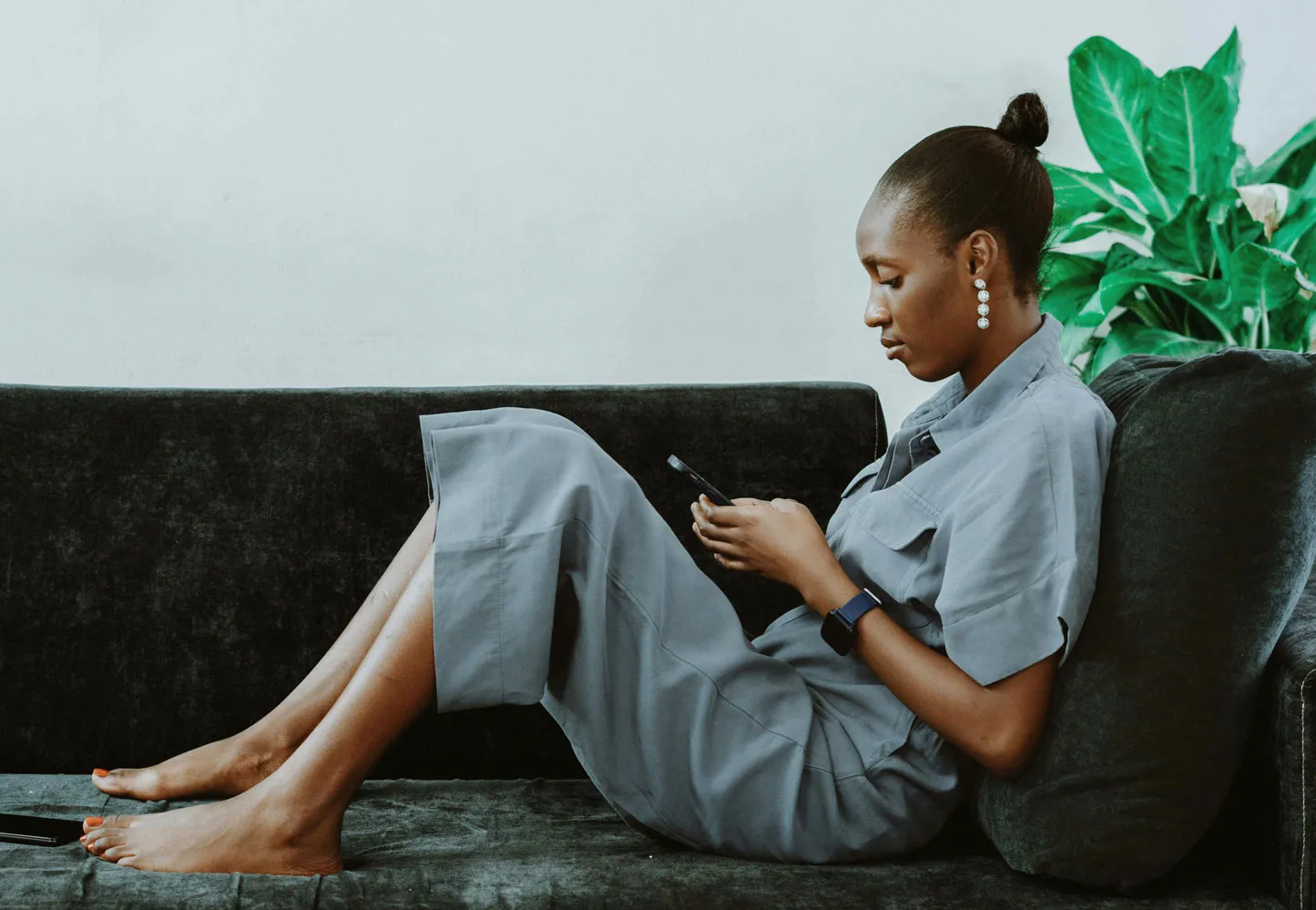
There is a persistent misconception in the digital world, that there are “apps for women”, as if the female world were a limited category. It is not. What exist are tools that keep pace with demanding rhythms, constant decisions and lives in transformation. From Maputo to New York, from students to business leaders, the mobile phone has become a space for organisation, reflection and growth. And some apps stand out not because of marketing, but because of their real impact on everyday life. This is a global selection: broad, useful and, above all, relevant.
Organisation and focus: when chaos needs structure
Some days everything happens at once. Work, family, personal projects. This is where tools such as Todoist, Notion or Trello come in, allowing you to organise tasks, set priorities and turn ideas into action. What is interesting is not just the to-do list, but the feeling of control. Knowing what to do, when to do it, and what can wait. Apps such as RescueTime go even further, showing where time is being lost and helping to regain focus in a world full of distractions.
Growth and leadership: learning non-stop
Professional development no longer depends on training rooms. Today, it fits in your pocket. Apps focused on leadership and learning let you take in knowledge in small chunks, ideal for busy routines. Whether through courses, podcasts or short content, the common point is simple: to keep evolving, even without the “ideal” amount of time.
Wellbeing and body: technology that cares
The body has also entered the digital equation. And rightly so. Apps such as Clue or Glow help millions of women track their cycles, fertility and intimate health based on data. In fitness and nutrition, platforms such as MyFitnessPal or Sweat show that wellbeing has stopped being abstract and has become measurable, adaptable and accessible. It is not about perfection. It is about awareness.
Mind, habits and balance: small changes, big impact
The new generation of apps has grasped something essential: productivity is not just doing more, it is living better. Tools such as Habitica turn tasks into a game, creating motivation through small daily challenges. Others, such as Tiimo, help structure routines in a more human way, adapted to different rhythms. And there are also apps focused on mindfulness and habits, increasingly present in the daily lives of those seeking consistency and balance.
Relationships and identity: new ways of connecting
Even social dynamics have changed. Platforms where the woman starts the conversation show a clear shift: more control, more safety, more autonomy. It is not just about dating. It is about redefining roles.
No app changes a life on its own. But some make decisions clearer, routines lighter and goals more achievable. Ultimately, they are not “apps for women”. They are tools for those who are building, every day, a life with intention. And perhaps that is what unites them.


