
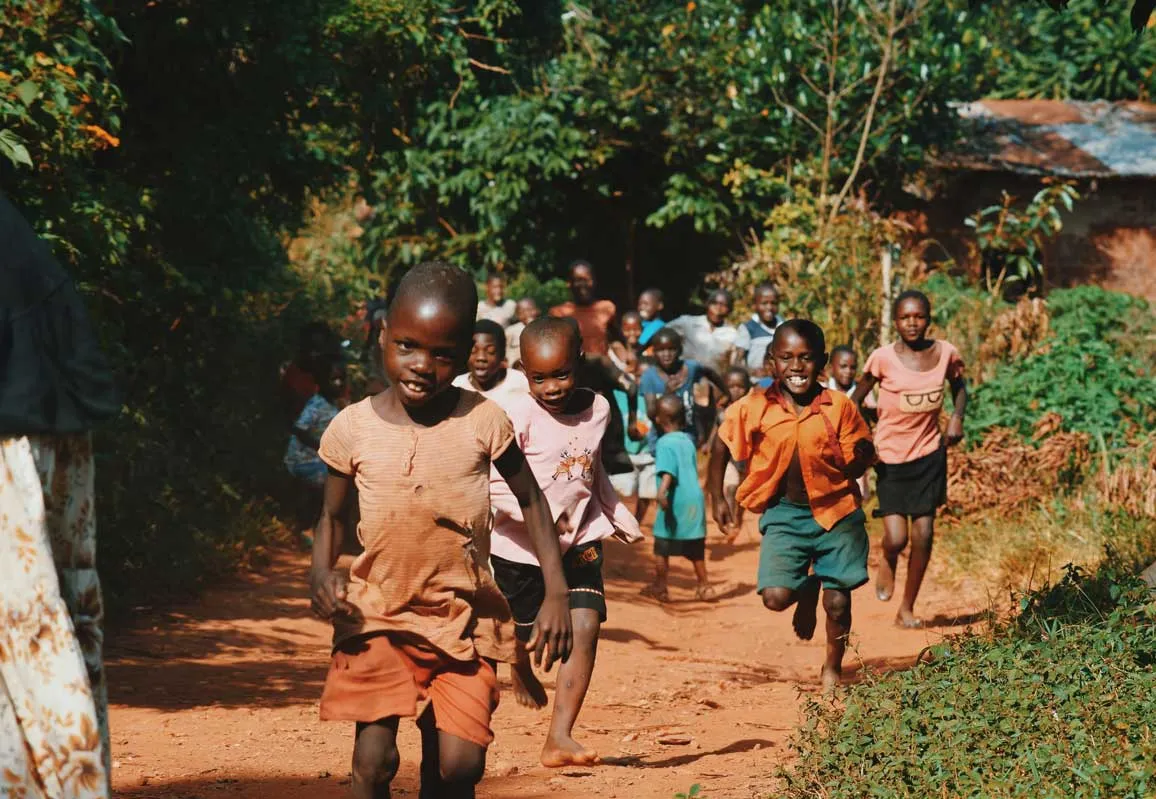
Rural tourism
an opportunity in Mozambique
Written by: Neyde Cuna
New year. New expectations. New challenges.
Plenty of optimism lies ahead, especially after the analysis by the World Tourism Organization's panel of experts, which signals a possible recovery of tourism worldwide this year, driven by demand, above all during the second and third quarters, with prospects of returning in 2024 to what it was before the pandemic.
We all turned to domestic tourism; this, in fact, is what contributed to the survival of the sector in Mozambique. Our country, with a great deal of natural beauty and known for sun-and-beach tourism, has about 31 million inhabitants, 65.08% of whom (according to the INE) live in rural areas, with agriculture as the most significant economic activity. These characteristics create a perfect setting for investment, as well as an excellent opportunity to diversify our tourism by betting on rural tourism, something that could be a very important step for the future and even for a greater and better recovery.
Rural tourism allows genuine contact with nature and with farming, which makes possible greater interaction with the local community, with rural ways of life, traditions and customs, as well as taking part in traditional festivals such as Gwazamuthini, among many others. It is a way of having new experiences, seeking new knowledge and know-how, escaping the routine of urban life and the stress of the everyday, and resting physically and mentally.
Rural tourism makes it possible to improve the quality of life of rural families, and is an alternative way of increasing public revenue and, above all, of empowering Mozambican women, who are the main producers in the activities of this type of tourism
During the pandemic, beaches were closed, and this other kind of contact with nature is always another way of boosting earnings, as well as allowing us to rediscover the simplicity and beauty that the Mozambican countryside offers. It is a leisure opportunity for tourists and also a chance to be in direct contact with the production of our most valuable products, such as the famous cashew nut, rice, sugar cane and coffee, and to eat fresh produce straight from the source.
As well as valuing rural practices, which are also our wealth and a source of Mozambican pride, restoring the self-esteem of the farming man, creating jobs and improving the quality of life of rural families, rural tourism is an alternative way of increasing public revenue and, above all, of empowering Mozambican women, who are the main producers in the activities of this type of tourism. Areas to invest in? We have many, and Manhiça is a great example!
Obviously, investment has to be made in basic infrastructure and services, which requires planning by the public authorities and private initiatives, or both together, with the local community or farmers in developing strategies and technology. But it is worth it; we have immense potential!


