
Tourism, one of the most impactful industries in the world, faces unprecedented challenges. The COVID-19 pandemic, armed conflicts and the national and global socio-political situation have exposed the sector's fragilities, accelerating the need for rapid transformation. In this context, the concept of regenerative tourism emerges, an innovative and sustainable approach that seeks not only economic recovery but also the regeneration of the ecosystems and communities that host visitors. This article explores ways of revitalising tourism, presenting models and success stories in Sub-Saharan Africa and elsewhere in the world.
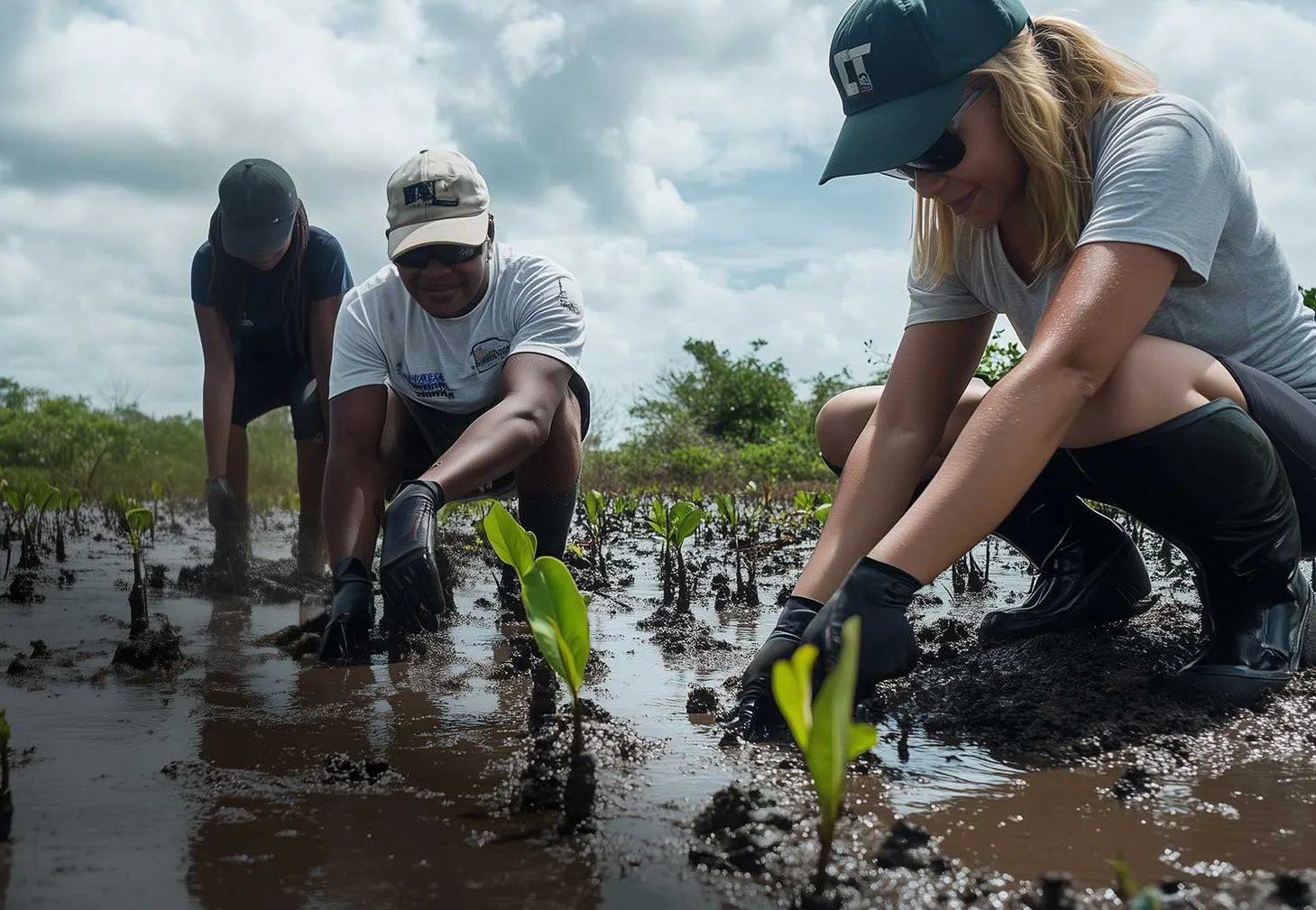
Regenerative tourism goes beyond sustainability, promoting the improvement of natural and social environments. The focus is on the regeneration of resources, the well-being of local communities and the restoration of ecosystems. More than minimising negative impacts, this model establishes a relationship of interdependence between tourists and local communities, making visitors agents of positive change. Immersion in local cultures is fundamental, encouraging the experience of authentic traditions and ways of life. Beyond conservation, tourists can take part in reforestation projects, beach clean-ups and the restoration of natural habitats, fostering greater environmental awareness.
Globally, the concept of regenerative tourism has been gaining momentum. Revitalising tourism requires a multifaceted approach, including community participation, adaptation to climate change, product diversification and the implementation of regenerative practices. Examples in Sub-Saharan Africa and elsewhere show that, with innovation and collaboration, it is possible to turn crises into opportunities for growth and sustainable development.
Community-based tourism has proved an effective strategy, ensuring that economic benefits are distributed fairly. In Tanzania, initiatives in Zanzibar and Ngorongoro promote sustainable tourism and cultural preservation. At the same time, countries such as the Maldives are adopting innovative measures to mitigate climate impacts, including building sustainable resorts and promoting ecotourism. In Sub-Saharan Africa, cities such as Lagos and Nairobi are investing in infrastructure and security to attract tourists, while cultural events and festivals boost urban tourism. Costa Rica implements regenerative practices to preserve its rainforests and biodiversity, and Iceland is betting on diversifying its tourism products, such as winter tourism and viewing the northern lights, reducing seasonality.
Mozambique, with its diversity of ecosystems, has great potential for regenerative tourism. Initiatives that support the conservation of marine and terrestrial areas can promote biodiversity and revitalise the local economy. For these initiatives to be truly regenerative, a joint effort between government, tourism companies and local communities is essential. By transforming the way tourism is practised, Mozambique can become a global example of responsible tourism, building a legacy that respects the land and the people who live on it.
Community involvement is crucial. Regenerative tourism allows residents to take an active part in managing tourism, creating economic opportunities and promoting appreciation of their cultures and traditions. Through ecotourism initiatives, visitors are encouraged to contribute to habitat rehabilitation and the adoption of sustainable practices. Several organisations already run ecotourism programmes in nature reserves, such as Gorongosa National Park, generating revenue that is reinvested in conservation and community development.
On Mozambique Island, community-based tourism has been gaining prominence, with visitors taking part in cultural experiences, such as local gastronomy and handicrafts, contributing directly to local economies. Marine conservation programmes, such as beach clean-ups and species monitoring, help protect coastal ecosystems and foster responsible tourism.
Despite the opportunities, Mozambique faces significant challenges, such as the lack of adequate infrastructure, the need for training in sustainable tourism and the management of natural resources. Collaboration between government, NGOs, tourism companies and communities is essential to overcome these obstacles.
Regenerative tourism has the potential to transform the Mozambican tourism sector, delivering economic and social benefits while protecting and restoring the environment. The key to success lies in the collaboration and commitment of all the players involved, ensuring that tourism is a regenerative and enriching experience for everyone.
In the next issue we will explore regeneration from the point of view of strategic positioning, highlighting innovative initiatives and practices for a sustainable future in tourism. Don't miss it!


