
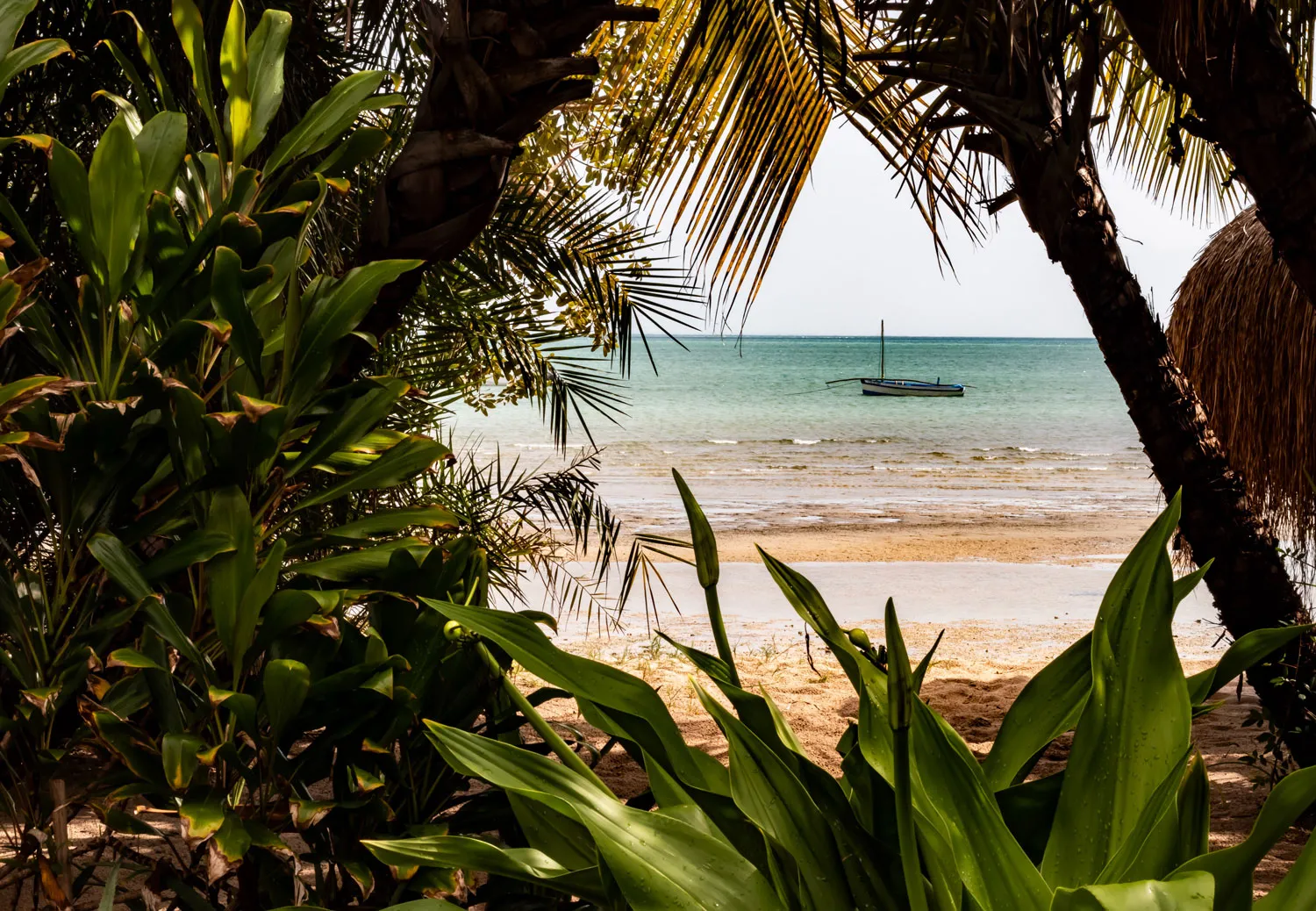
The path to sustainable tourism
Written by: Neyde Cuna
Much more than just the idea of visiting historic, exotic, idyllic places or tropical beaches, tourism is one of the most important economic sectors in the world, moving billions of people every year. It is therefore important that its development takes into account current and future environmental, economic and social impacts.
With the intention of promoting and developing tourism in Mozambique more and more, it is right to pursue a kind of tourism capable of benefiting and meeting the needs of present and future generations, sustainable tourism. One that preserves, that conserves and that protects. One that is good for everyone, both for those who visit and for those who are visited. One that protects the environment and biodiversity, improves the economic conditions of the local population and respects the culture and values of the different communities. Only then will it be possible for the places visited today to exist for many years, with their natural and cultural beauty intact.
“With the intention of promoting and developing tourism in Mozambique more and more, it is right to pursue a kind of tourism capable of benefiting and meeting the needs of present and future generations, sustainable tourism”
Besides governments’ public policies and assertive action by some companies, there are some simple practices that each of us can follow in order to become more conscious tourists, because sustainability is not about a niche, but about each individual’s attitudes towards the destination they visit, namely the following:
• Support local businesses, prioritise buying local products and services to stimulate the economy, buy “souvenirs” from local craftspeople. For example, in Mozambique, we have the “Compra nosso” movement, which aims to raise society’s awareness in this regard.
• Make rational use of energy and water, whether tap water, swimming pools, jacuzzis and the like. For example, in accommodation establishments, avoid constantly changing the bed linen and towels of the same guest.
• Avoid the use of plastic, as it is a threat to the health of the planet, especially the oceans and marine life.
• Choose suppliers (hotels, restaurants, transport, etc.) that have sustainable practices. For example, check whether they have sustainability labels.
• Select tourist sites that value history and culture and do not have a negative impact on the environment. For example, at tourist attractions involving animals, make sure that those animals are well treated.
• Do not pollute. Do not let litter interfere with the wellbeing of the environment, and always dispose of it in the proper places.
An important point is that whenever you go to a different area or region, trying to learn a few words of the native language is a way of valuing the region’s culture and building lasting bonds. Trying its food and getting to know its stories is a way of honouring the local community. It is not big initiatives but individual participation that makes the difference to a promising future.
This unprecedented crisis brought by Covid-19 has had one positive effect on the environmental pillar, which was a reduction in pollution around the world. The air became cleaner and water quality improved. May this be a further incentive for more companies operating in the tourism industry to embark on an environmentally sustainable model, always identifying low-impact options.
Sustainable tourism is important precisely for these reasons, because it shows that it is possible to have fun and fully enjoy a trip, a destination, while maximising the positive impacts and minimising the negative impacts on nature in general or on the ecosystem of the chosen destination. But, above all, opting for sustainable tourism serves to make all of us aware of our part in a more prosperous and beautiful reality. What matters most about a trip is that the person returns with a good feeling, that the trip has had meaning and that it has been tourism with a purpose, undertaken with a conscious eye. An authentic experience, in which the tourist forms an emotional bond with the place, returning with richer baggage and having left good things behind, improving the lives of the people and the place they visited.
Always choose sustainable, responsible and conscious tourism. It is good and it is beautiful, it is xonguila.


