
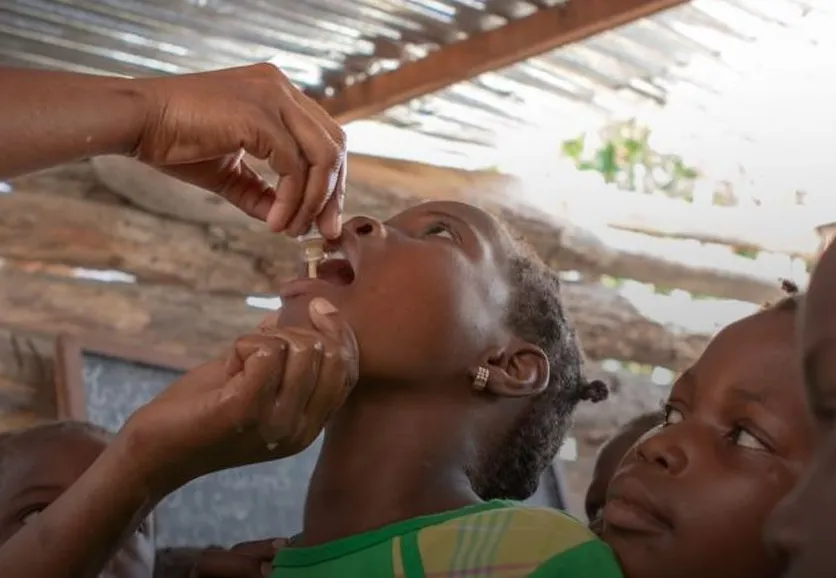
The cholera plague that has beset us has, regrettably, already claimed the lives of 141 Mozambicans since last September. The total number of infected has risen to close to 32,000, which translates into a relatively low overall mortality rate of around 0.4%. Nevertheless, the seriousness of the situation cannot be ignored, given that this is a disease which, although it can be combated with treatment and prevented by vaccine, has proved fatal.
Half of the cases have occurred in Zambézia province, which is still suffering the aftermath of the terrible Cyclone Freddy that struck the region last February and March. Of all the regions, it is in this province that the highest number of deaths has been recorded, with 38 fatalities so far.
Cholera causes violent bouts of diarrhoea and, although treatable, can lead to the fatal outcome of death from dehydration if not properly contained in time. The disease is largely spread through the consumption of contaminated food and water.
Mozambique, unfortunately, is on the list of countries most affected by climate change, a circumstance that heightens the vulnerability of the infrastructure and services essential to preventing the disease.
At the same time, the World Health Organization (WHO) recently warned that, by 2025, the world could face a shortfall in the supply of cholera vaccines. This alarming situation could affect more than 43 countries.


