
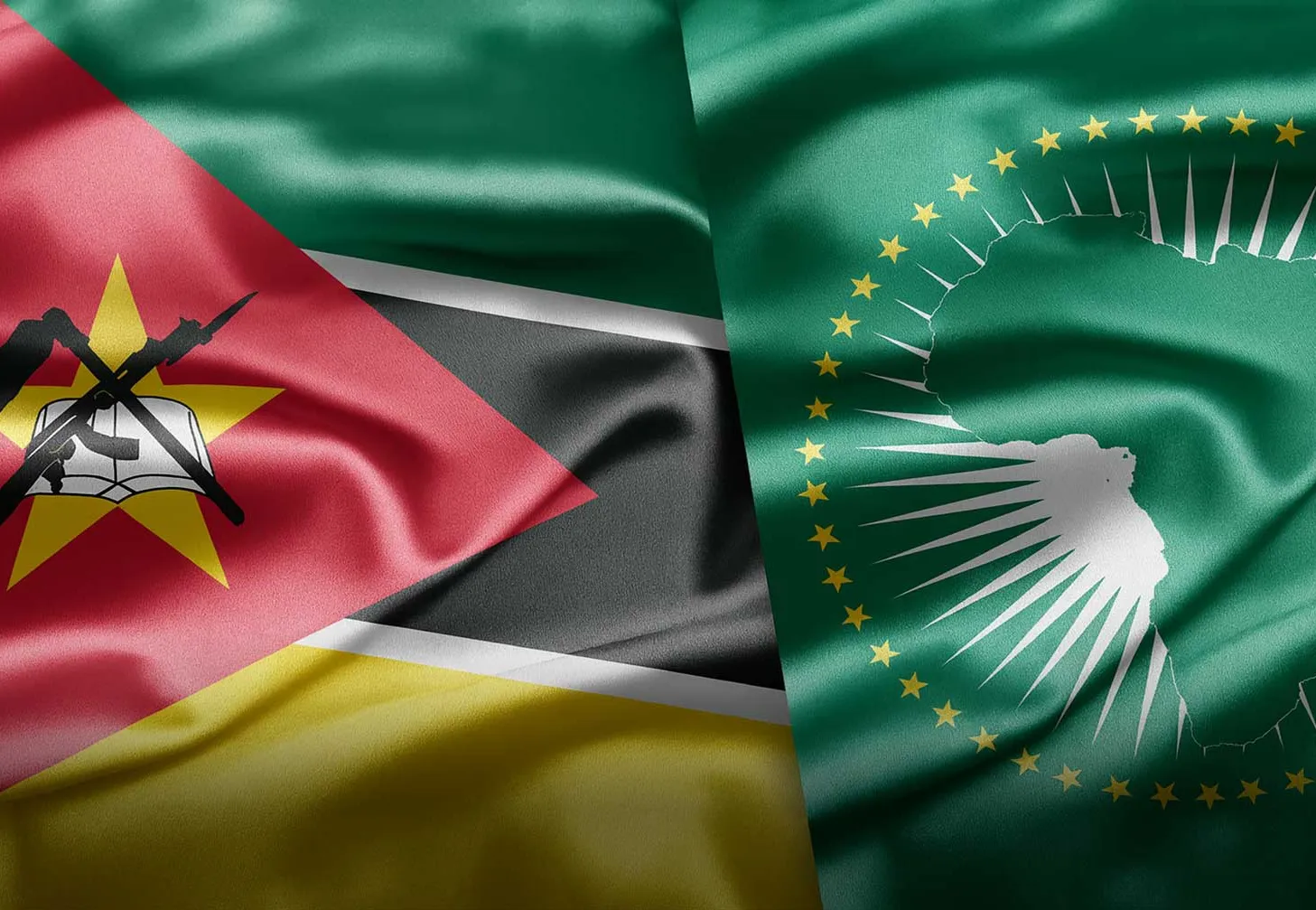
In 2003, Maputo inscribed itself in the pages of African history as the setting where the Summit of Heads of State of the African Union approved an unprecedented resolution: the African Diaspora would be recognised as the 6th region of the continent, joining North, Southern, West, Central and East Africa. That political act represented the recognition that millions of Africans and their descendants scattered across the Americas, the Caribbean, Europe and Asia are not disconnected from the continent of origin, but are part of it in an organic and inseparable way. A new chapter was thus born in the relationship between Africa and its diaspora, a link that for centuries had been weakened by slavery, colonisation and forced migration.
It was from that seed that the State of the African Diaspora (SOAD) germinated, formally established years later with a dual mission: to repair the historic disconnection and to create bridges of development for the future. Its Minister of Tourism, Meshella Eddye Woods, defines it as “both a practical response to centuries of disconnection caused by slavery and colonisation, and a platform for creating opportunities for economic empowerment, cultural expression, education and meaningful reconnection with the continent.”
SOAD functions as a government without borders, operating in parallel with African states and uniting communities from many latitudes under a single political and cultural identity. It is led by Prime Minister Dr Louis-Georges Tin, together with First Deputy Prime Minister Keturah Amoako and Second Deputy Prime Minister Hugh Johnson. It also has some thirty ministers, a parliament, a royal chamber and a network of ambassadors spread across every continent. “Together, we work to unite the global African family,” stresses Woods, reinforcing that the vision is pan-African but the method is practical and based on direct cooperation.
This vision took on a new dimension with the signing of a historic agreement between Mozambique and SOAD, establishing mutual recognition as sovereign States. The understanding opens the way to a series of initiatives with real impact on the lives of citizens of both parties. For Meshella Eddye Woods, “this recognition makes it possible to discuss dual nationality and to move forward with joint projects with legitimacy. Mozambican citizens will be able to benefit from economic, educational and cultural exchanges, while members of the diaspora will have new opportunities to invest in and restore ties with Mozambique.”
The projects already outlined include smart cities, medical complexes, agricultural initiatives and a university. The smart cities, planned for several provinces, will include housing, commerce, workspaces, health services and higher education, creating new hubs of economic and social dynamism. In March 2025, SOAD teams and financial partners met with provincial leaders to define sites and priorities, and also secured approval of the investor's bank account. All that remains is the final green light from the Ministry of Finance for work to begin.
In the field of tourism, Mozambique emerges as a centrepiece of a continental strategy that SOAD is developing for historical memory tourism. Having been, during the transatlantic slave trade, a point of departure for thousands of lives torn from the continent, the country holds a collection of sites and memories of incalculable value. Coastal ports, cultural sites in the interior and oral traditions make up a living heritage that SOAD wants to integrate into a pan-African network of heritage routes, linking the continent to the diaspora communities. In Maputo, the Chief of Staff of SOAD's Ministry of Tourism, Lino Cassimo, who is also Ambassador for Southern Africa, coordinates this mission on the ground, which includes guided tours, educational centres, commemorative installations and cultural events aimed at engaging international visitors and local communities.
The Mozambican diaspora scattered around the world is seen as a fundamental asset. In countries such as Portugal, Brazil and South Africa, Mozambicans abroad are recognised as cultural and economic ambassadors. Woods recalls that, on her latest trip, she was in Lisbon, where she met Eddy Chiveve and his wife, owners of the Chiveve Lisboa Restaurant. “It is a cultural and culinary landmark for our community abroad,” she says. She also took part in the Black Lisbon Tour, a guided route that reveals the African presence in Portugal's history, and which she found revealing: “These are stories that often go untold, but are deeply meaningful. They show how the diaspora preserves culture and creates platforms for empowerment.”
However, if the present is built with partnerships and cultural bridges, the future demands a clear commitment to young people. Woods addresses young Mozambicans directly: “You are not alone, nor forgotten. The African diaspora is a living heritage that includes you. We want you to lead and shape the next 50 years of Mozambique with pride and determination.”
This commitment is taking shape in programmes for entrepreneurship, digital innovation, heritage tourism and global leadership, developed in collaboration with Christian Maheed Kwesi Kumah, founder of the NGO Young Africa Great Mind and SOAD Youth Ambassador.
The minister is keen to stress that this is not an agenda driven by idealism alone. “Our approach is pan-African, but grounded in practical collaboration. We do not repeat external models; we create solutions designed by and for Africans, always with local participation and intergenerational leadership.”
Thus, the pact between Mozambique and SOAD stands as more than a diplomatic agreement: it is a promise of a shared narrative, in which historical memory, cultural reconnection and economic development are intertwined. It is also an invitation for Mozambique to take a central role in a movement that wants to honour the past while writing a collective future. “We are watching closely. We want Mozambique to be a protagonist of a movement that honours the past and builds the future,” concludes Meshella Eddye Woods.


