
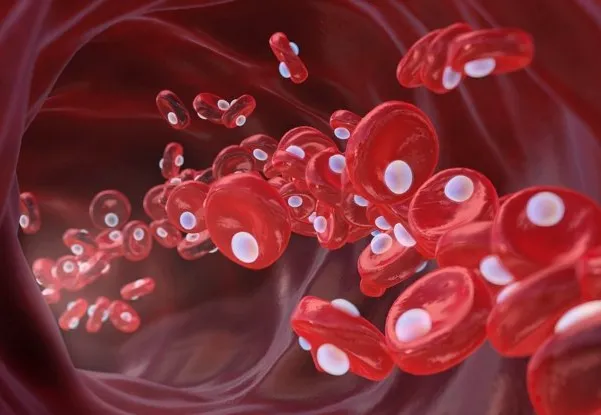
According to Science Translational Medicine, a highly prestigious scientific journal in the field of translational medicine, scientists at Boston Children’s Hospital have developed an innovative intravenous oxygenation technique for emergencies in which breathing is interrupted. The research, which describes the use of injectable oxygen microparticles, presents a temporary solution for stabilising patients unable to breathe, as in cases of airway blockage or severe lung failure. This technique is especially relevant in situations where immediate medical assistance is not available, providing valuable extra time for further interventions or for the patient’s safe transport to hospital.
The microparticles, encapsulated in a layer of lipids to prevent embolisms, measure between 2 and 4 micrometres and carry a concentrated amount of oxygen. When administered into the bloodstream, these particles can quickly restore oxygen levels in the blood, allowing patients to survive without breathing for up to 15 minutes. Dr John Kheir, who led the study, stresses that the aim is to offer a “temporary oxygen substitute”, essential for buying time in critical situations. “This technology can be stored in ready-to-use syringes in ambulances and emergency rooms”, says Kheir. He also points out that this solution has the potential to be used in various other applications, such as emergency surgery and in hard-to-reach places where oxygen is not immediately available.
The trials carried out indicate that the solution can prevent severe damage associated with lack of oxygen, such as cardiac arrest and organ injury. Such damage, when not treated in time, can result in irreversible consequences, including brain death or multiple organ failure. The researchers note that the ability to deliver oxygen directly into the bloodstream could significantly reduce the number of deaths caused by hypoxia in critical emergencies, particularly in cases of road accidents or traumatic events where the patient’s airways may be compromised. This advance is described as promising for medical emergencies, with the potential to save countless lives and transform the way respiratory arrests and situations of sudden oxygen deprivation are handled.
The impact of this new technology goes beyond ambulances and emergency rooms. Rapid response teams could benefit greatly from a tool that allows them to stabilise patients in extreme situations even before they can access traditional ventilatory support equipment. It could also be crucial in natural disaster situations or places where medical resources are limited, such as remote areas or developing countries. This technology, if successfully implemented, could revolutionise emergency medicine, making intravenous oxygenation available in settings where, at present, there are no effective alternatives.
Sources: Science Translational Medicine, Boston Children's Hospital, New Atlas and MedIndia.


