
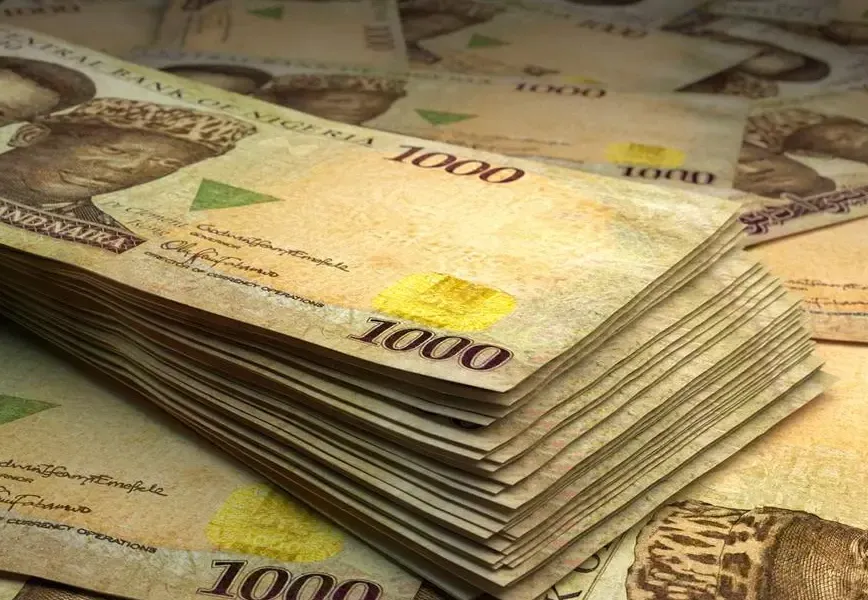
Nigeria has implemented a transformative measure in its energy sector by announcing that, from 1 October 2024, it will sell crude oil and refined petroleum products exclusively in naira (Nigeria’s local currency), its own currency, in place of the US dollar. This historic decision, promoted by the administration of President Bola Tinubu, has as its main aims to reduce dependence on foreign currency, strengthen macroeconomic stability and tackle the complexities inherent in the dynamics of the global energy market.
Context and aims of the change
Historically, oil – Nigeria’s main export resource – has always been traded in US dollars, guaranteeing direct integration into global markets. However, the growing exchange-rate volatility of the dollar and the socio-economic impact of the war in Ukraine have forced several nations to reconsider their monetary and energy policies. Nigeria, in this context, opted for an approach that favours strengthening its own currency, mitigating external vulnerabilities.
The decision to trade oil in naira (Nigeria’s local currency) aims to ease pressure on foreign currency reserves and promote greater intrinsic value for the naira (Nigeria’s local currency). This measure also aims to reduce transaction costs associated with currency conversion and to foster the availability of fuel on the domestic market, especially petrol and diesel.
Impact on industry and the economy
At first, the strategy involves the sale of approximately 385,000 barrels of crude oil a day to the Dangote refinery, the country’s largest, with all transactions carried out in naira (Nigeria’s local currency). In return, the refinery will supply refined products, such as petrol and diesel, also paid for in local currency. Although the pricing of the oil remains indexed to international market prices, the financial settlement process will take place entirely in naira (Nigeria’s local currency).
This initiative represents a clear attempt to increase domestic refining capacity and reduce dependence on imports of refined products. In addition, it is hoped that trading in naira (Nigeria’s local currency) will contribute to a better domestic fuel supply and to a reduction in the costs associated with acquiring foreign currency, thereby strengthening the country’s economic autonomy.
Challenges and expectations
Despite the prospect of long-term benefits, the implementation of this measure faces substantial challenges. The constant devaluation of the naira (Nigeria’s local currency) against the dollar, together with uncertainty about the impact of this policy on the international energy market, are weak points that may compromise the effectiveness of the measure. To mitigate these risks, the Nigerian government has set up multidisciplinary implementation committees with the aim of ensuring a coordinated transition, involving, among others, the Nigerian National Petroleum Company (NNPC) and the Dangote refinery.
By adopting this policy, Nigeria seeks not only to protect itself from fluctuations in international markets, but also to pave the way for more robust economic autonomy. The impact of this measure on macroeconomic stability and on the country’s growth will depend on its effective execution and on the ability to adapt to constantly evolving global dynamics. In a global energy landscape marked by abrupt changes and uncertainty, this is undoubtedly a bold move, full of calculated risks.


