
Mulheres
Mulheres (Women) is a drama based on true events set in a peripheral neighbourhood in Angola. José (Manuel Teixeira) is an irresponsible man who trades his family for a parallel life of vice, centred on various women. Known as "Ti Paga Bué", he wants to appear wealthy to society, while his family goes through many great hardships, plunged into deep suffering and misery. Minga (Ndenga dos Santos), José's wife, fights for survival, trying to keep the family together. The narrative represents a shocking reality of a sexist society with which, unfortunately, many African women identify.
The narrative represents a shocking reality of a sexist society with which, unfortunately, many African women identify
As executive producer, what attracted you to telling the story of the film Mulheres?
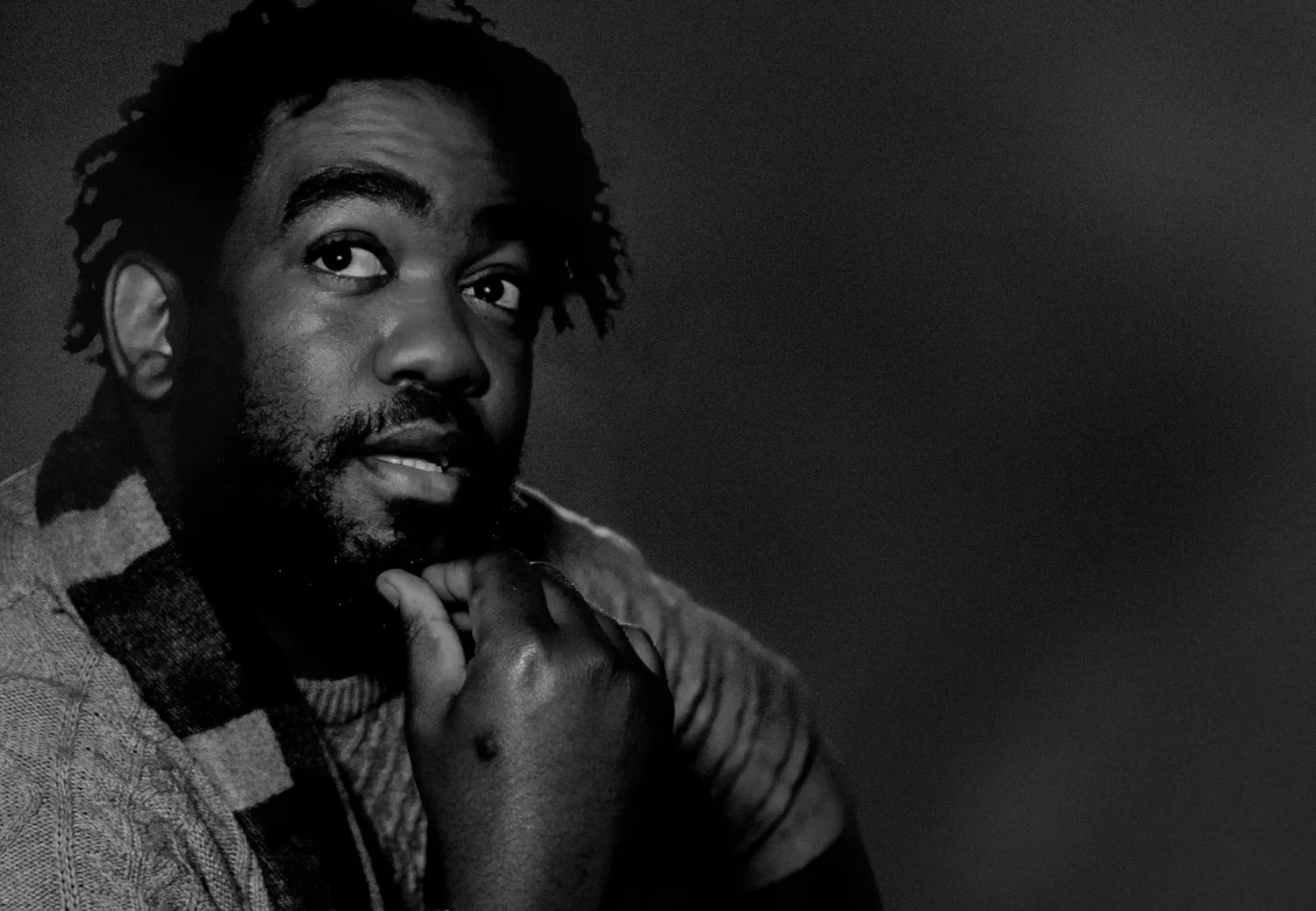
As an executive producer, I have a few films in the drawer that I could back, but Mulheres was love at first sight. When Allen Mamona, the director and screenwriter of the film, brought it to me, I did not think twice about fighting to build the project and allow more people to address the subject we deal with, which is systemic in our country and destroys thousands of homes. It is a wake-up call.
We know you have a great admiration for your mother. Did that influence you in any way in making this film?
I was raised by women, my mother, grandmother and sister, under the supervision of my aunts, and I have 3 daughters, so this film is a tribute and a new way of elevating the existence and importance of women, giving them the dignity that sexism takes away from them. It is a redemption.
Bigamy and paedophilia are always difficult subjects to tackle. How did you prepare to portray this reality?
The director Allen Mamona and I are partners and we have sat down many times to think about the kind of cinema we want to make, and one thing we have in common is telling the truth about ourselves, about how we see our Africa, and mirroring it in our work, so that everyone can see themselves in it. That can correct behaviours, because people do not always tell us, or we do not see ourselves, as we are. Cinema makes us reflect on our behaviour, so we only put in the truths that we live. That does not make it easier or harder, it makes it real and raw.
What were the main challenges you encountered in producing the film?
Producing in Angola is always challenging, because of all our shortcomings. When it is not us, the production, who err with the artists, it is the artists who let us down, or the structural shortcomings of the market. So it is a struggle to start and finish a project. It requires discipline, in several dimensions, and a great deal of patience, as there are jobs that take us 8 months or more, when normal processes would take a month. Making films in Angola is a heroic act.
What message do you wish to give to women who are trapped in abusive relationships?
Women, you are stronger than sexism makes you appear. Respect, support and complicity from men should be the rule. Woman is God, is mother, daughter, wife, sister, has different abilities that combine with those of men, so I want to make it very clear that I will help to change the course of the river that has been imposed on women through the lack of opportunities, so that stories like the one in the film Mulheres are not common.
"I did not think twice about fighting to build the project and allow more people to address the subject we deal with, which is systemic in our country and destroys thousands of homes"
Love and respect do not always go hand in hand in certain societies. Is there hope of changing this reality?
I am a fighter for causes in favour of women, with practical actions, more than just with hope. I am helping to cultivate the new man, so that he sees women as they have always deserved to be seen. At the top of the table, alongside and never behind; often in front, because we all know that the pillar of the home is the woman.
In what way do you think a film like this can touch and influence people?
When people see themselves in films, they examine themselves; some feel shame, and others become aware of what they do, and this is re-education. That is why I make films about us, so that we can examine ourselves and heal.
Are there still many 'Josés' in this society?
Yes, there are. It is structural. We need to improve, and only by keeping the real issue in public debate, in the family and among ourselves can we change the formula.
Do you think there is a new Angolan cinema? Do you feel part of this new generation?
Yes, there is a new way of approaching Angolan cinema, new ways of reaching the public and a new generation, of which I am proud to be a part. I have made history, without false modesty. We created a streaming platform, Tellas, which has the widest reach, a database and the best distribution of films from Angola. This has never been done before. We did it, and its value will have a direct impact on the lives of the population and of generations to come.
Productions coming soon? What are your plans for the future?
We will premiere 3 more films within a space of 12 months. Some are already public, "Mwana Nkento", which has even been selected for international festivals, and "Nossa Senhora da Loja do Chinês", directed by Ery Claver and produced by Geração 80, but there will be other surprises before the end of the year. Stopping is not an expression I usually use. I believe I have an appointment with history in Angolan cinema, and I intend to take it to the world.


