
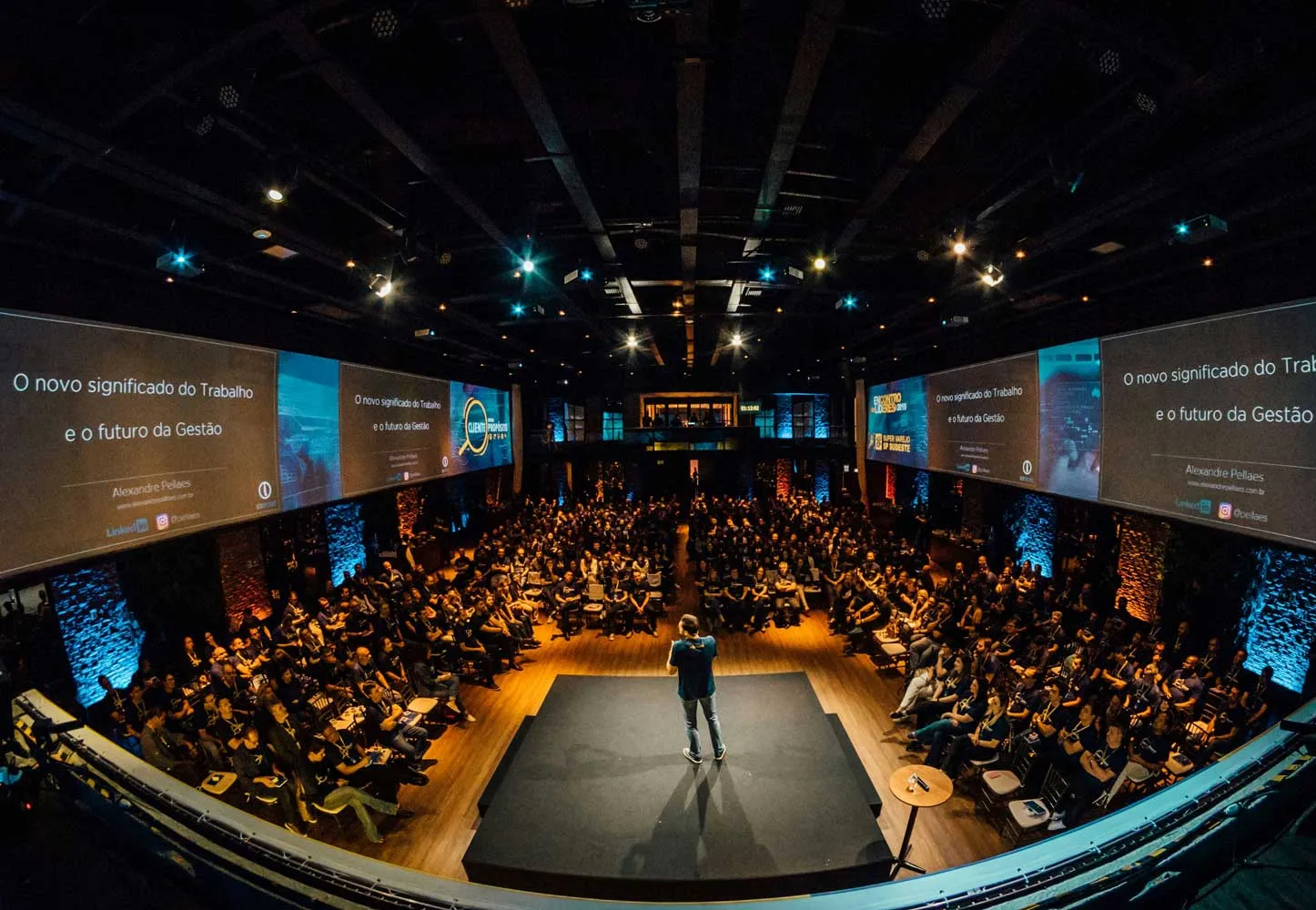
The MICE sector (Meetings, Incentives, Conferences and Exhibitions) is a crucial revenue generator for the tourism sector, especially in modern times. According to the World Tourism Organization, of the total of 10 billion trips that take place every year, around 14% are for professional purposes. This highlights the importance of the MICE industry in driving economic growth and the development of the tourism sector.
MICE tourism involves holding various business events, such as meetings, conferences, exhibitions and incentives, in different places around the world. The events are normally organised by large companies, associations or governments and aim to facilitate networking, knowledge transfer and business development opportunities.
Meetings include board meetings, management meetings, shareholder meetings, training seminars and meetings with partners and suppliers. Incentives are a kind of exception within MICE, since they are given specifically for leisure as a tool to reward sales representatives, resellers, distributors and customers. Companies send them on trips if they meet their sales targets or complete a business-related activity. Conferences or conventions are normally organised by an organisation or association on a related theme. These conventions may be trade gatherings for making contacts. Exhibitions are specifically intended to present product launches, services or information. This results in sales leads, information about new products, brand image building and the creation of a network for future business.
One of the main benefits of the MICE industry is that it generates significant revenue for the tourism sector. The industry is an important source of income for hotels, airlines, transport companies and other businesses that provide services to the business sector. In addition, the MICE industry creates job opportunities for local residents, contributing further to the socioeconomic development of the host destination. Another benefit of MICE tourism is that it promotes cultural exchange and helps to develop a positive image of the host country. Business events provide an opportunity for participants to get to know the local culture, food and traditions. This not only improves their experience, but also helps to build a positive perception of the host destination.
It is interesting to note that many countries, especially emerging economies, are committed to strengthening their tourism sectors in order to attract more visitors. Brazil, Russia and India have invested heavily in tourism to create an environment favourable to MICE events. Meanwhile, the USA, Singapore, Germany, China, the United Kingdom, France, Italy and Spain have performed consistently with their robust tourism sectors, making them prime locations for MICE activities. The hospitality, catering and other services provided to MICE visitors play an important role in the success of this industry, and these countries seem to be standing out in this respect.
Sustainability has become a crucial factor for companies when planning events. In today's world, any event that is not sustainable or that does not take into account the people involved in it is a big no. Ethical practices and a sustainable outlook have gained paramount importance, and companies are being judged on their commitment to these values. Another important factor is authenticity, with consumers seeking real and honest experiences for leisure and business purposes. This trend has also reached the MICE industry, where companies strive to provide genuine experiences that do not focus solely on business objectives. In addition, there has been growing concern about mental health, and the concept of well-being has been incorporated into the MICE sector. Companies now have a platform to show their commitment to their employees and future customers by providing events that prioritise mental and physical health. These factors have become an integral part of the MICE sector, and companies that prioritise them are more likely to succeed in the long term.
When it comes to deciding on the venue for MICE events, there are several important factors that should be considered. One of the most important is the central value of the venue and its relative cost. It is essential that the venue has good connections, adequate resources, excellent infrastructure in terms of meeting facilities and accommodation, and an established service sector for support. In addition, it is important for the government to provide support in terms of policies and regulations related to MICE events and activities. All these factors collectively contribute to making a venue suitable for MICE events and depend mainly on the government, automotive, pharmaceutical, IT, banking, engineering, sports, entertainment and religious sectors.
The MICE sector may face challenges in the coming years because of the growing popularity of live streaming and webinars, which gained great momentum during the covid-19 pandemic. Companies are finding it hard to manage the financial burden of MICE events, and are opting for alternatives to save time and money.
Given that MICE is a key revenue generator for the tourism sector, with an important role in promoting economic growth and development, and that demand for business events is growing, it is essential for the national tourism industry to invest in infrastructure and services that meet the specific needs of the MICE segment. This will not only attract more business travellers, but also boost the overall growth of the sector.
Tourism is a powerful tool that can boost economic growth and help to alleviate poverty, both nationally and locally, through inclusion and community development programmes in rural areas, and it can create job opportunities, promote community development and generate much-needed revenue. Although there are challenges in reducing poverty through tourism, it is clear that this sector has enormous potential to promote positive change and contribute to a brighter future for everyone. Let us, together, harness the power of tourism for the good of Mozambique and of Mozambicans.


