
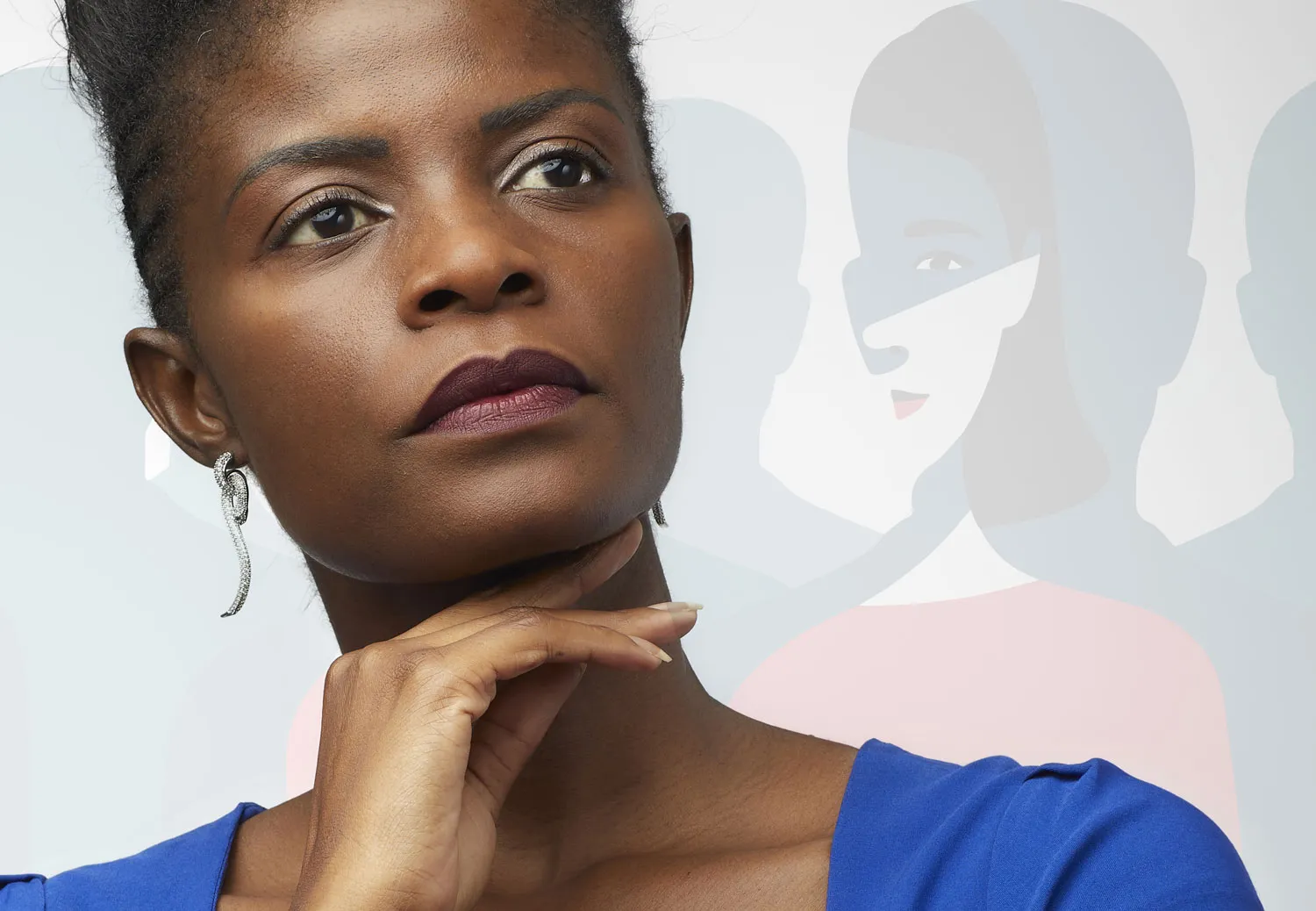
When will we have gender equality?
Women’s month is a good time to reflect on the struggle for equality between men and women, which, despite the important progress made throughout history, still has a long way to go in the pursuit of a fairer and more democratic society. Centuries on, we still live in a world of unequal power between men and women, based above all on unequal access to opportunities in the economic, political, educational and cultural spheres.
For a long period, worldwide, in most countries, women were forbidden from engaging in many activities, yet there are still those who do not know, or have no idea, what women’s lives were like before their achievements. Women were excluded from effective participation in public spaces, from work outside the home, and from the possibility of scientific and intellectual development. Some of the prohibitions imposed on women were not being able to work outside the home, not being able to serve on a jury, not being able to vote or stand for any office or in government elections, not being able to attend school, let alone university, or to drive, not being able to play football or take part in the Olympics. She had no right to speak and was totally dependent on her husband or her parents.
Speaking specifically of Mozambique, women were also obliged to “make” children once married or living with a partner, and, if they could not conceive, their husband had the right to bring another woman into the same house, without his wife’s consent, who could “make” children for him. On the other hand, women could not, for example, eat eggs, nor certain parts of meat, whether poultry or beef, considered the tastiest. Unfortunately, some of these customs became part of the culture of some ethnic groups and are still practised today in some regions of the country.
An appeal to Mozambican society to fight for the right to gender equality begins with a change in women’s own attitude. But gender equality is not a women’s issue, it is a human rights issue that must involve men and women equally
Gender inequality dates back to the dawn of humanity. The patriarchal system was the one chosen by most of society, a system in which the man holds the power of decision and command over the family, which was gradually carried over from the family sphere into the public one, shaping the political system in favour of the male side.
Today, however, women are mobilising to ensure that their rights are defended and maintained. Some of the factors behind this struggle are the pay gap between men and women with the same qualifications performing the same job, the sexual harassment and violence suffered daily by a growing number of women in a variety of settings, and the minimal representation of women in leadership positions.
There are major challenges to achieving gender equality. For example, as regards the domestic work, often excessive, that women carry out, the lack of public services deprives them of opportunities for work and income. Not devoting as much time to the home as women do, and often being virtually exempt from household chores, men can devote themselves more to their professional careers. It should be stressed, however, that a gradual positive change, albeit a slow one, is under way in our country. There is a noticeable rise of women into leadership positions in the public and private sectors, as well as in politics. More and more Mozambican women are seen setting up businesses and taking their own initiatives aimed at empowering women.
An appeal to Mozambican society to fight for the right to gender equality begins with a change in women’s own attitude. But gender equality is not a women’s issue, it is a human rights issue, which must involve men and women equally. For it to truly come about, the active collaboration of the male partner is extremely important. The inclusion of men in this change is very welcome, and is indeed a necessity. So here is an appeal and an invitation to each one of you, man or woman:
Take an interest in politics, even if your aim is not to become a politician. It will help you to better understand how politics works in your country and in the world;
Demand that there be gender equality between men and women, that they enjoy the same opportunities, incomes, rights and obligations in all areas, from childhood;
Learn about personal finance and household economics so as to manage your income better, and equitably, at home;
Report acts of violence against women;
Fight the pay gap;
Give women opportunities to reach leadership positions;
Give educational talks aimed at informing and empowering women, showing them the possibilities that exist in the job market and in the field of entrepreneurship.
Train and mentor on gender equality;
Create women’s empowerment programmes, as well as associations that support education or the creation of self-employment;
Empowering women and promoting gender equity in all social and economic activities, besides improving the quality of life of women, children and men, effectively strengthens economies, boosting business and promoting sustainable development. This equality is the foundation for building a society free of prejudice and discrimination. Men and women must be free to make their own choices and develop their personal abilities without the interference or limitation of stereotypes.
When we analyse the historical development of society, we will see that transformations and improvements have been taking place in favour of gender equality. However, men and women, we still have a long road ahead of us to reach the equality we desire.


