
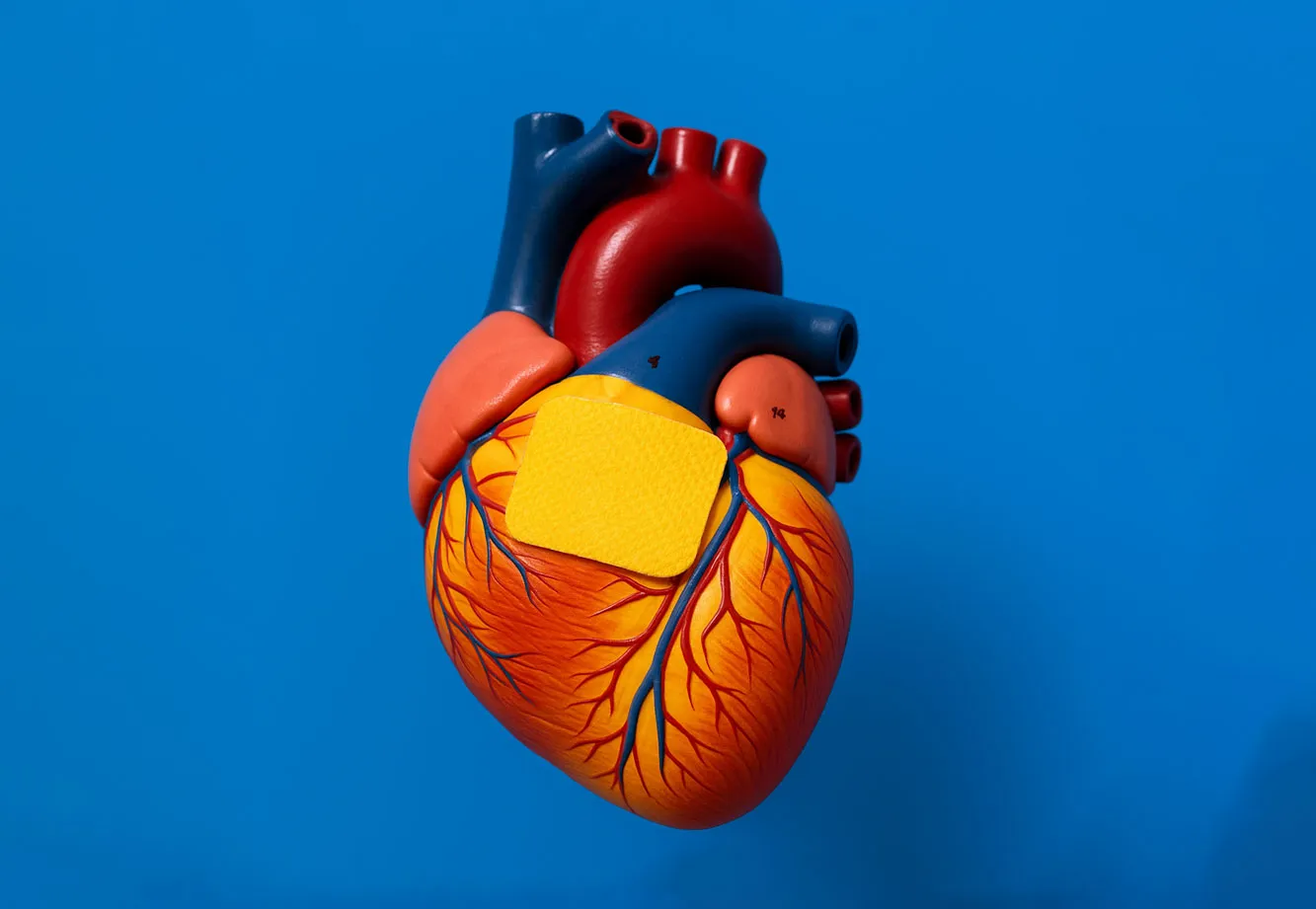
Researchers from the universities of Porto and Coimbra have taken a promising step in tackling the after-effects of myocardial infarction by developing a new-generation therapeutic device: a “smart cardiac patch” which, by harnessing the heart's own beats, improves cardiac electrical function and boosts its recovery.
Published in the prestigious journal Materials Today Bio, the study is the result of a collaboration between the Institute for Research and Innovation in Health of the University of Porto (i3S) and the Centre for Neuroscience and Cell Biology of the University of Coimbra (CNC-UC).
The device is made of a biomaterial with piezoelectric properties, that is, one capable of transforming mechanical movement, in this case heartbeats, into electrical impulses. According to a statement from i3S, this patch represents an unprecedented approach to the regeneration of damaged heart tissue.
Lino Ferreira, principal investigator at the CNC and coordinator of the study, explains that the laboratory tests were "very promising", which led the team to proceed with assessing efficacy and safety in animal models.
Diana Nascimento, a researcher at i3S, stresses the uniqueness of the patch: "when placed on the surface of the heart, it takes advantage of the heartbeats to generate new electrical impulses".
Tests carried out on mice showed that the biomaterial improves the heart's electrical conduction and contributes to its recovery after a heart attack, according to Luís Monteiro, first author of the article. In experiments carried out with pig hearts, the patch did not interfere with cardiac function, which reinforces its safety.
As well as helping regeneration, this solution could also significantly reduce the occurrence of arrhythmias, frequent and potentially fatal complications after a heart attack.
The researchers are currently part of the European consortium REBORN, where they are studying ways of combining this biomaterial with the controlled release of drugs, deepening its therapeutic potential. An innovation that could, in future, change the paradigm of cardiovascular medicine.


