
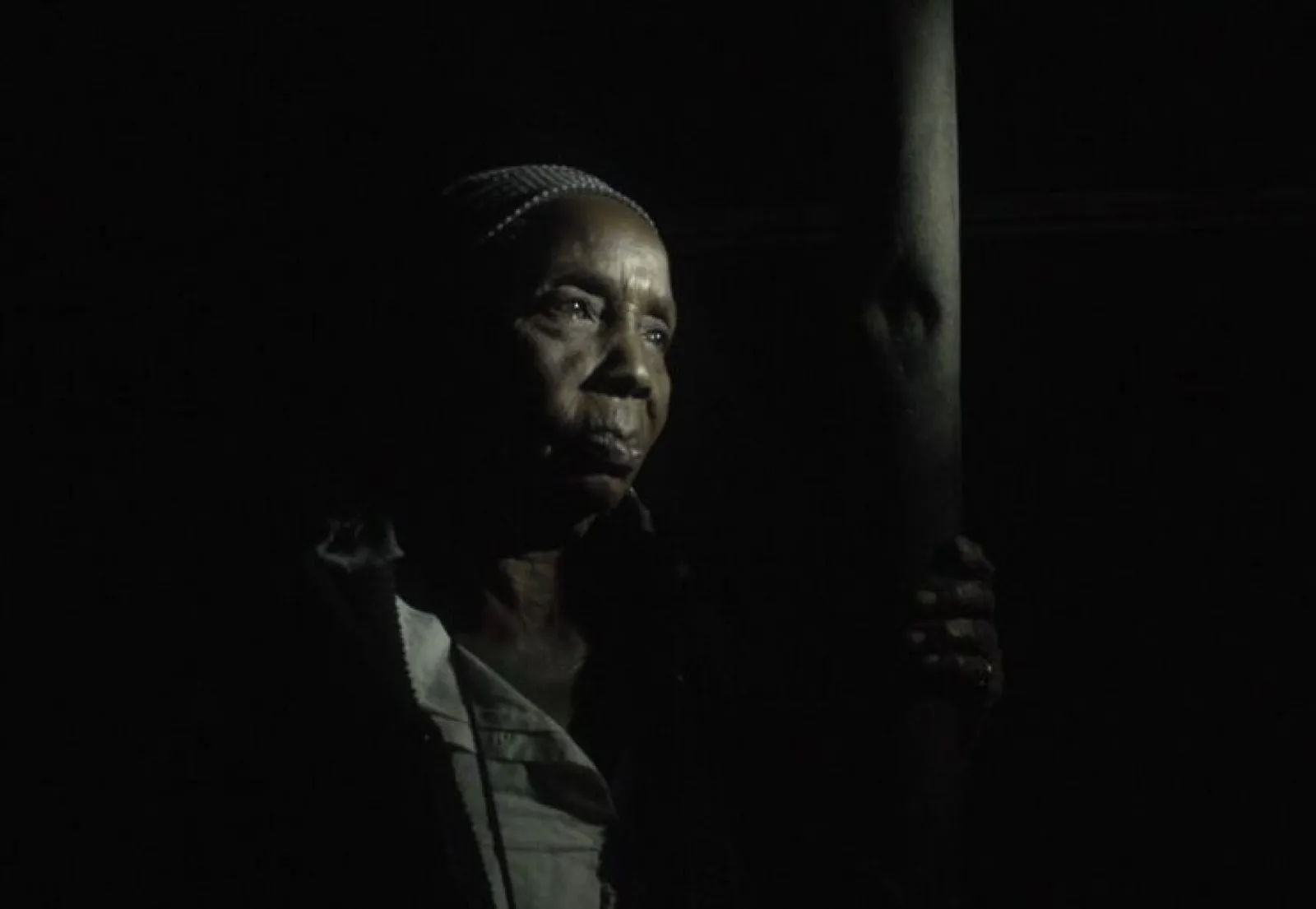
Sometimes, cinema does not serve only to entertain. It serves to make us think, to restore dignity, to stir history. Dahomey, a 2024 film directed by Mati Diop, is one of those rare moments when art finds its deepest purpose: that of healing open wounds with images, sounds and ideas.
Winner of the Golden Bear at the Berlin Film Festival, Dahomey follows the symbolic return to Benin of 26 masterpieces looted by France in 1892, during the invasion of the former Kingdom of Dahomey. These pieces of African art, until then displayed at the Musée du Quai Branly in Paris, were finally repatriated in 2021, an act that generated debate, hope and also discomfort. Diop builds a documentary of great poetic and political density, giving a voice to a statue of King Ghezo, who narrates the return of the looted works to Benin. Through Makenzy Orcel's melancholy narration, the statue becomes the protagonist of a symbolic crossing, which culminates in a heated debate among university students about the scope and limits of heritage restitution. Enriched by sensitive cinematography and a subtle soundtrack, it stands as a technically accomplished and intellectually provocative work.
It made the National Board of Review's Top 5 documentaries of the year and was screened at several renowned festivals, such as Cinéma du Réel (Paris), TIFF, San Sebastián, London, Sydney, New York and Tokyo. It represented Senegal in the race for the Oscars. International critics were broadly favourable, with The Guardian praising its “poetic and courageous” approach, and the Financial Times describing it as a “serene meditation on the return of looted works”. On Rotten Tomatoes it scored 99% approval, and 85 out of 100 on Metacritic.
This documentary, available on the MUBI platform, is a sensory, intellectual and emotional experience. It unsettles, illuminates and invites reflection on the colonial past and, above all, on the future that Africans aspire to build with their own voice, recovered memory and restored dignity.


