
A recent Afrobarometer survey, conducted between August and September 2024, reveals that 56% of Cape Verdeans support making Creole official, giving it the same status as Portuguese. However, this support is down eight percentage points from 2022, when 64% were in favour of the measure.
The study comes at a time of effervescent debate about the country's linguistic identity, driven by the celebrations of 50 years of independence, to be marked on 5 July.
Besides the question of making it official, the survey reveals that 69% of Cape Verdeans favour introducing Creole in primary education. However, this support has also fallen, by nine percentage points compared with 2022, signalling a shift in perceptions of the use of the mother tongue in the education system.
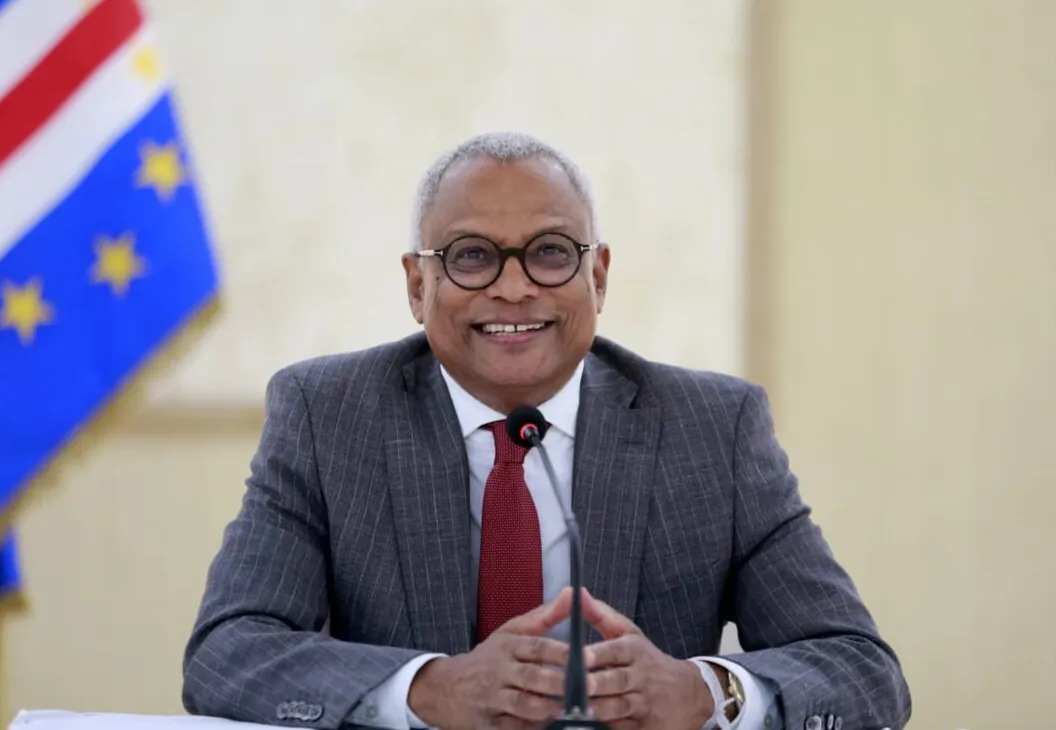
The President of the Republic, José Maria Neves, has repeatedly stressed the need for a national consensus on making Creole official, arguing that this decision could be a historic milestone in the country's fiftieth anniversary of independence.
Cape Verde's Constitution defines Portuguese as the sole official language, but establishes that the State must promote the conditions for making Creole official. Article 9 of the fundamental law stresses that all citizens have the duty to know the official languages and the right to use them, while other provisions reinforce the commitment to valuing and promoting the mother tongue.


