
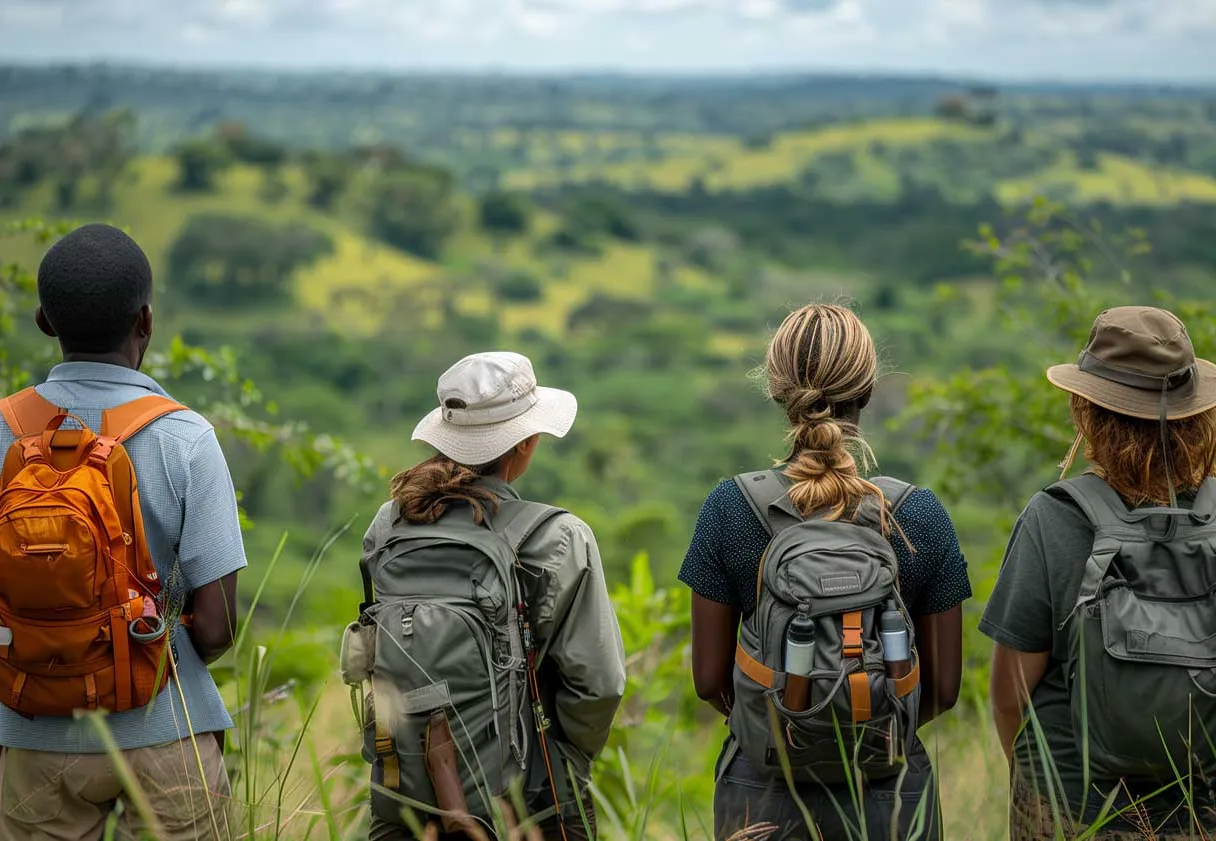
Tourism, often seen merely as a form of leisure, is a powerful tool for social and cultural transformation. In light of the theme of World Tourism Day, celebrated last 27 September, “Tourism and Peace”, we are invited to reflect on how it can serve as a catalyst for understanding, cooperation and harmony among the diverse cultures that populate our planet. In a global context marked by divisions and conflicts, promoting peace through tourism becomes essential.
One of the main ways in which tourism promotes peace is through cultural understanding. By visiting a new place, travellers are not just exploring a destination; they are also immersing themselves in a way of life different from their own, which helps to deconstruct prejudices and foster a sense of empathy. When tourists come face to face with the reality of another culture, their views can be broadened, allowing a deeper understanding of human complexities.
By way of example, community tourism initiatives have shown how direct interaction with local communities can generate mutual respect. Tourists who take part in community projects not only help to sustain the local economy, but also learn about the struggles and victories of the inhabitants, creating bonds of solidarity.
Sustainable tourism is not just a matter of environmental preservation; it is also an opportunity to promote social and economic peace. By choosing to travel consciously, tourists contribute to the economic development of communities that might otherwise be marginalised. This inclusion improves local living conditions and generates an environment of respect and cooperation. In addition, projects that involve women and young people in tourism activities have proven effective in promoting equality and reducing violence. When these populations are empowered and have their voices heard, the community becomes stronger and more cohesive, resulting in a more peaceful environment.
Tourism can also be seen as a means of diplomacy. When citizens of different countries meet, they exchange experiences and form bonds, and this can help to ease political tensions. Tourism becomes a space where differences can be overcome through dialogue and understanding.
Notwithstanding the evidence of tourism's positive role in promoting peace, it is essential to acknowledge the challenges faced by the sector. Mass tourism, for example, can lead to environmental degradation, exploitation of local communities and an increase in social conflict. It is therefore essential that tourism initiatives are planned sustainably, respecting the rights of host communities and promoting the conservation of cultural and natural heritage.
For tourism to effectively promote peace, it is crucial that there is awareness of its importance. Educational initiatives that encourage travellers to become ambassadors for peace can have a significant impact, provided they foster a deeper understanding of the destination, its culture and its social challenges.
Tourism professionals, from guides to hotel managers and other stakeholders within the tourism value chain, must be empowered to recognise the transformative role of this industry. This includes training in ethics, social responsibility and sustainability. When these professionals understand the importance of promoting peace through tourism, they become agents of change in their communities. As for tourists, the existence of awareness programmes aimed at them helps prepare them for more enriching experiences. Such programmes can include guidance on local customs, sustainable practices and the importance of respecting the culture and history of the place they visit. By promoting an attitude of respect and understanding, tourism can become a true engine of peace.
There are several destinations around the world that have stood out in promoting tourism as a path to peace. One example is the Peace Route in Colombia, which encourages tourists to learn about the stories of resilience of communities affected by armed conflict. The project promotes sustainable tourism and helps rebuild trust and solidarity among Colombians.
Rwanda is a remarkable example of recovery and resilience. After the 1994 genocide, which caused a devastating loss of life and social fragmentation, the country rebuilt itself and became an example for other African nations and for the world. Centred on reconciliation and sustainable development, the Rwandan government implemented policies that helped restore peace and promoted tourism as a pillar of economic growth.
Tourism is much more than a mere recreational activity; it is an opportunity to build bridges in a divided world. By promoting cultural understanding, social inclusion and diplomacy, tourism can become an important ally in building peace.
With the growth of sustainable tourism initiatives and awareness of the importance of travelling responsibly, we have the opportunity to turn every journey into a step towards a more harmonious world. As we celebrate World Tourism Day, we are reminded of the responsibility and power to contribute to peace, one journey at a time.


