
The seasons of the year directly influence the high and low seasons in tourism, shaping the activity of businesses and the socio-economic development of regions. In Mozambique, a culturally diverse country with unique natural landscapes, climate and tourism are closely intertwined. This article explores how the seasons affect the flow of visitors, the characteristics of the high and low seasons, and the strategies businesses adopt to adjust to seasonal changes, especially in a context of climate change.
High seasons, generally characterised by an increase in tourists, coincide with periods of favourable weather or cultural and religious events, factors that make a region more attractive to visitors. In Mozambique, however, many tourists prefer the hot, rainy season, from November to April, because of school holidays and various festive events. During this season, the country bursts into life: the vegetation becomes vibrant and the rivers fill, providing unique natural experiences, although some outdoor activities become more challenging.
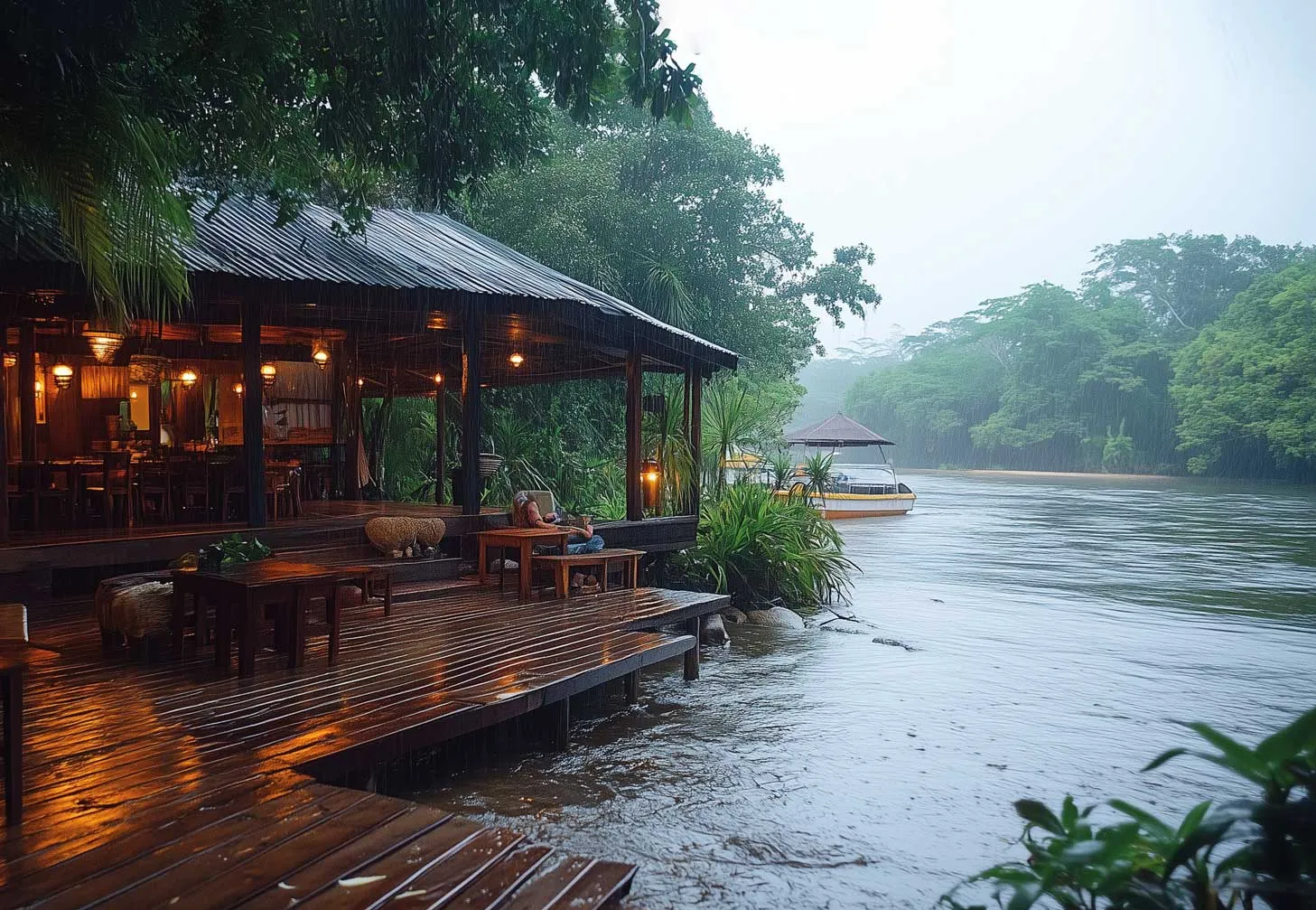
On the other hand, the low season, when the flow of tourists falls, generally occurs in the rainy season, which makes outdoor activities difficult. However, this period offers a different experience, with quieter settings and lush vegetation, ideal for those seeking contact with nature away from the crowds, in search of a calmer and more authentic experience.
To respond to seasonal fluctuations, tourism businesses adjust their strategies. During the high season, they raise prices and diversify their offerings to meet greater demand, while in the low season they turn to promotional packages and marketing strategies to attract tourists. This adaptation allows the sector to maximise the opportunities of each season, responding effectively to visitors' needs and expectations.
In a global scenario of climate change, phenomena such as rising average temperatures, rising sea levels and more intense cyclones bring new challenges for the tourism sector. In Mozambique, extreme weather events, such as Cyclones Idai and Kenneth, had severe impacts on tourism infrastructure and redirected tourist flows. To meet these challenges, the sector needs to invest in more resilient infrastructure, adopt sustainability practices and promote the use of renewable energy, preserving what makes Mozambique such a special destination.
Despite the challenges, climate change also brings new opportunities. Global warming may make areas once considered inhospitable more attractive, while others lose their appeal. Diversifying tourism products, such as ecotourism and adventure tourism, allows businesses to adapt to new realities and attract tourists interested in experiences more closely aligned with climate trends.
With a strategic vision, tourism businesses can respond both to seasonal variations and to the impact of climate change. Sustainable practices, such as ecological and community-based tourism, help preserve destinations and attract conscious tourists, interested in experiences that respect and value natural and cultural resources. Creating offerings that can be enjoyed in every season, including beach tourism, ecotourism and cultural tourism, makes the sector less dependent on weather conditions and more comprehensive.
In this way, the seasons play a central role in the dynamics of tourism, affecting the local economy and the operations of businesses. Understanding and adapting to their variation is essential for Mozambique's tourism sector to make the most of the high season and tackle the challenges of the low season effectively. In a changing world, the ability to align operations with climate trends and to preserve natural resources will be decisive in ensuring sustainable and prosperous tourism.
Together, we can promote more conscious and responsible tourism, one that values and protects the unique beauty of Mozambique and the world, securing a future in harmony with the environment and local communities.


