
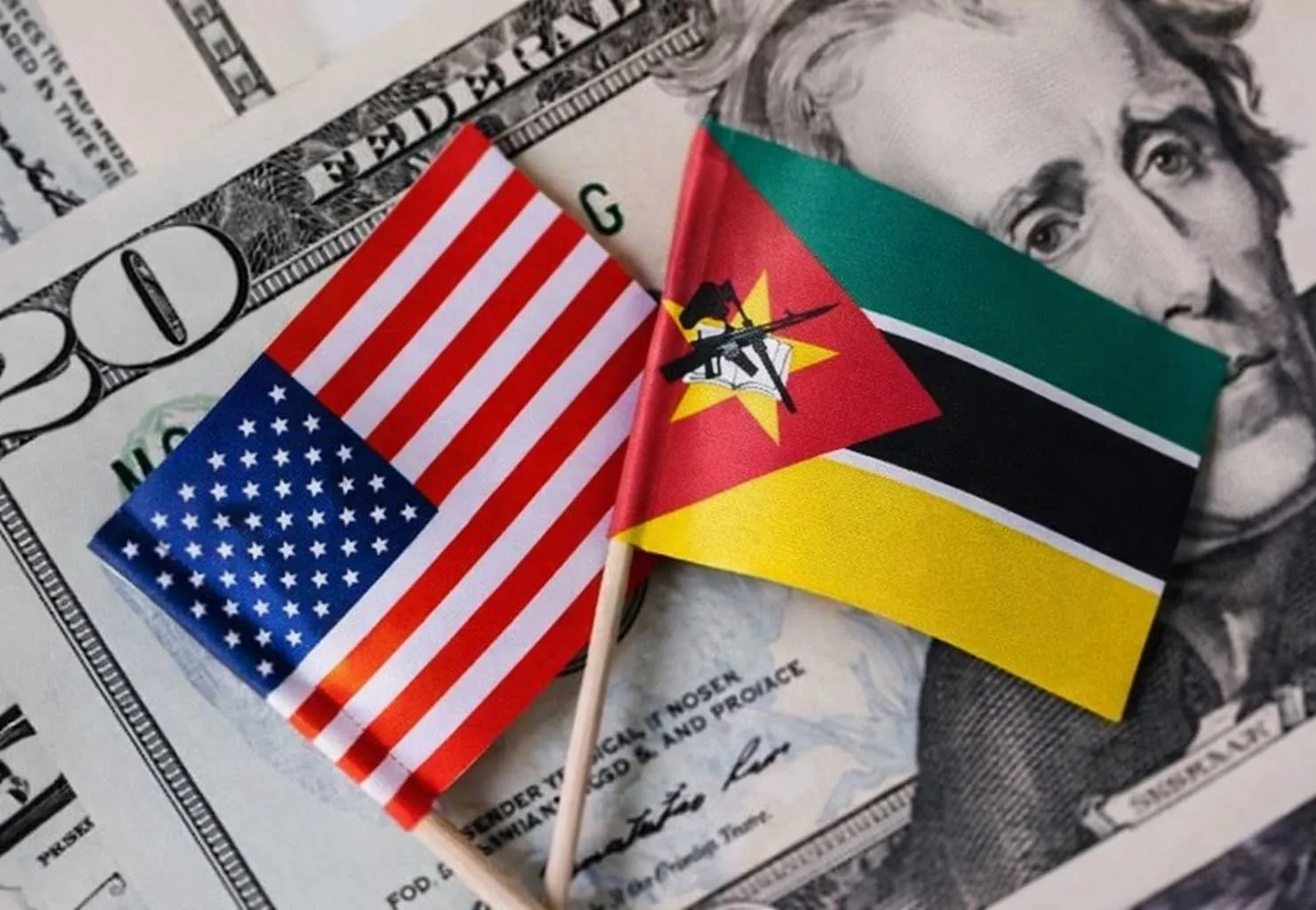
A possible significant devaluation of the US dollar, currently being debated in international financial markets, could represent relief for the Mozambican economy, especially as regards external debt and the cost of imports. The initial warning came from Bank of America and was reported by The Economic Times, highlighting the potential global risks of a sharp fall in the American currency. However, for countries such as Mozambique, this currency movement will only have positive effects if the process unfolds gradually, and provided there is relative macroeconomic and currency stability at home.
Mozambique holds a considerable part of its external public debt denominated in dollars. According to data from the Ministry of Economy and Finance, as well as the Bank of Mozambique, foreign-currency bonds and loans account for a significant share of the State's total debt. A possible fall in the value of the dollar against the metical or the euro could result in a reduction in the real value of that debt, making it less costly to service. However, this beneficial effect depends on the metical's ability to remain stable or to appreciate against the dollar — which is not guaranteed, especially in a context of external shocks and domestic vulnerabilities.
This possible fiscal relief comes at a time when the country faces budgetary constraints aggravated by extreme weather events, geopolitical tensions and inflationary pressures. Even so, the impact of a US currency devaluation on Mozambican public finances will depend on several factors, including the response of the domestic foreign exchange market and the reaction of investors.
In addition, Mozambique is a net importer of essential goods priced in dollars on international markets, such as fuel, wheat, rice, medicines and fertilisers. In theory, a devaluation of the dollar could reduce the cost of these imports, helping to ease domestic inflation, which has directly affected the purchasing power of Mozambican households. However, this beneficial effect only occurs if the metical does not depreciate over the same period. Otherwise, the gains may be nil or even negative.
This currency impact could also benefit small and medium-sized businesses that depend on imported inputs, as well as the State itself, which spends significant sums on imported goods for the running of hospitals, schools and other public institutions. Lower import costs, combined with possible budgetary breathing space resulting from reduced debt charges, could improve the Government's capacity to invest in priority sectors. Even so, such effects depend on effective management of fiscal and exchange-rate policy.
It should be stressed, however, that the potential benefit for Mozambique is conditional on the nature and pace of any fall in the dollar. Bank of America analysts warn that a sudden, disorderly devaluation could generate instability in international financial markets, with negative repercussions for emerging countries, including a possible contraction in foreign direct investment. In Mozambique's case, the delivery of megaprojects — especially in the natural gas sector — depends heavily on international financing and confidence, often anchored in the stability of the global financial system.
On the other hand, historically, periods of dollar weakness have coincided with greater liquidity in international markets, which could make it easier for developing economies to access financing on less punishing terms. In the medium term, this could open up scope for Mozambique to renegotiate part of its debt or raise new funds for investment, provided it manages to maintain a prudent, transparent economic policy aligned with the expectations of creditors and international partners.
In short, although financial markets view a possible fall in the dollar with caution and fear of global instability, Mozambique could benefit from positive indirect effects — but only if it can ensure domestic currency stability, fiscal discipline and resilience in the face of external dynamics. The possible gains are not guaranteed: the key will be, as always, the internal management of risks and the capacity to adapt to global volatility.


