
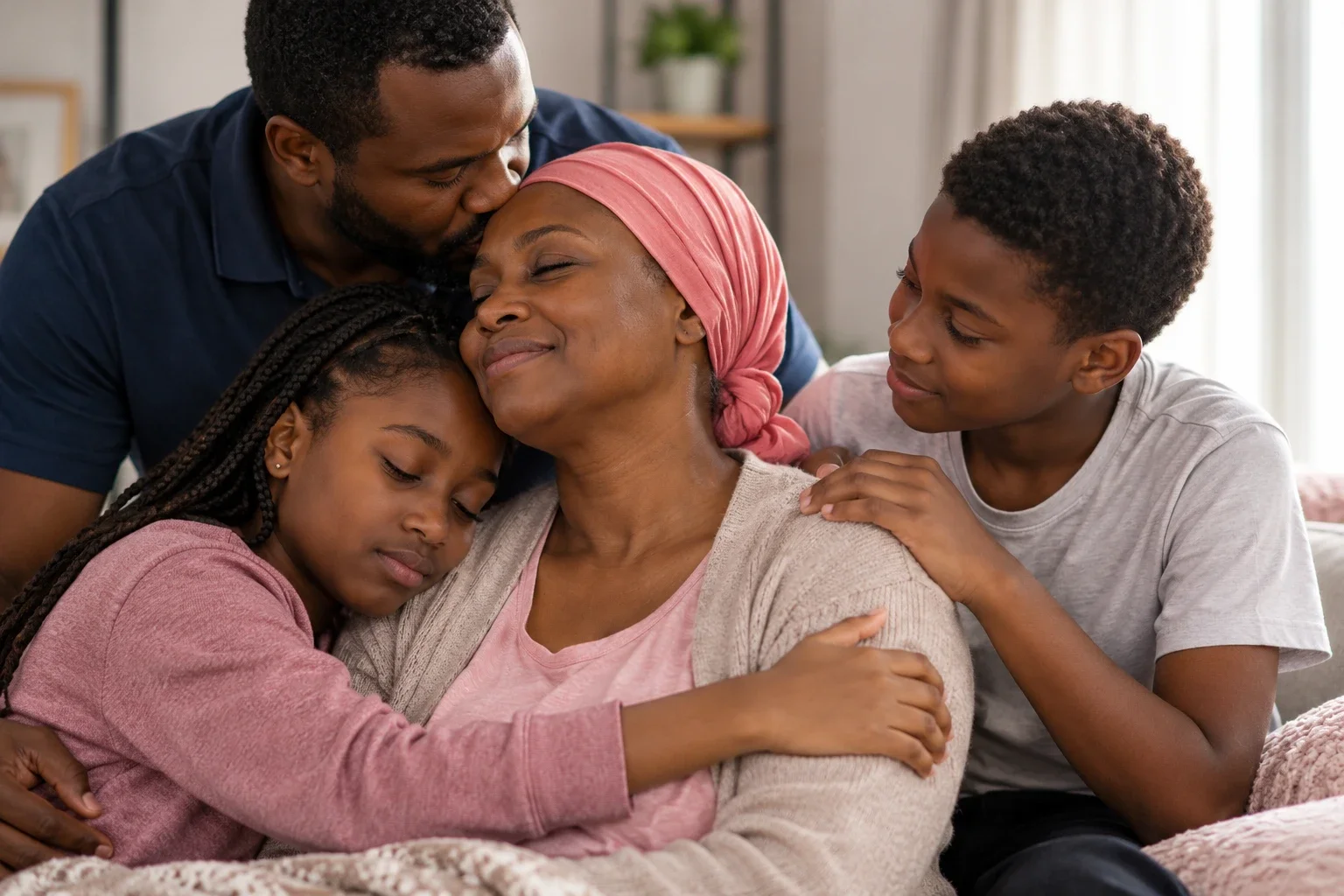
A breast cancer diagnosis enters a woman's life, but its impact rarely stops with her. It reaches into the home, disrupts routines, brings fears to the surface and transforms relationships. This Breast Cancer Awareness Month, we look at a less frequently discussed side of the disease: the experiences of those who offer support, provide care and must also learn to cope with the unexpected.
Some news divides life into two distinct periods: before and after. A breast cancer diagnosis can be one of those moments. For the woman receiving it, questions arise about treatment, the future and everything that once seemed certain. But around her, others also begin to face a reality for which no one was prepared. A husband trying to hide his worries. A daughter who starts calling more often. A mother who tries to remain calm in front of her grandchildren. A brother who offers to accompany her to medical appointments. Each finds their own way of coping with the news, even when words fail to express what they feel. Breast cancer is a deeply personal experience, but its consequences can extend to the entire family. Behind every course of treatment, there are often stories of adjustment, care and affection that rarely receive attention.
When roles are reversed
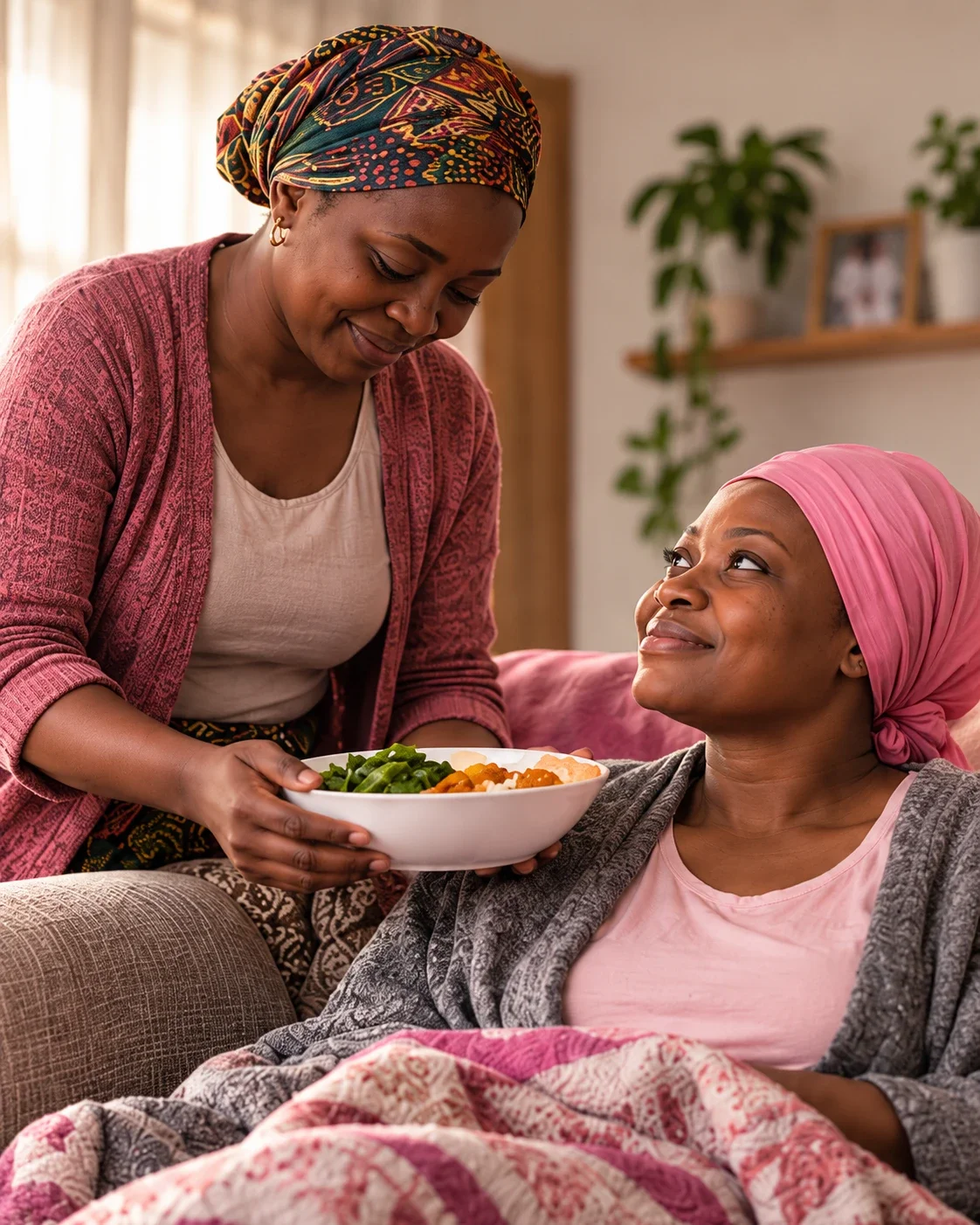
In many Mozambican families, women play a central role in organising domestic life. They look after children, manage household needs, work and, often, care for other relatives as well. When a woman falls ill, that balance can shift. The person accustomed to caring for others now needs care herself. Responsibilities must be shared, and schedules reorganised around medical appointments, treatments and recovery. For some women, accepting help can be difficult. There is also the fear, not always expressed, of becoming a burden to those they love most. But needing support does not diminish anyone. On the contrary, it can help families recognise the importance of sharing responsibilities that, for years, have rested on one person's shoulders.
Ad space
1245 × 289px
The silence of those who are also afraid
When someone receives a cancer diagnosis, attention naturally focuses on the person who is ill. People ask how she is feeling, how treatment is progressing and what her prospects of recovery are. But those supporting her may also experience fear, anxiety and exhaustion. Some partners try to project confidence while struggling with their own insecurities. Children avoid asking questions for fear of worrying their mother. Relatives take on new responsibilities without admitting that they, too, need rest. Sometimes, the desire to protect one another turns into silence. Difficult conversations are avoided, and emotions are concealed to maintain a sense of normality. Yet finding the right words is not always necessary. Listening, being present or admitting that you are afraid too can create space for a closer, more genuine relationship.
The invisible burden of caring
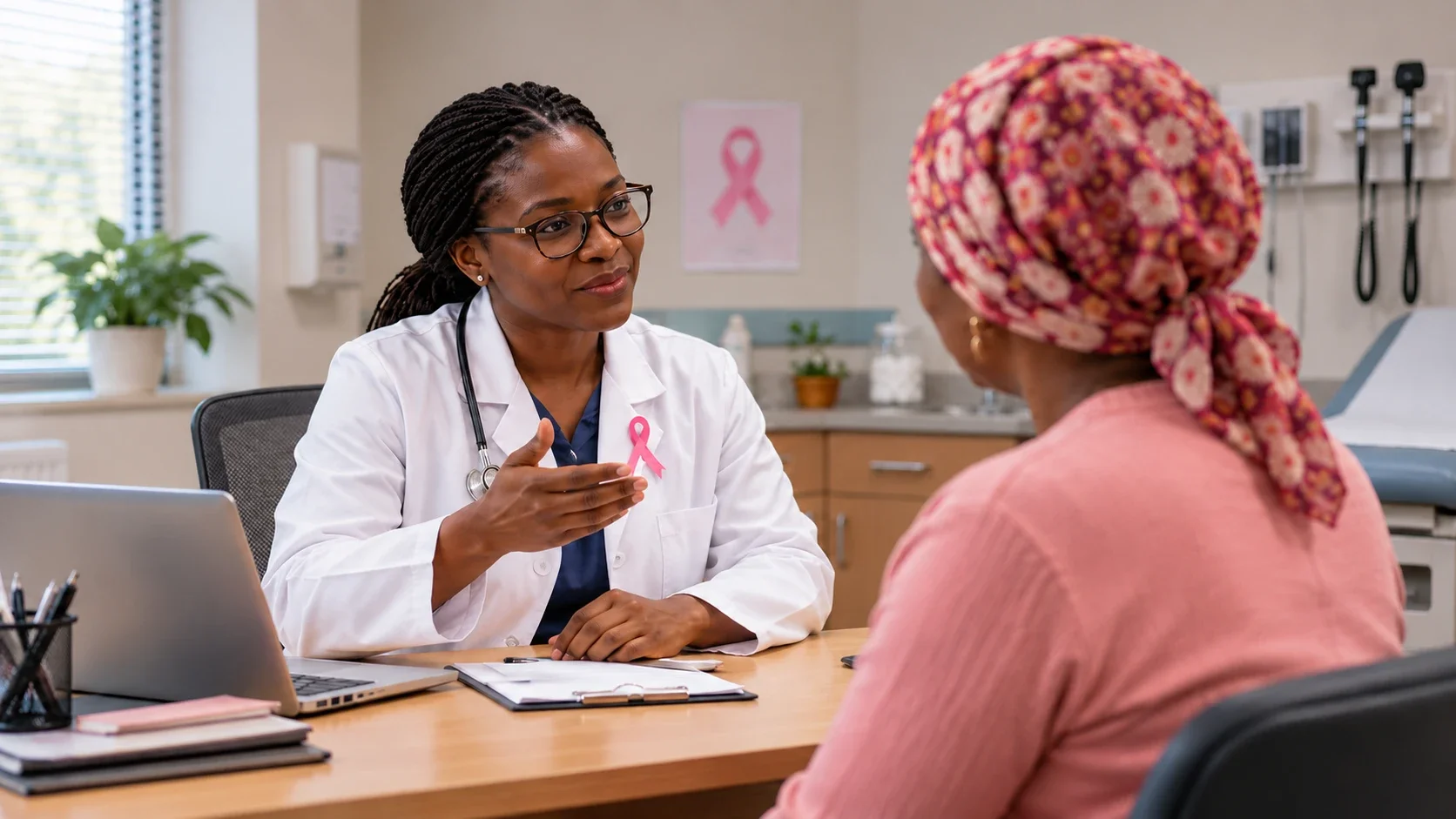
Supporting someone through treatment can demand far more than emotional availability. There are journeys to healthcare facilities, appointments, medical examinations and expenses that may not have been anticipated in the family budget. In Mozambique, these challenges can be particularly demanding for families living far from major specialist healthcare centres or relying on daily earnings. Some people miss work to accompany a loved one to an appointment, others rearrange household finances, while others simultaneously take responsibility for children, elderly relatives and the person undergoing treatment. These responsibilities can cause physical and emotional exhaustion, even when undertaken with love. That is why caring for carers must also be part of the conversation. Sharing tasks, accepting support and seeking psychological counselling, where available, are ways to prevent the entire burden from falling on one person.
Not every story is the same
It is tempting to believe that illness always brings families closer together. Some discover new ways of supporting one another. Others face conflict, communication difficulties and tensions that existed long before the diagnosis. There are also women without a close family support network who find help among friends, neighbours, colleagues or community organisations. It is important to acknowledge these realities without turning cancer into a story in which courage or triumph over adversity is always expected. A woman diagnosed with cancer does not have to be strong every day. She may feel sadness, fear or simply wish to be alone. She still has the right to make her own choices, to privacy and to an identity beyond her illness.
Love is also found in the little things
Not every expression of affection comes in extraordinary moments. Sometimes, it is found in a meal prepared without being asked. A lift to the hospital. A message sent at the end of the day, or the quiet companionship of someone sitting beside her while she waits. These are simple gestures, but they can ease the burden of a difficult day. It is also important to preserve moments when illness is not the focus of every conversation. Continuing to share stories, laugh and make plans helps maintain a sense of family identity beyond treatment. Because a woman with breast cancer remains so much more than a diagnosis. She still has interests, opinions, dreams and a desire to take part in decisions about her own life.
A Breast Cancer Awareness Month for the whole family
Every year, Breast Cancer Awareness Month invites us to reflect on breast cancer, the importance of early diagnosis and access to healthcare. But perhaps it is also an opportunity to broaden that reflection. Talking about the disease means talking about the women facing it, but also about the families learning how to support them. It means recognising the invisible work of carers, the importance of emotional support and the difficulties faced by those navigating this journey with limited resources. A diagnosis can change many lives. That does not mean they all change in the same way, nor that every hardship necessarily brings a positive lesson. It means that when illness enters a family, care may need to find new ways of expressing itself.
Ad space
800 × 514px
And perhaps one of the most important messages of this Breast Cancer Awareness Month is precisely this: caring for a woman also means caring for the relationships, the people and the life that continues around her.


