
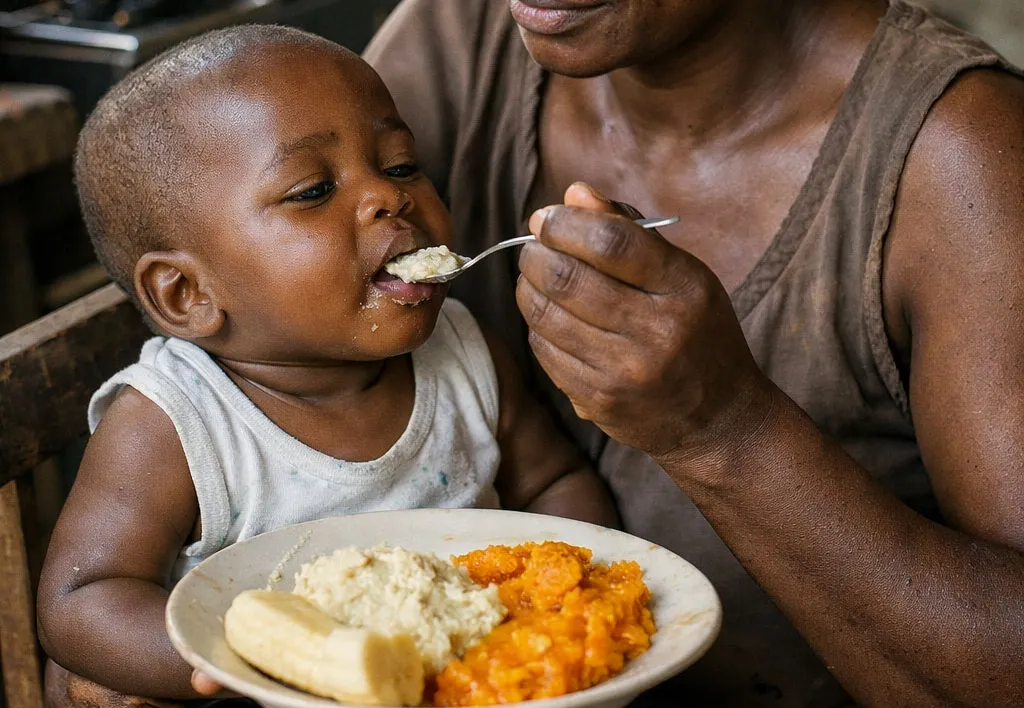
After the first six months of life, a period in which exclusive breastfeeding is essential, a new and decisive stage begins in the child's development: the introduction of solid foods. This moment marks the baby's transition to contact with other foods and flavours, but it does not mean the end of breastfeeding. On the contrary, complementary feeding should supplement breast milk, which remains an important source of nutrients until the age of two or beyond, as the World Health Organization (WHO) recommends.
Introducing solid foods is not merely a change of diet; it is a phase that influences eating habits, physical health and even the child's behaviour throughout life. When done correctly, it contributes to healthy growth, strengthens the immune system and helps prevent problems such as malnutrition and childhood obesity.
According to the WHO, complementary feeding should begin at six months of age, when the baby's body is ready to digest foods other than breast milk. Before that age, the digestive system is still immature, and introducing foods early can increase the risk of allergies, infections and bowel problems.
From six months, the child's nutritional needs increase, especially for iron, zinc and other micronutrients that are no longer fully supplied by breast milk alone. It is at this point that complementary foods come to play an essential role.
What to offer in the first months
Introducing solid foods should begin in a simple, gradual and safe way. The first foods should be natural, well cooked and mashed or in the form of a purée, respecting the child's ability to chew and swallow.
Fruit, vegetables, cereals, tubers and pulses are good initial options. In Mozambique, local foods such as cassava, sweet potato, maize, beans, pumpkin, banana and traditional cereal porridge can be used, ensuring a diet that is culturally appropriate and economically accessible.
It is important to avoid sugar, salt, honey, processed foods and industrially produced drinks. The WHO warns that early consumption of these products can compromise the child's health and create unhealthy food preferences from an early age.
During the introduction of solid foods, the texture of food should progress gradually. One starts with mashed foods and, as the child grows, moves on to chopped foods and then to small pieces. This progression is essential for the development of chewing and oral motor coordination.
Another fundamental aspect is patience. A child may reject a food several times before accepting it. This is part of the learning process. Forcing food can create aversion and future difficulties. Eating should be a moment of discovery, pleasure and family bonding.
Hygiene and food safety
In a context such as Mozambique's, hygiene in food preparation is crucial. Washing hands, utensils and food thoroughly, using safe water and avoiding inadequate storage are simple measures that prevent illnesses such as diarrhoea and gastrointestinal infections, still common in young children.
Introducing solid foods must be done with attention and care, as an inadequate diet can undo the benefits gained in the first six months of exclusive breastfeeding.
The role of family and community
Introducing solid foods is not solely the mother's responsibility. Fathers, grandparents and carers have a fundamental role in this process. Sharing correct information, together with respect for health recommendations, contributes to more informed and safer decisions.
Communities and health services should also support families, offering clear and continuous guidance, especially in areas where child malnutrition is still a significant problem.
Feeding today, protecting tomorrow
The way a child is fed in the first years of life directly influences their health in the future. Appropriate introduction of solid foods reduces the risk of disease, improves physical and cognitive development and lays solid foundations for a healthier life.
Introducing solid foods is, therefore, more than a simple step after exclusive breastfeeding. It is an act of care, responsibility and love. Taking good care of our children's diet is investing in the future of Mozambique, a stronger, healthier and more sustainable future.


