
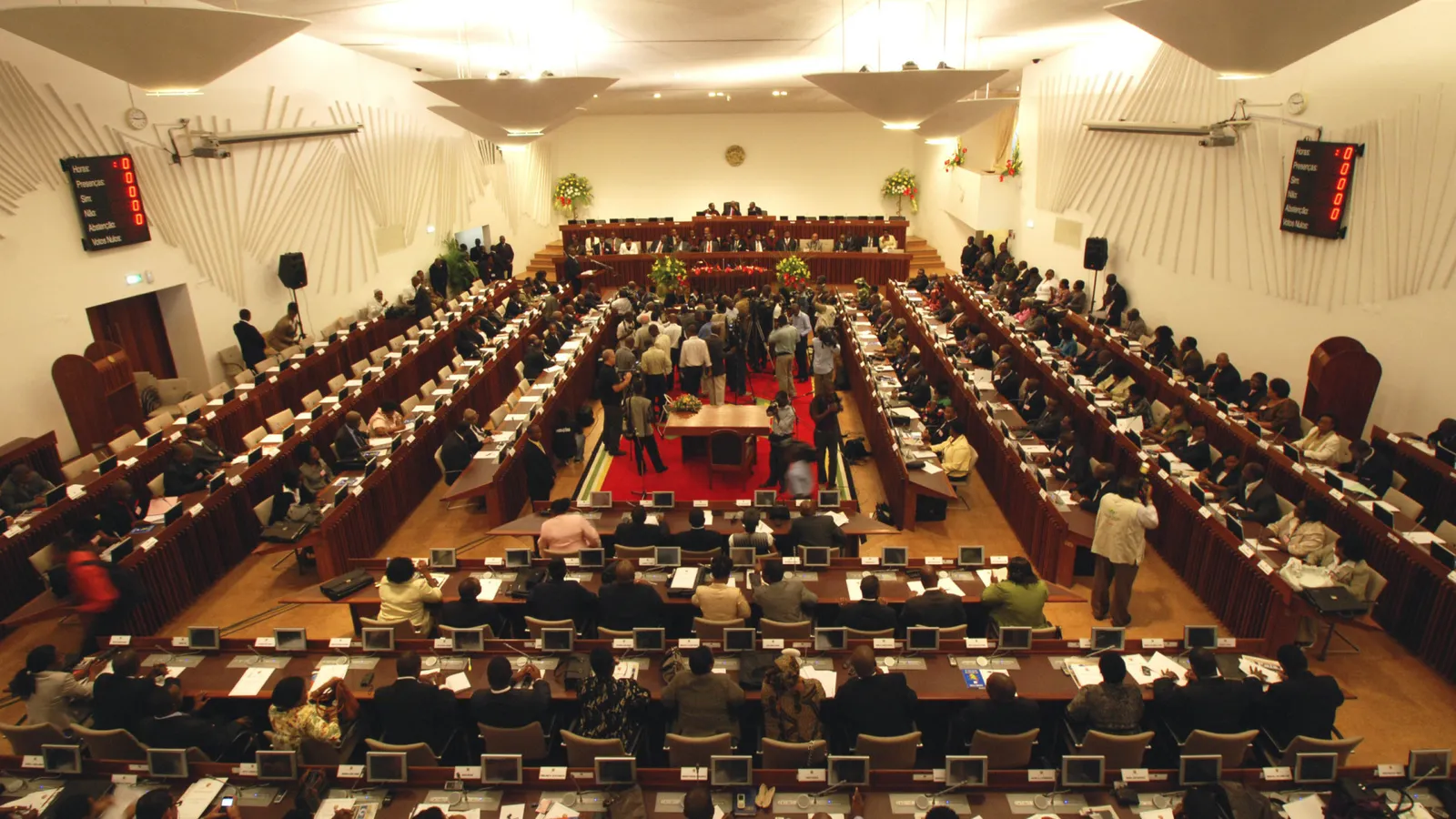
The Mozambican parliament rejected the debate on the district election laws on Tuesday, 22 February. The vote was 126 against the debate and only 87 in favour, in a plenary session attended by 223 members.
The bill in question provides for the direct election of district governors, rather than their appointment by the president of the country, as currently happens. The measure is seen as a way of democratising the process of choosing governors, giving citizens greater participation in the process.
However, the proposal was strongly criticised by members of the Mozambique Liberation Front (FRELIMO), the ruling party, who argued that the measure could lead to political divisions in local communities. They also argued that the country does not have the technical capacity to hold direct elections in all districts.
The opposition, for its part, argued that the measure is necessary to ensure greater transparency and citizen participation in the electoral process. They also criticised FRELIMO for rejecting the proposal without even discussing its details.
The rejection of the proposal was lamented by civil society groups and political organisations, which advocate greater democracy in the country. They argue that the country's current political structure concentrates too much power in the hands of the president and FRELIMO, and that direct district elections would be an important step towards changing that reality.
The parliament's decision also sparked criticism on social media, where many Mozambicans expressed their disillusionment with the outcome of the vote. Some argued that FRELIMO is more concerned with holding on to its power than with listening to the demands of the population.
The rejection of the district elections bill is yet another example of the political tension in Mozambique, which has been aggravated by the armed conflict in Cabo Delgado and the humanitarian crisis in the country. It is important that the country's different political forces work together to find solutions to these challenges and ensure greater democracy and citizen participation in the country.


