
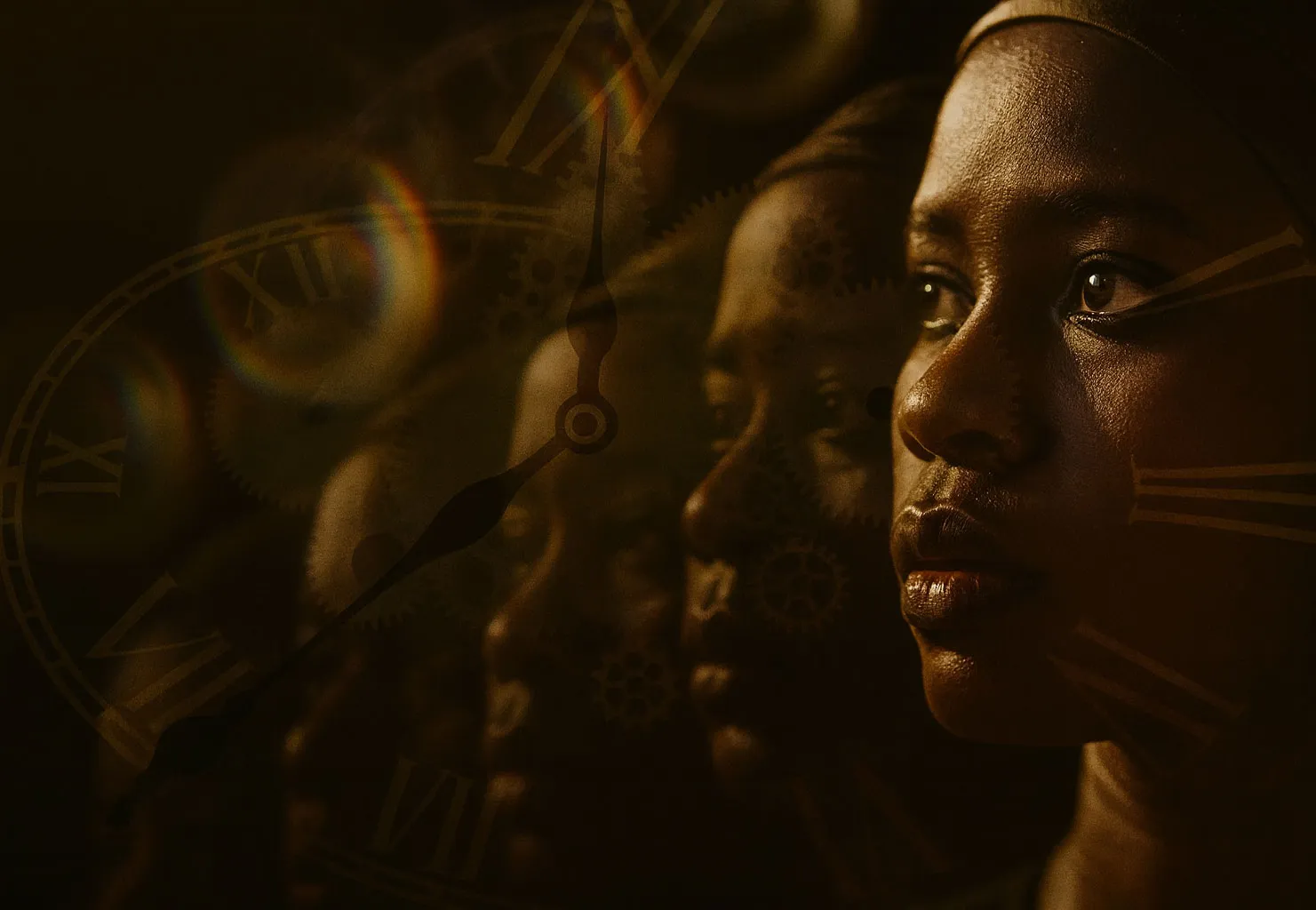
What is déjà vu?
In French, it means “already seen” — and it describes that brief, unsettling feeling that we are living through something that has already happened, even though we know it has not. It is as if the brain, for an instant, tricked us, fabricating a memory that never existed. An error, yes, but an elegant and harmless one — in most cases.
According to the psychiatrist Maria Moreno, déjà vu is neither a real memory nor a paranormal phenomenon. It is a paramnesia, the clinical term for the brain's mistakes in recognising experiences. The brain, far from being a film camera, interprets and reconstructs rather than records. It stores versions of the world, not the world itself. And in this rapid, complex process, it can stumble. That is where déjà vu is born — a momentary short circuit between perception and memory.
One illusion among many
Déjà vu is just the best known of a family of illusions. Jamais vu, for example, is the opposite: something familiar suddenly becomes strange. There is also déjà entendu (the feeling of having already heard something) and déjà pensé (an idea that seems repeated). These phenomena show how the brain, although incredibly sophisticated, is susceptible to subtle glitches that go unnoticed by almost everyone except the person experiencing them.
Why do we feel déjà vu?
It happens most between the ages of 15 and 30, when the brain is faster, more flexible and more exposed to novelty. Creative people, those who travel a lot or those who live under stress also report more episodes — especially at times of tiredness or sensory overload. The brain tries to predict faster than it can verify and, in that gap, confuses the new with the familiar.
When déjà vu stops being harmless
The line between the benign and the clinical phenomenon is clear: in ordinary déjà vu, there is strangeness, but also an awareness that it is only that. In pathological déjà vu, the sensation is intense, repetitive and disturbing, and may indicate temporal lobe epilepsy. In these cases, déjà vu is accompanied by symptoms such as nausea, sudden heat, loss of consciousness or involuntary movements. It may also be associated with dementia, brain injuries or dissociative disorders.
It is important to distinguish: in déjà vu, even pathological, the individual doubts the experience. In psychotic phenomena, such as delusions, by contrast, there is absolute certainty that what is happening is real — the mistake becomes truth. Doubt disappears and the brain builds a narrative around the illusion. The difference is critical: doubt protects. Conviction, in this context, is a symptom.
Should I be worried?
No, if the episode is rare, brief and does not cause confusion. Yes, if it is frequent, intense, comes with neurological symptoms or causes disorientation. Medical assessment is recommended when déjà vu stops being a curiosity and becomes a symptom.
A fascinating bug
Déjà vu is not a sign of madness or a window onto other dimensions. It is simply the human brain, complex and imperfect, doing what it has always done: trying to anticipate the world — and sometimes failing in that effort. It is a momentary error, a sophisticated illusion, a reminder of the fragility of our perception.
The next time you feel déjà vu, smile. Your brain, for a few brief seconds, made a mistake — but that, too, is part of its genius.


