
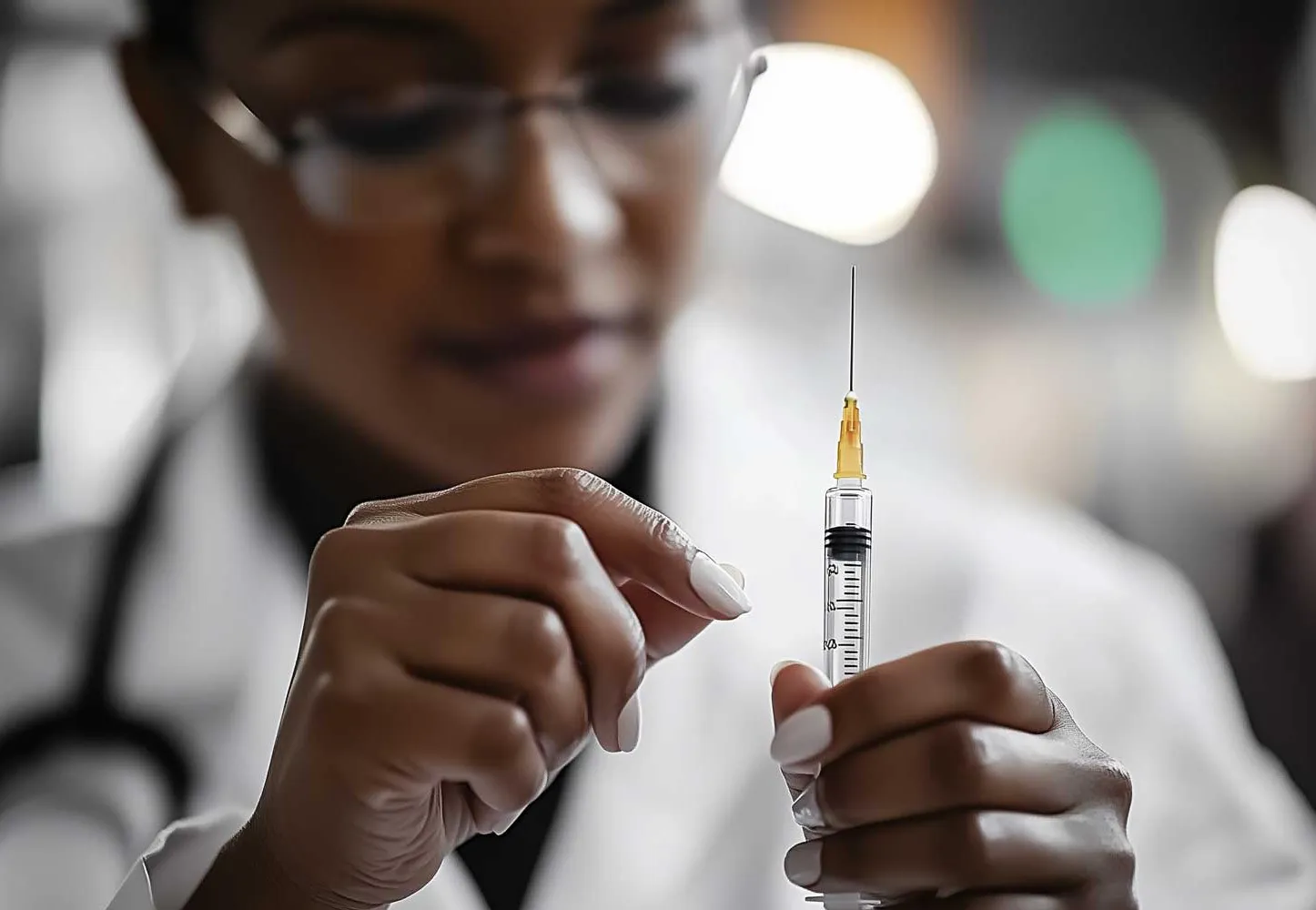
Malaria, the disease that kills the most people in Mozambique, is one of the greatest public health challenges in the country and on the African continent. Transmitted by the bite of the infected female Anopheles mosquito, this illness causes thousands of deaths every year, mainly affecting children under five and pregnant women. However, a recent action has brought renewed hope: the malaria vaccine, discovered just a few years ago, has been introduced into Mozambique's childhood vaccination schedule. Known as Mosquirix, the RTS,S vaccine is the result of more than 30 years of scientific research and rigorous clinical trials. Although it does not offer complete protection, it considerably reduces the severity of the disease and hospitalisations in young children. For a country like Mozambique, where the impact of malaria is overwhelming, this advance represents an extraordinary opportunity to save lives and improve communities' quality of life.
Malaria is caused by parasites of the genus Plasmodium, with Plasmodium falciparum being the deadliest in Africa. But why do only females transmit this parasite? The explanation lies in their feeding behaviour: while males feed exclusively on flower nectar, females need blood to produce their eggs. During this blood meal, the parasite is transmitted to the human host.
Mozambique's tropical conditions, characterised by high temperatures and high humidity, create an environment conducive to the proliferation of the Anopheles mosquito. Malaria thus becomes a constant threat to the population, especially in rural areas, where access to health services is limited. In this context, Mozambique stands out among the most affected countries in the world, and robust and effective solutions are needed to minimise the impact of the disease. Besides the human suffering caused by millions of cases a year and an alarming number of deaths in the country, the disease places enormous pressure on the health system and the national economy, so the introduction of the Mosquirix vaccine emerges as a milestone of exceptional importance.
The vaccination campaign has already begun in several provinces, with priority given to the most affected regions. The new weapon in the fight that we now have complements other preventive strategies, such as the use of insecticide-treated mosquito nets, indoor residual spraying and rapid treatment of confirmed cases. The combination of these approaches is indispensable for reducing the incidence of malaria and its devastating impact.
Despite the enthusiasm generated by the vaccine, the fight against malaria is far from won. Families' take-up of vaccination and ensuring that all eligible children receive the necessary doses are significant challenges. At the same time, it is crucial to continue raising communities' awareness of the importance of preventive measures and to ensure access to treatment.
The arrival of this vaccine renews hope for a healthier future for the next generations. Fewer children will fall ill, more lives will be saved, and families will be able to aspire to a tomorrow with less suffering and loss. This historic milestone symbolises the transformative power of science and human determination in combating one of today's greatest public health scourges.


