
A cup of coffee can be a comforting ritual, but the way it is prepared can hide serious implications for cardiovascular health. A study conducted by researchers at Uppsala University in Sweden has revealed that the method of coffee extraction determines the amount of compounds that raise the so-called “bad” cholesterol, LDL, in the blood.
The research, published in the scientific journal Nutrition, Metabolism and Cardiovascular Diseases, focused on the presence of diterpenes, natural compounds produced by various plants and found in different concentrations depending on how the coffee is prepared. Two of these compounds, cafestol and kahweol, have been strongly linked to increased LDL cholesterol levels.
According to researcher David Iggman, author of the study, “we studied 14 coffee machines and found that the levels of these substances are much higher in the coffee from these machines than from ordinary filter coffee machines”. Home coffee makers, especially those that boil the coffee, were identified as mainly responsible for the high concentration of these compounds.
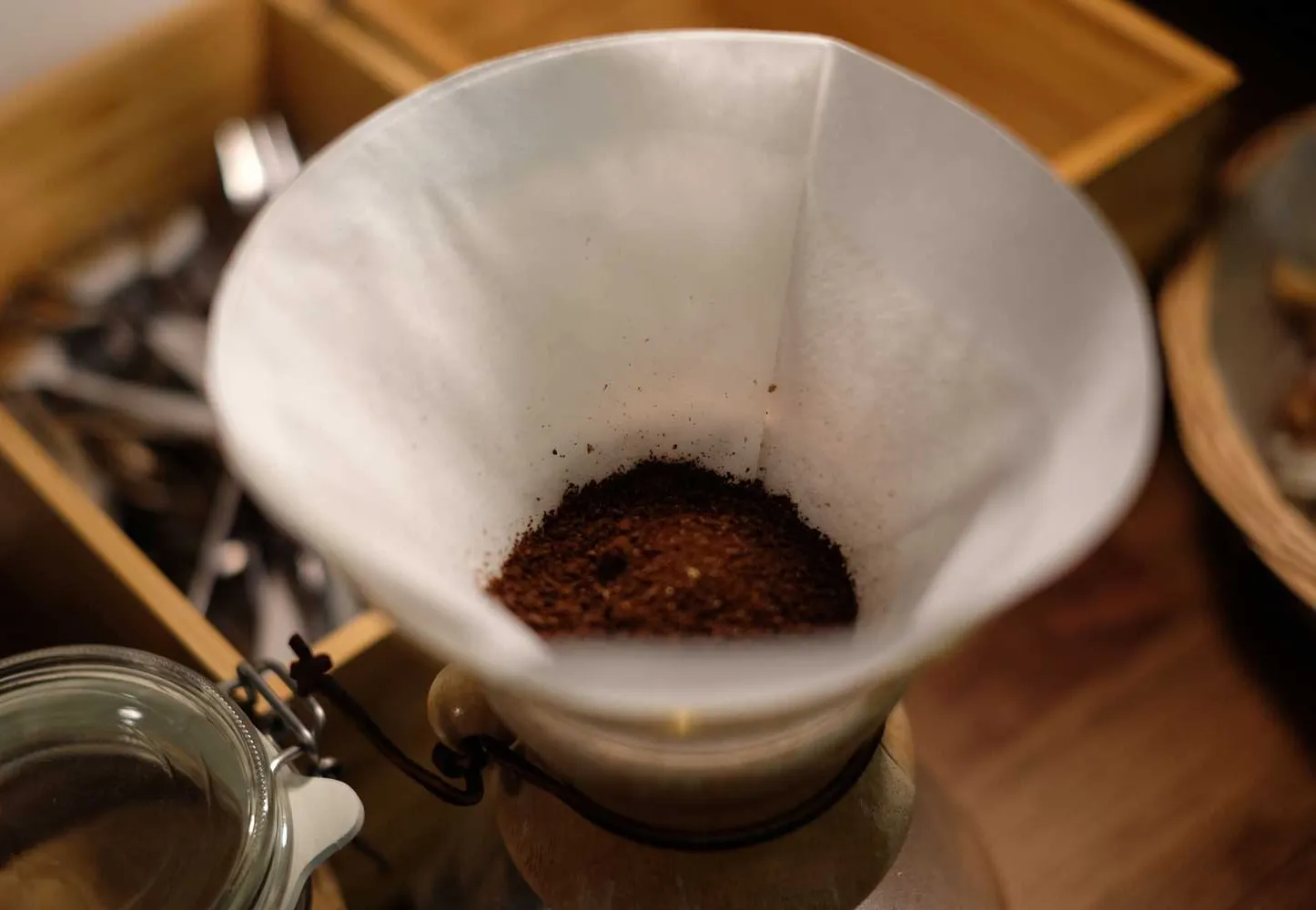
The good news is that there is a simple way to mitigate the risk: using filters. “The filtering process is crucial when it comes to the presence of these cholesterol-raising substances in coffee,” Iggman stressed. Coffee prepared by hand with a paper filter, as in the traditional drip coffee maker, proved significantly less harmful than that produced in machines, notably the larger ones common in offices or public places.
More than a laboratory finding, the Swedish team's conclusions translate into concrete long-term health impacts. The calculations indicate that a person who drinks up to three cups of coffee a day could reduce the risk of atherosclerotic cardiovascular disease by 13% over a five-year period by choosing filtered coffee instead of machine coffee. After four decades, that risk could be reduced by up to 36%.
“Most of the coffee samples contained levels that could affect the LDL cholesterol levels of the people drinking the coffee, as well as their risk of going on to develop cardiovascular disease,” Iggman concluded.
In an age when coffee is ubiquitous, this research is a reminder that even the most mundane gestures weigh in the balance of health. And that, sometimes, the difference between benefit and harm may lie in a simple paper filter.


